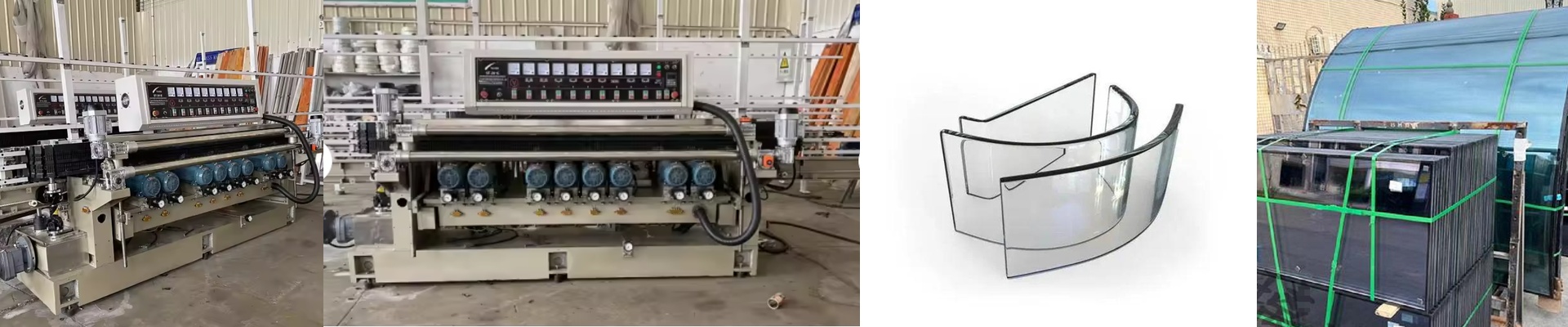
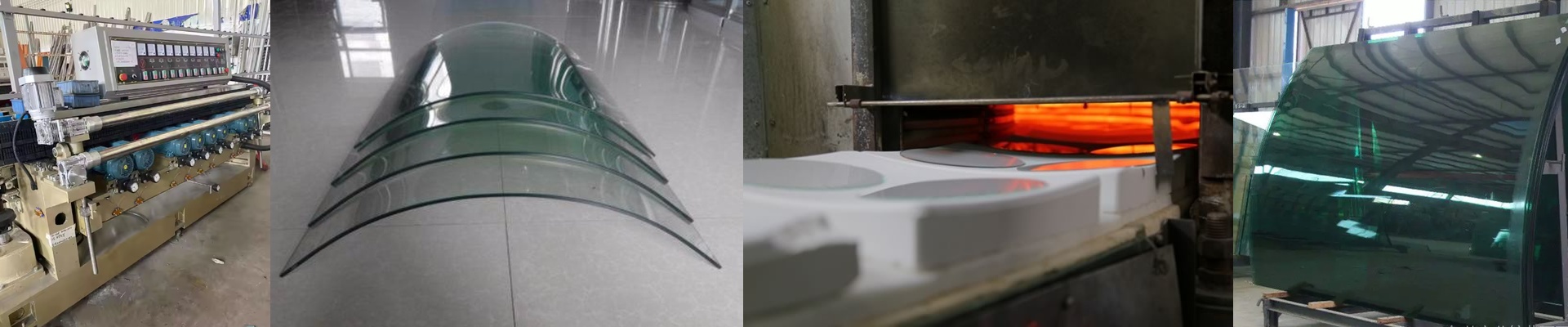
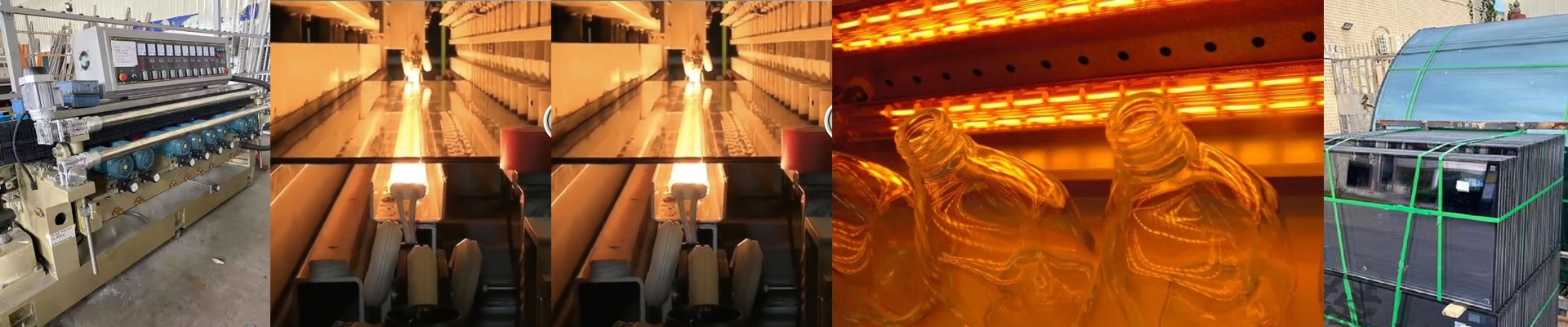
The oven door swings open and the heat hits you. The glass comes out hot, still holding its shape, waiting to set. Then the real work starts—cooling. If the cooling is off, that thermal stress rides right into the next station. You end up with warp, optical distortion, and scrap. In tempering and bending, cooling isn’t just waiting around. It’s controlled heat extraction, and the cooling fan is what makes the profile repeatable. The oven heats fast, sure, but the cooling has to be faster—and steadier—than most people expect. When the airflow is wrong, the top surface cools before the bottom, the edges cool before the center, and the bow shows up before the lehr can even smooth it out. You chase set points, tweak ramps, and the reject bin still fills up. The fix isn’t more heat. It’s the right airflow, delivered where the glass needs it, exactly when it needs it.
What matters under the hood
A cooling fan for a glass oven isn’t just a blower. It’s a thermal control component that has to live inside an industrial heating environment—high temperature, high duty cycle, and zero tolerance for drift.
- **Airflow and static pressure:**In a glass oven, the air path is constrained by ducts, baffles, and the load. You need enough static pressure to push air through the heat exchanger and across the glass without the flow collapsing under resistance. Specs don’t mean much if the fan can’t hold flow when the filter loads up or the line is packed.
- **Temperature rating:**The motor and impeller sit in ambient temps that spike during bake cycles. A fan rated for continuous high heat avoids early bearing failure and insulation breakdown. High-temperature bearings and thermally rated materials aren’t optional—they’re the baseline.
- **Controllability:**Variable frequency drives let you match airflow to the process phase. In tempering and bending, you often want high flow at the start of cooling, then a lower, steadier flow as the glass approaches annealing. Modulating beats cycling the fan on and off, because cycling creates air shock and uneven extraction.
- **Mounting and sealing:**The fan mounts into the oven wall or duct. Gaskets and flanges have to hold, and the seal has to survive heat and vibration. Leakage wastes flow and creates hot spots.
- **Electrical fit:**Voltage, phase, and connector type have to match the machine’s panel and wiring. Industrial glass lines don’t have time for mismatched terminations and field wiring hacks. We build these fans around the oven, not around a catalog. Pick the impeller for pressure, the motor for heat endurance, and the control interface for repeatability. The point is consistent extraction, hour after hour.
Why this matters on the line
Glass processing is a chain of thermal events. Heating gets the glass to forming or tempering temperature. Cooling locks in the shape and the stress profile. If the cooling fan underperforms, the whole sequence pays for it. In tempering, the quench is where you set compressive stress. Airflow has to hit the glass evenly across the whole surface. Uneven flow leaves bands—soft zones that fail pressure tests and optical zones that glare under inspection. A properly matched cooling fan gives you a uniform quench, which translates into consistent fragmentation and fewer edge cracks. In bending, the oven heats the glass until it sags into the mold. After forming, the glass has to cool without snapping back or warping. Controlled airflow holds the shape while the temperature drops through the critical range. The fan keeps the cooling rate repeatable, so the bend stays within tolerance. On lamination lines, the oven dries the interlayer and drives out trapped air. After heat, the stack has to cool in a controlled way so the adhesive sets without bubbles and without differential shrinkage. A modulating cooling fan prevents surface skinning that traps moisture and causes haze. In insulating glass manufacturing, the primary seal sets edge integrity. After heating the sealant, the unit needs controlled cooling so the secondary seal can be applied without stressing the primary bond. The fan keeps the frame temperature stable, and that matters more than a lot of people think. Energy use is real on these lines. A fan that delivers the right flow at the right time reduces the need to overheat just to compensate for poor cooling. That means lower peak draw and steadier oven zones. Fewer temperature swings also reduce thermal expansion cycles on components, which extends service life on heaters, sensors, and seals.
What you need to keep straight
Cooling fans are straightforward to specify, but they come with real-world constraints you have to plan for.
- **Match the airflow to the oven ducting.**If the duct is undersized or the path is a maze, the fan hits its limit and flow drops. We size the fan for system pressure, not free air.
- **Keep the air clean.**Dust from cutting, edgework, and sealant makes its way into the duct and coats the impeller. A dirty impeller unbalances, and an unbalanced impeller kills bearings. Use filters where you can, and schedule blowdowns.
- **Heat ages components.**Even with high-temperature ratings, continuous heat hardens seals and degrades lubricants. Bearings are the weak point. Plan maintenance around bearing life, not failures.
- **Control tuning matters.**If you’re using a VFD, tune the ramp so the fan doesn’t slam on and off. Aggressive cycling creates transient airflow that shows up as optical distortion. Set the ramp to match the glass cooling curve.
- **Mounting alignment counts.**A misaligned flange loads the shaft and wears the seal. Misalignment also transmits vibration into the oven structure, which can shake sensors and throw off zone control. Take the time to align it right. If your oven runs hot in the summer, if your scrap shows repeatable patterns tied to cooling, if your line speed is held back by long cool-downs, the cooling fan is a practical place to fix the process. We’re not just selling you a fan—we’re selling you a thermal profile you can hold. Call it a cooling fan, a quench blower, an extraction unit—it’s the component that turns heat into control. Put it in, tune it once, and run the line the way it was designed. The oven will still be hot when the door opens. The glass will come out flat, consistent, and ready for the next station.