Getting Your Infrared Heater Voltage Right (Without the Headache)
If you’re setting up a batch furnace for a project overseas, the power supply is usually the first thing that’ll give you a headache. Think about it: if you take a heating element built for a 110V US circuit and plug it into a 480V or 575V industrial line, it’s gone. Poof. Burnt out instantly. That’s why we build our infrared lamps to match the specific grids you’re actually using. No one wants to waste precious floor space on those clunky step-down transformers that just eat up energy and get in the way.
It’s all in the wiring
Voltage isn’t just some number on a spec sheet. It actually changes how we build the lamp. To get the right amount of heat at 575V, we use a different tungsten alloy and a different coil density than we would for a 110V version. The beauty of higher voltage is that you can use lower current to get the same heat. And here’s the win for you: you can run thinner wiring across your furnace frame. You won’t have to worry about those annoying voltage drops that leave your parts under-cured and your quality control team grumpy.
The trade-off: Heat vs. Hardware
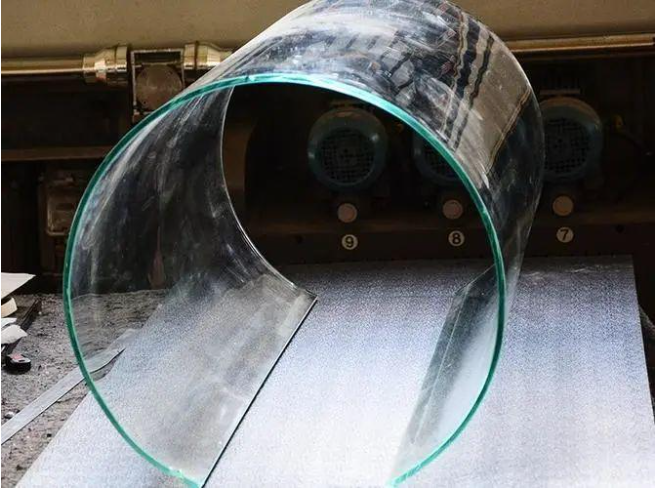
Now, we can definitely crank up the wattage to make your cycle times faster. But there’s a catch. Pushing that much high-density heat puts a lot of stress on the quartz envelope. If you go for a high-voltage, high-wattage setup to save space, you’ve got to make sure your cooling fans are actually up to the task. If the ends of the lamp get too hot, the seal fails. Period.
No need to rebuild your furnace
The best part? We keep these custom voltages in standard footprints. Whether you need a specific length or a weird connector, we build the lamp to fit the sockets you already have. You get the exact voltage your local grid requires, and you don’t have to spend a weekend re-engineering your furnace chassis. It’s a simple swap. Plug it in, turn it on, and get back to work.