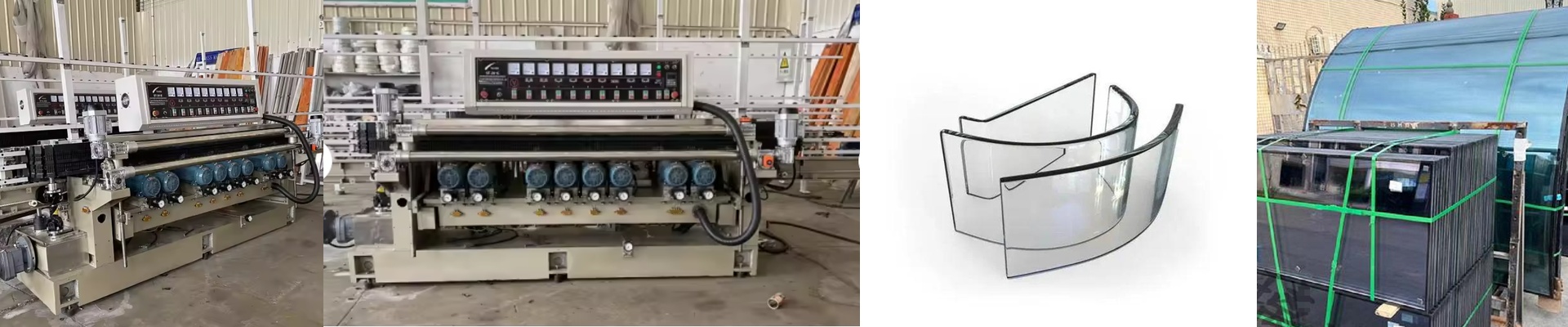
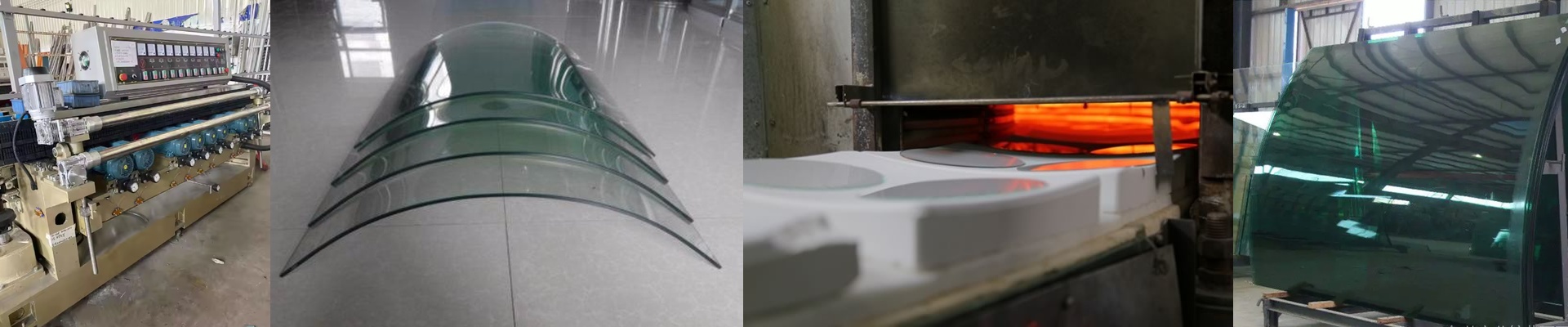
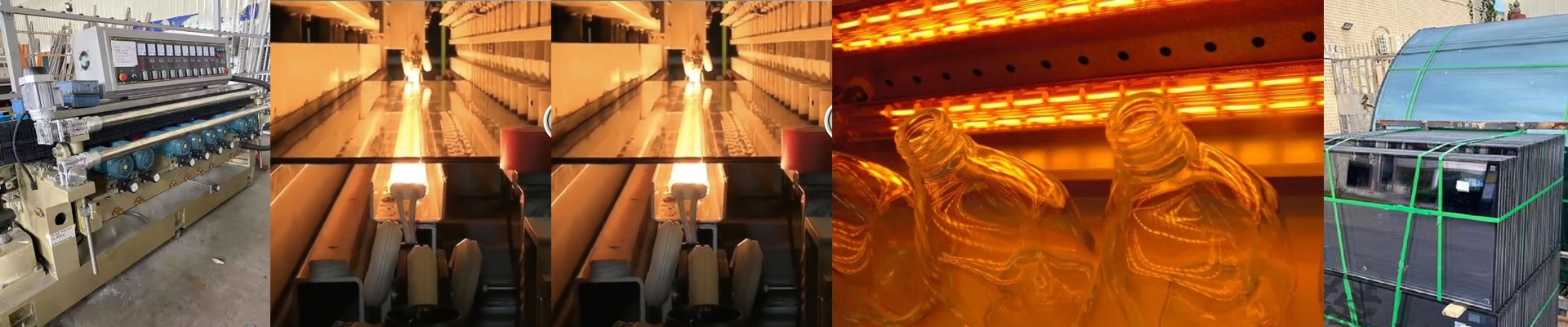
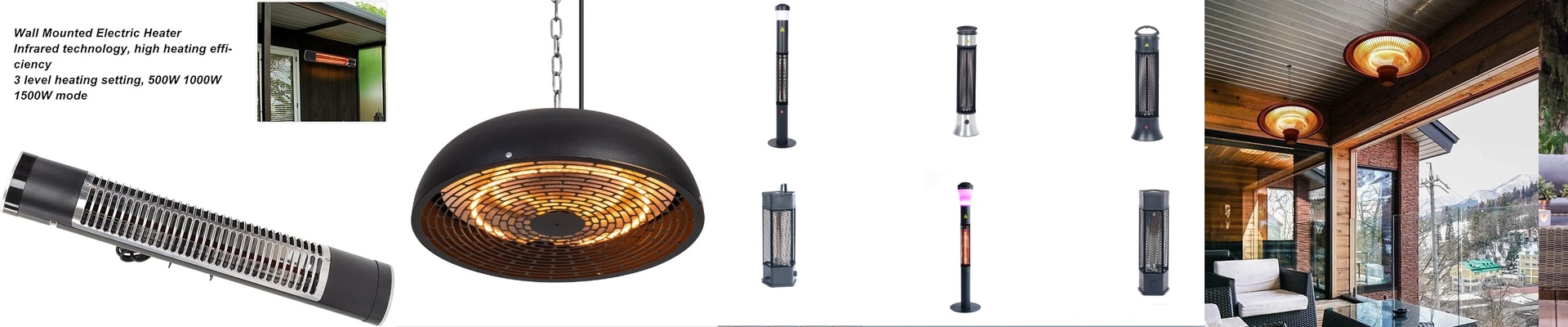
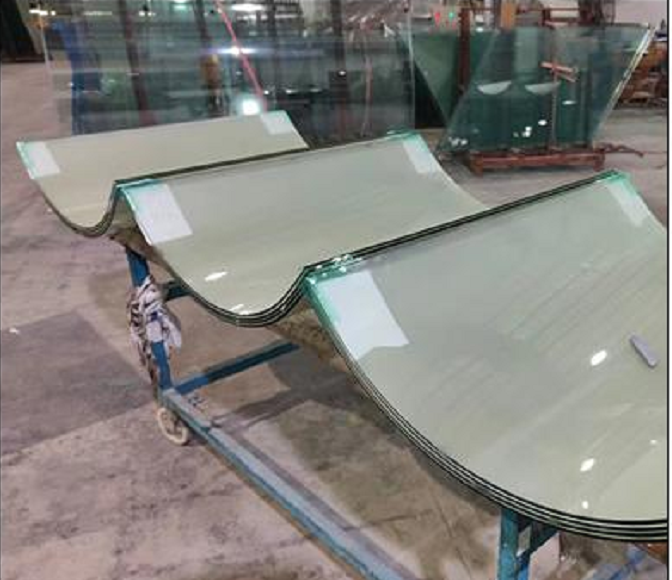
On the line, glass doesn’t wait. A feeder heating lamp that drifts off-target or lags while chasing temperature will eat minutes, scrap, and margin. We built our feeder heating lamp to move with actual processing—tempering, bending, coating drying, lamination curing, and insulating glass sealing—so heat lands exactly where it’s needed, exactly when it’s needed. The core is NIR (near-infrared) quartz, chosen for fast response and tight directionality. It delivers concentrated energy that penetrates the surface and ramps temperature quickly, without dumping extra heat into surrounding fixtures. Output is configurable to match line speed and glass thickness, and the lamp body is designed to squeeze into feeder lanes without crowding conveyors or sensors. Focused heat keeps the thermal window tight, which cuts down on thermal stress and the hairline fractures that show up later as rejects. This lamp follows the process intent across the shop. For tempering and bending, it preheats edges and critical zones to even out the thermal profile before the furnace or press, helping control bow and warp. In coating drying, it speeds solvent removal without scorching the film, so cure comes out more consistent. During EVA/SGP/PVB lamination, it supports controlled pre-heat and cooling ramps that matter for optical clarity and bond strength. For insulating glass, it keeps the primary seal steady, reducing variability in the secondary seal. The payoff is fewer line stoppages, cycle times you can count on, and less scrap from thermal shock. Installation is straightforward, but alignment is fussy. The lamp has to be positioned to hit the intended zone at the right incidence angle; otherwise you get stripes and uneven heating. Verify mounting clearances and reflector orientation against your feeder geometry. Keep the lamp clean, and keep an eye on emissivity changes on the glass—dark coatings absorb differently, so set power and dwell accordingly. Run it within the rated voltage window, and you get repeatable heating that keeps pace with production, not the other way around.