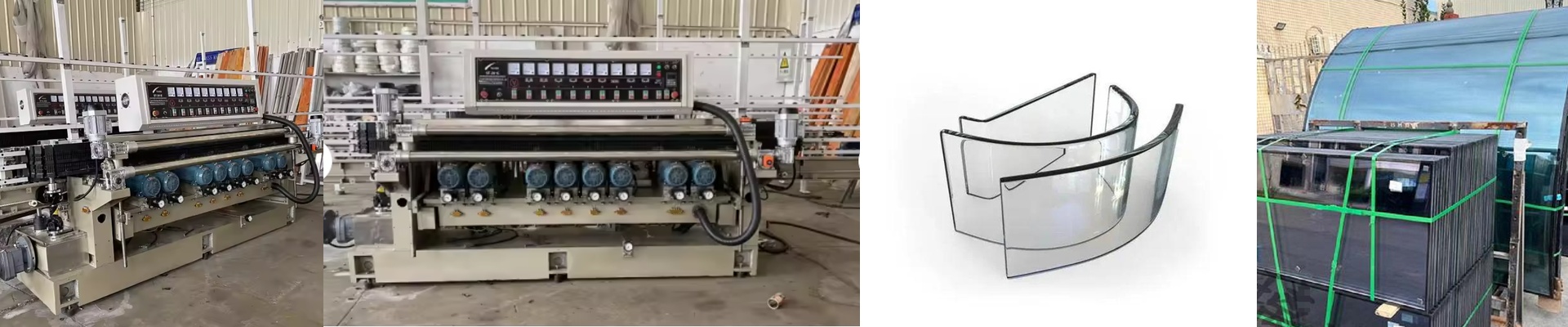
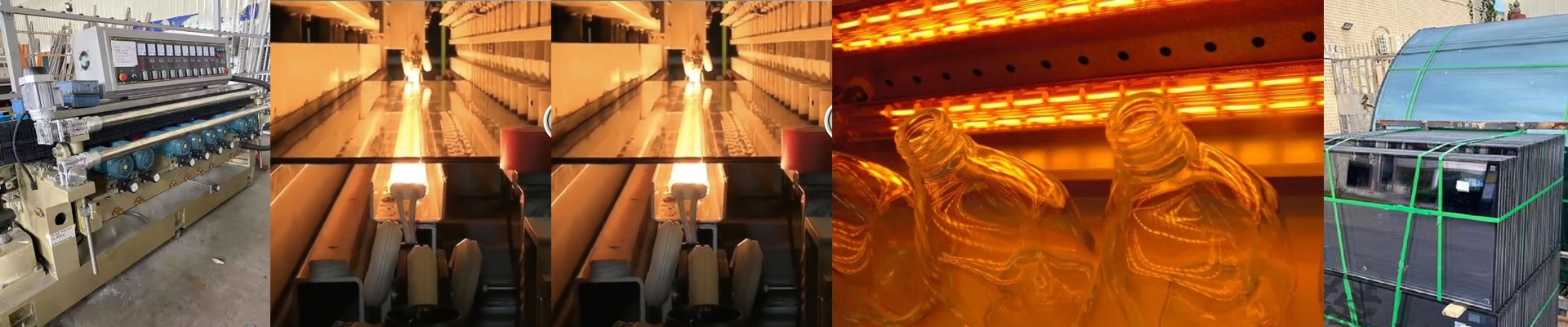
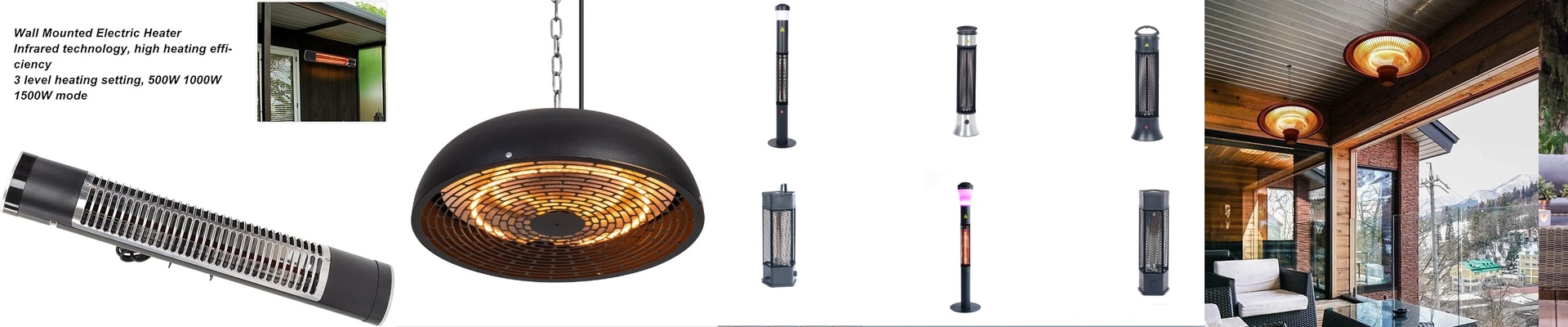
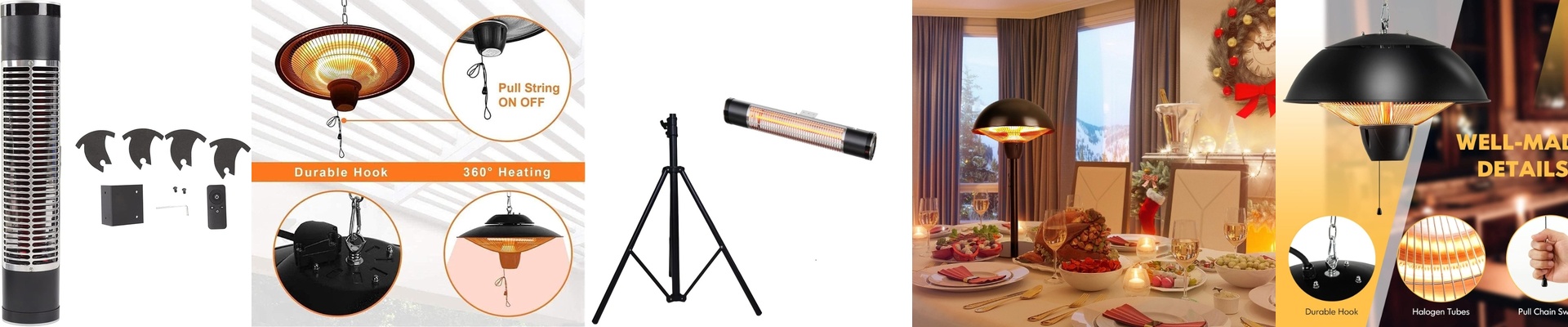
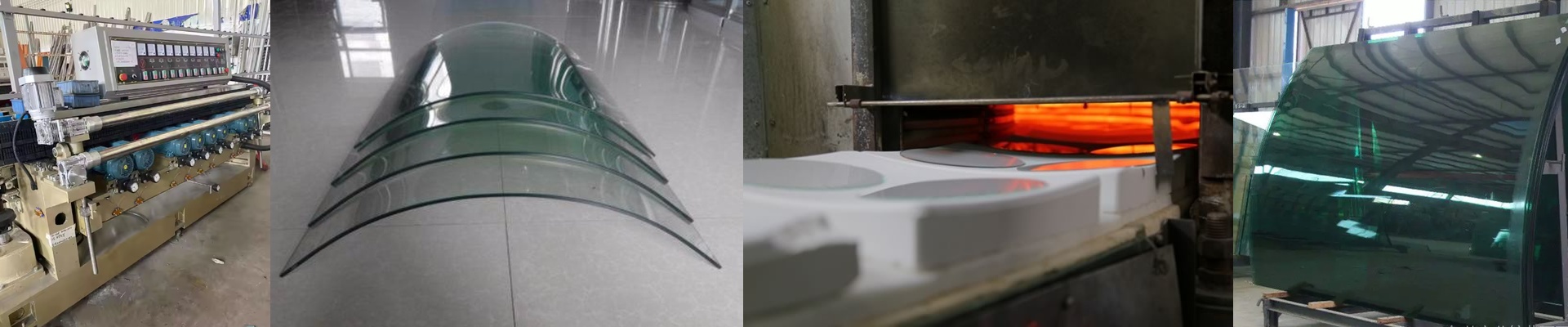
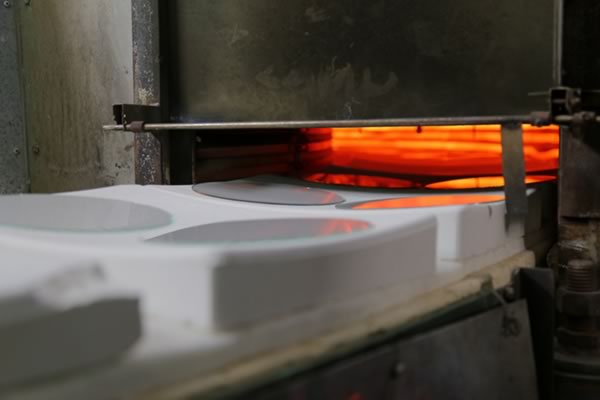
On the line, a fusing furnace can’t live with uneven heat. One cold spot, one spike, and you’re cracking glass, burning material, and stopping the whole cell. The small glass fusing heater was built to break that cycle. It gives you repeatable heat where space is tight and the clock is always running. What matters under the hood: we run short-wave quartz infrared emitters to drive energy straight into the glass. The heater body is industrial-grade, with a footprint that fits retrofits and small-format fusing furnaces. Output is tuned for glass—fast ramp-up, tight control—so the thermal field stays even across the load. You get stable profiles, shift after shift. Here’s why it holds up on the floor. You cut cycle time without cutting corners. Rapid heat-up shrinks the dwell window, so you get more batches per shift. Uniform temperature lowers thermal stress, so you see fewer rejects from warp, bubbles, or uneven fusing. Energy stays in line because the emitter hits the glass directly, not the air around it. And when you’re running mixed thicknesses and low-emissivity coatings, the control response keeps the process window consistent. A few practical notes. The unit is compact and easy to integrate, but it has to be matched to the load and the control system. Verify voltage, amperage, and connector compatibility before you install. Clearance to the work surface matters—for uniformity and for safety. You get peak performance when the emitter, reflector, and controller are aligned as one system. And if your line is changing recipes often, make sure the controller can store and recall the profiles you need.