Introduction
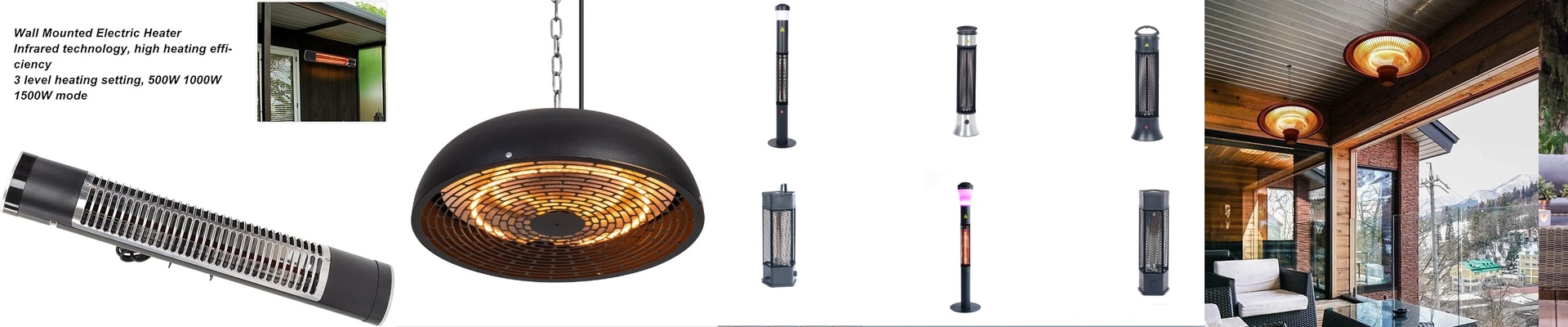
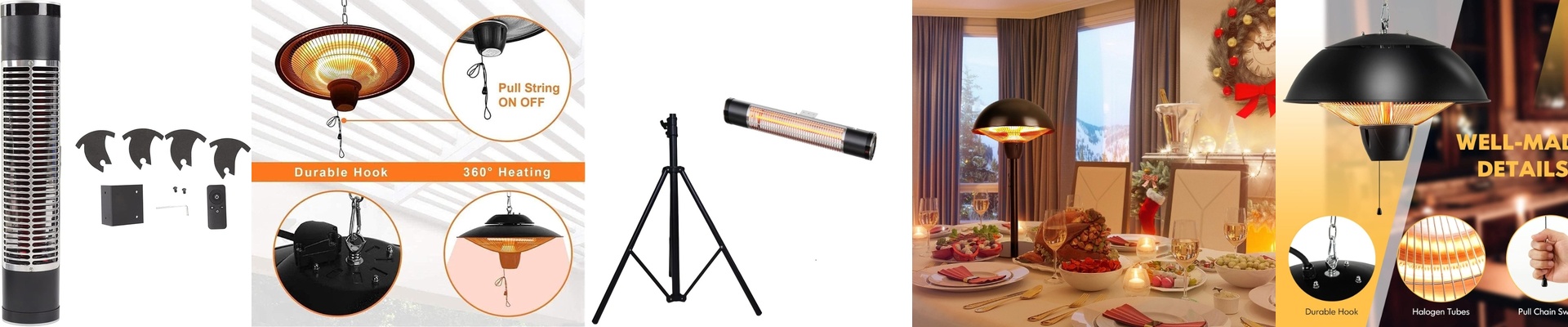
Picture this: you’re in a gallery or a museum. The air is cool, but you’re warm. And more importantly, the priceless art around you is safe. That’s the whole idea behind our wall-mounted infrared heaters. They were built for places where you can’t mess around with comfort—where protecting delicate pieces is the absolute priority. We use targeted shortwave infrared that warms people and surfaces directly, without heating the air. No moisture. No drafts. Just pure, gentle heat that keeps fragile artifacts out of harm’s way.
Technical Deep-Dive
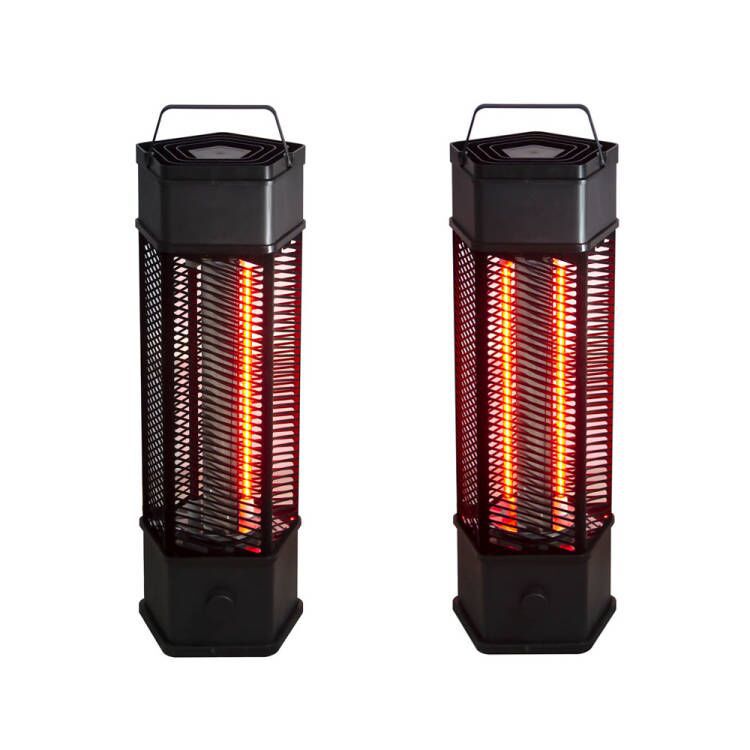
Inside each unit, you’ll find a high-output halogen lamp core. It runs at 2500W, and we can match it to either a 230V or 400V supply, depending on what the building has. The design is intentionally compact—think of a 300mm tube. This keeps the footprint small, so you can mount the heater close to the wall without eating up valuable gallery space. It’s perfect when you’re retrofitting a finished room and working with tight clearances. Here’s the science in plain terms. Shortwave infrared works like sunlight. It transfers energy directly to objects and people, not the air in between. That means you can keep the room temperature lower and still feel cozy. It also lightens the load on the HVAC system and prevents the temperature swings that can stress canvases and wood frames.
Material & Design
We built the lamp around a quartz tube with a specialized halogen element. The front has a reflector coating that focuses the heat where you want it, so the wall behind the unit doesn’t get unnecessarily hot. The connector? We use the R7s standard. It handles the high current, locks in solid, and makes lamp replacement a simple drop-in when maintenance is needed. And the light itself stays stable. You get consistent color temperature and intensity for thousands of hours, so the lighting environment around the artwork never surprises you.
Application & Benefits
In real life, these heaters give you spot heating that warms visitors without blasting the air around them. For conservators, the dry, zero-contact heat is a huge win. It lowers the risk of moisture damage and stops the dust churn that forced-air systems create. Installation is clean and straightforward. Hardwire the unit, set the angle, and you’re good. Now, there is one thing to keep in mind. The heat is intense and directional. You have to plan for line-of-sight coverage and set the mounting height and angle so no single spot gets too much. But when you get it right, the payoff is clear: precise, controllable warmth that protects the collection and keeps everyone comfortable.