Introduction
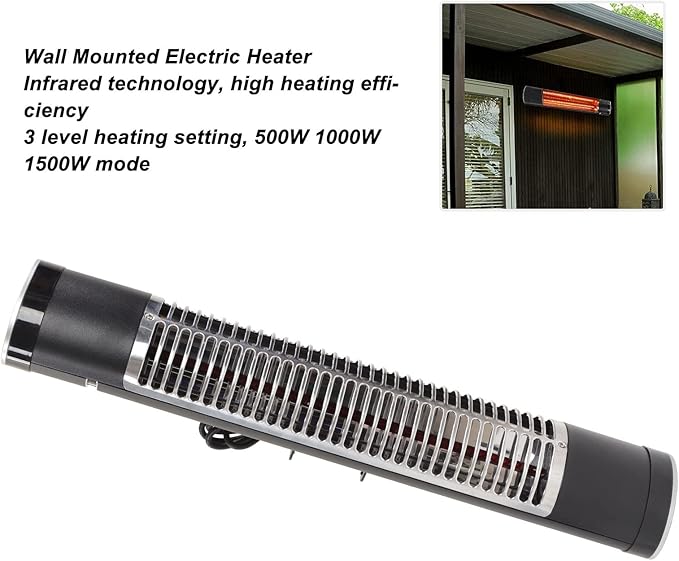
We built this touch screen heater to be a compact, infrared powerhouse. It’s all about getting you heat—fast—where you need it, when you need it. Think of it as instant, pinpoint warmth for the jobs where waiting around just isn’t an option. It combines a high-output infrared emitter with a control interface that puts you right in the driver’s seat. You get to call the shots on the temperature, without the frustrating lag you get from those old convection systems.
Let’s Talk Tech
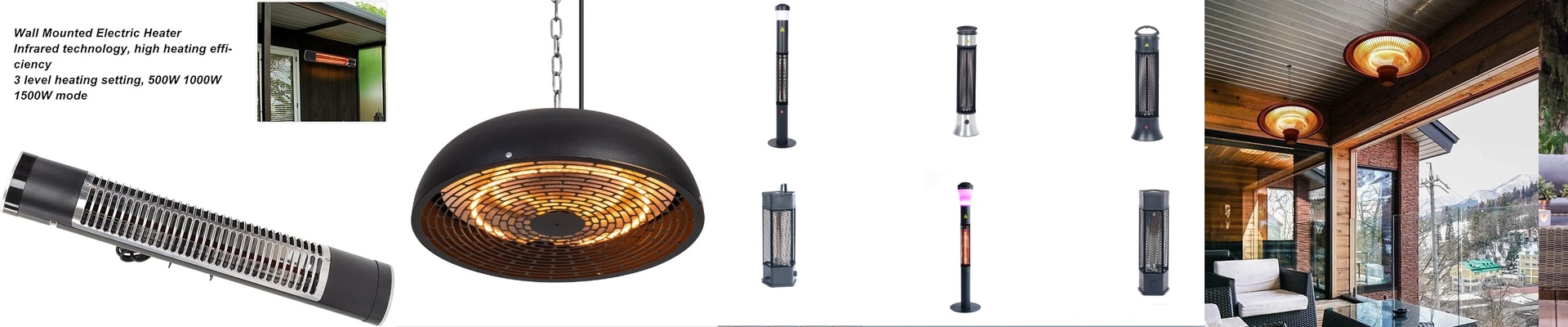
At the heart of this thing is the infrared lamp. It’s engineered to turn electricity into radiant heat with almost no warm-up time. And it runs on a standard voltage, so you can plug it right into your existing setup without a full electrical overhaul. The tube is sized to fit into tight spots—like control panels, small enclosures, or a compact workstation. So you’re getting serious heat density in a small footprint. This is all about getting that cold machine or chilly work cell up and running in minutes, not hours.
The Inside Story
We chose a quartz envelope for the lamp. Why? Because quartz handles sudden temperature changes like a champ and keeps the heat output steady, even when you’re turning it on and off all day. Inside, a halogen fill keeps the filament performing consistently, so the lamp holds its wattage over the long haul. And the installation? Simple. The R7s connector is a common, reliable base that clicks in place and carries the current without getting hot. It’s a straightforward design that makes on-the-floor repairs a breeze.
Where It Shines (And What To Watch For)
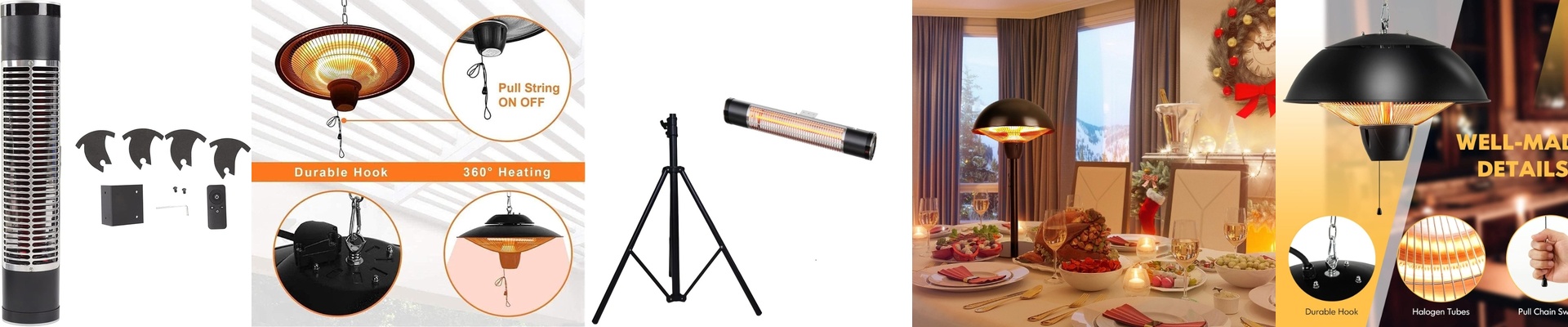
This heater is your go-to for instant, targeted warmth. Perfect for control panels that fog up on a cold morning, machinery that struggles to start in the winter, or a workstation that needs to be comfortable the second someone steps up to it. The touch-screen control gives you direct setpoint input and clear status feedback, so there’s no guesswork. But here’s the reality check: that fast response and intense heat means you need to plan for cooling and ventilation. Make sure you’ve got your airflow and thermal management sorted from the start, or the components nearby will get hotter than you’d want.