
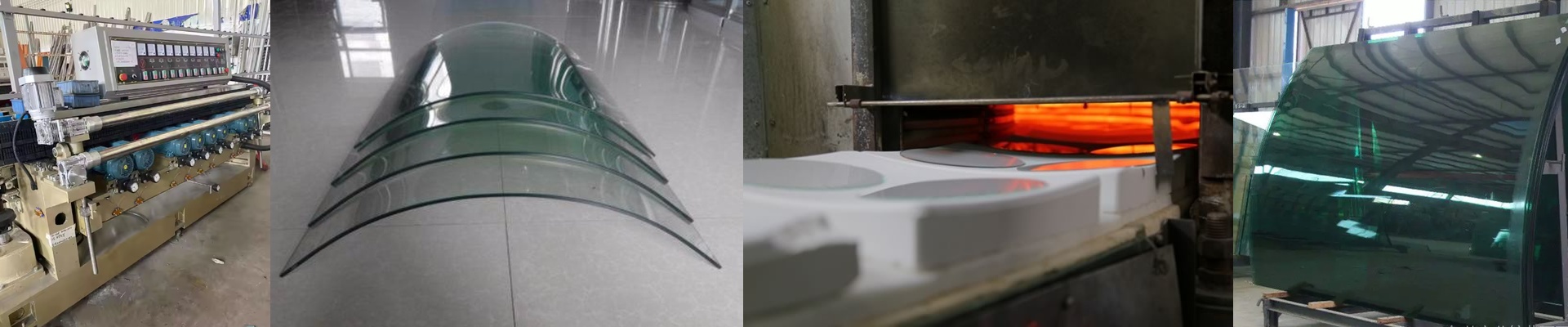
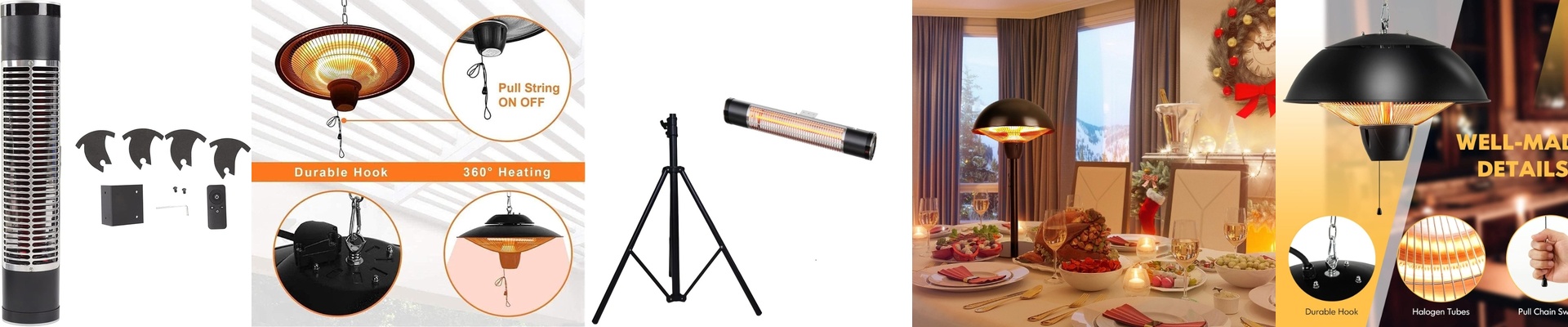
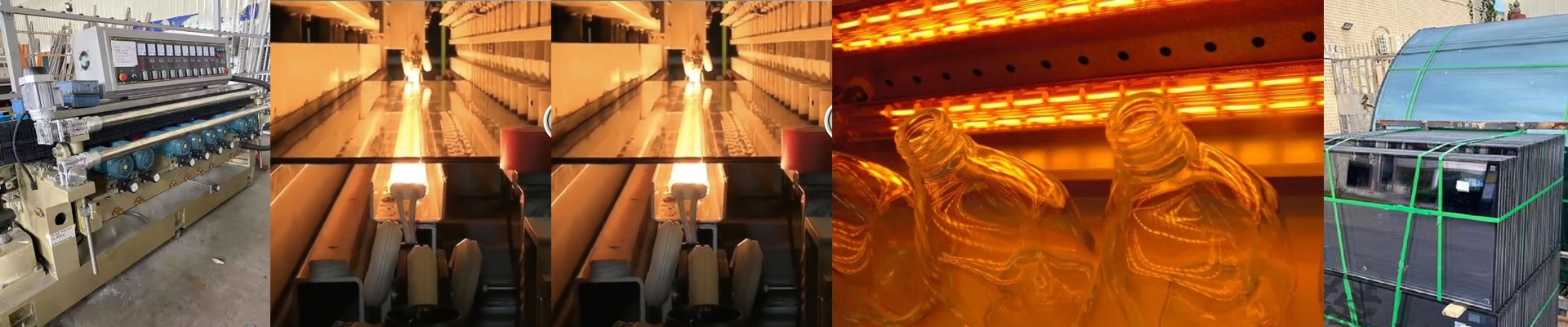
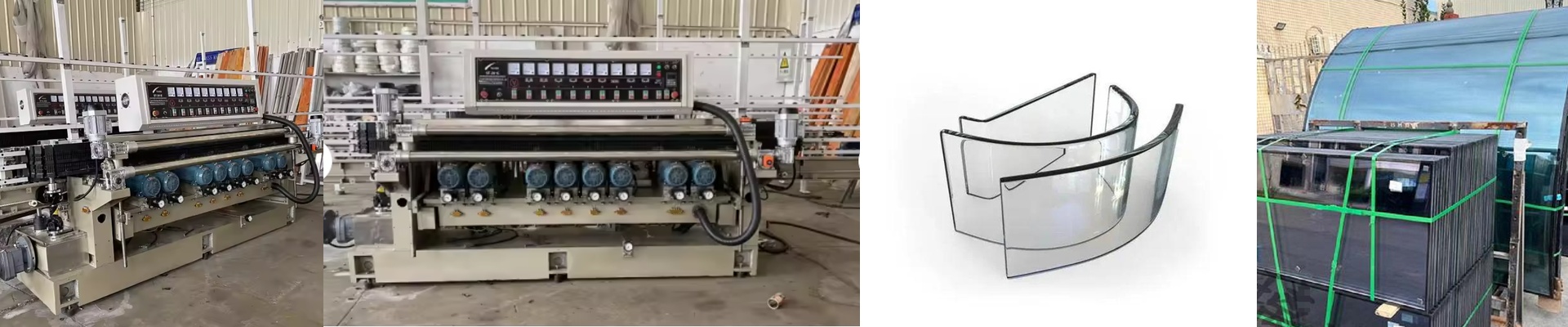
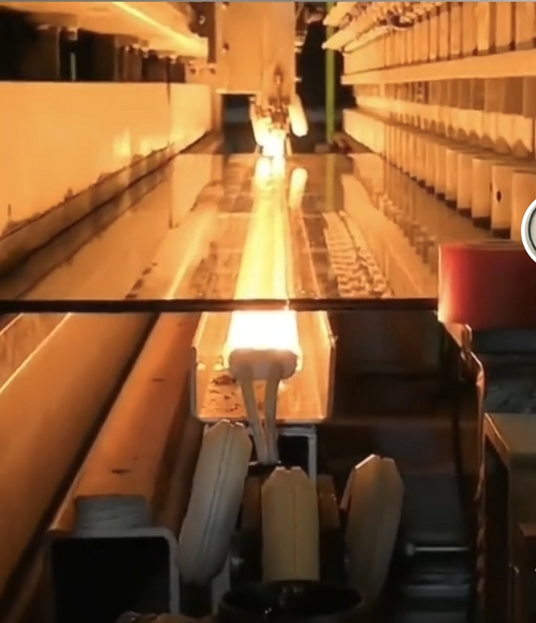
On the glass line, heat isn’t just a number on a chart—it’s control. When the oven misses, you feel it immediately: optical distortion after bending, thermal stress cracks in tempering, weak edges in lamination, and coating lines that stall because the film won’t dry. We built our quartz infrared lamp for glass ovens to put repeatable heat exactly where the process needs it, exactly when it needs it. What matters, technically Quartz infrared lamps give you fast response and high power density, and we pick the wavelength to match how glass and coated surfaces actually absorb energy. In practice, that means you can ramp quickly and hold a tight soak profile, cutting cycle time without chasing the setpoint. We size watt density and lamp geometry to match your oven zones so the thermal field stays even across the glass surface. Uneven heating is what bites you—stress gradients that show up as breakage or warp. The lamps are built for industrial runtime: stable output over long shifts, and a quartz envelope that survives repeated thermal cycling. Why it holds up in real processes In bending, uniform heat keeps the sheet consistent, so sag is repeatable and you get less scrap from edge roll. In tempering, the rapid, controllable heat lets you hit a sharp quench without overheating, which improves compressive strength and yield. For coating drying, infrared goes right after the film, so dwell time drops and adhesion improves. In lamination, it supports a controlled, even cure—fewer bubbles, fewer weak bonds. In insulating glass sealing, the heat helps the secondary sealant flow and cure predictably, which tightens edge seal integrity. The payoff shows up as higher throughput, fewer reworks, and lower energy use per square meter. Here are the practical details you’ll want to plan for Infrared heating is line-of-sight, so lamp placement and reflector geometry have to match your glass geometry and oven layout. We deliver zone-matched layouts, but airflow and thermal mass in the oven will still shift the profile—expect a short commissioning run to dial in the setpoints. Treat the quartz envelope as a consumable: keep it clean, don’t touch it with oily hands, and set replacement intervals based on your runtime. Match voltage and connectors to your OEM socket, and confirm clearances before you refit.