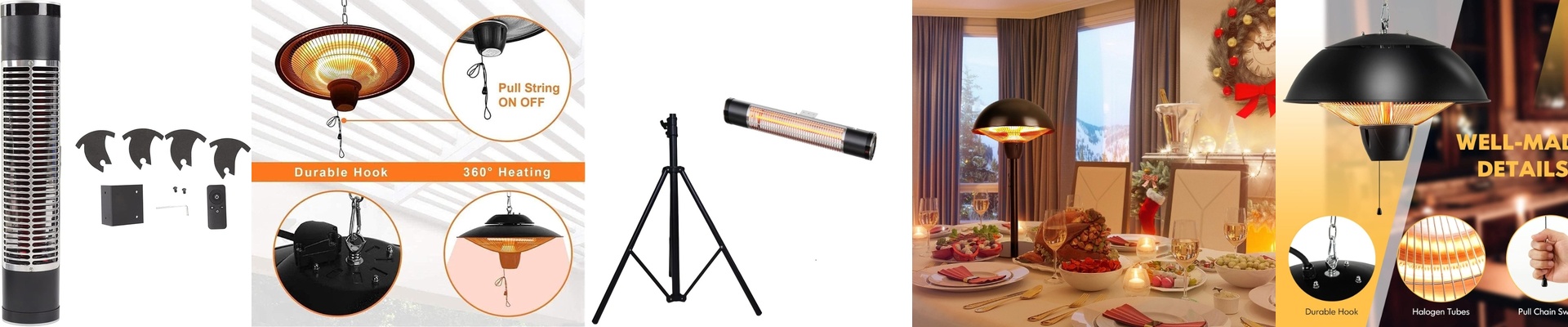
Ever been parked under a patio heater that blasts the sky while your toes stay frozen? Big open rooms and outdoor spaces make conventional heating feel like trying to fill a sieve. Heat rises, drafts rip it away, and you end up playing tag with warmth instead of just settling into it.
What actually matters under the hood
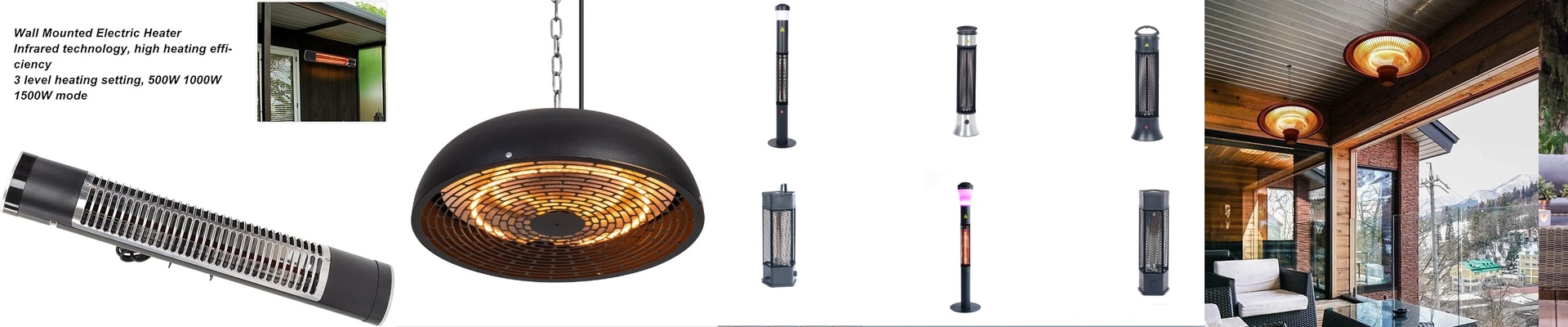
Infrared heaters throw warmth the same way the sun does—straight to people and objects, not the air in between. Inside, a quartz tube or a carbon fiber element comes up to temperature fast, then projects short- or medium-wave infrared energy in a tight pattern. This is directional radiant heat: it travels in a line to where you are, not everywhere at once. You feel it within seconds, not minutes, because the energy doesn’t have to heat the whole room first. Most units run 1,500 to 5,000 watts, with 120V plug-in convenience or 240V hardwired muscle for heavier-duty jobs. Throw a thermostat in the mix and you control comfort precisely, instead of just cooking the space.
Why this shines in open spaces
In open living rooms, covered porches, and three-season areas, the air never sits still. Warm air gets whisked away before it ever reaches you, and heating the whole volume is money down the drain. Infrared targets the people in the room, so you get warmth where you need it, when you need it. The payoff is immediate comfort, lower running costs, and fewer cold pockets. And you sidestep the noise and drafts of forced-air systems, which makes quiet evenings actually quiet.
The practical details you can bank on
Infrared warmth is most effective when it has a clear line of sight. Keep the heater 6 to 12 feet from people and position it so obstacles aren’t in the beam. It heats objects and skin directly, so you can feel cozy even when the surrounding air is cooler. If you want whole-room comfort, pair a directional infrared unit with a gentle convection heater. For outdoor use, check the IP rating. Make sure the circuit matches the wattage. Quartz elements will run for thousands of hours, and remember: the heat hits fast, but it fades quickly once the unit shuts off.