An open-air restaurant in winter is brutally simple: if guests are cold, they don’t stick around. If they’re warm, they settle in, order more, and come back. Flip that equation fast with radiant heat that warms people directly, not the air above them.
What matters under the hood
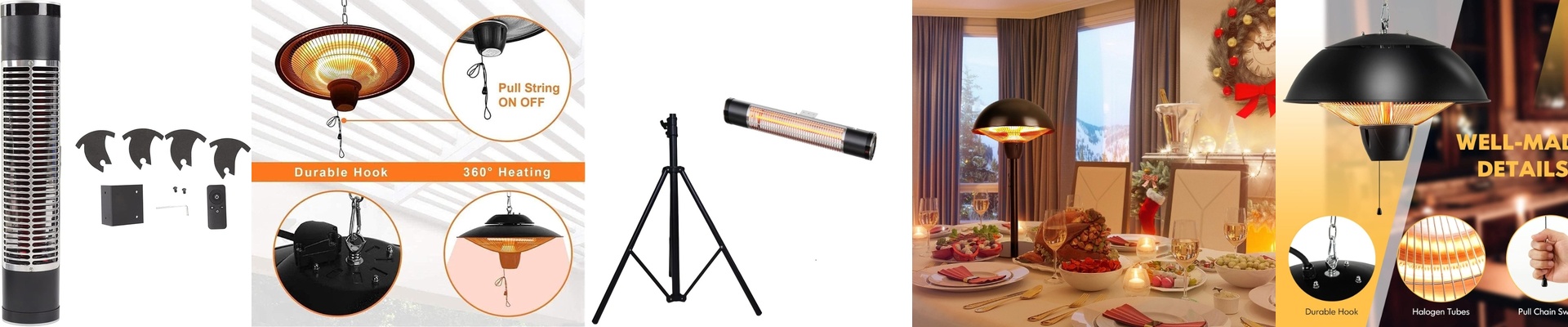
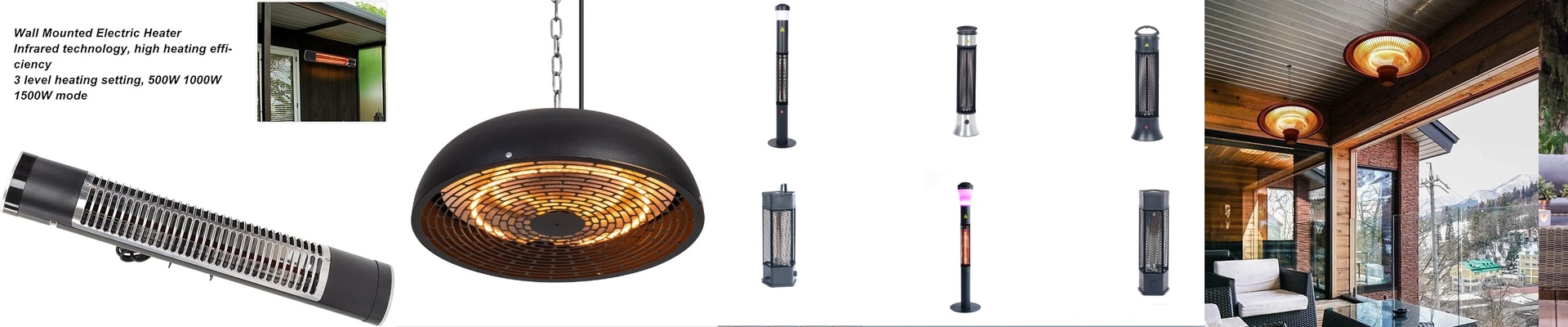
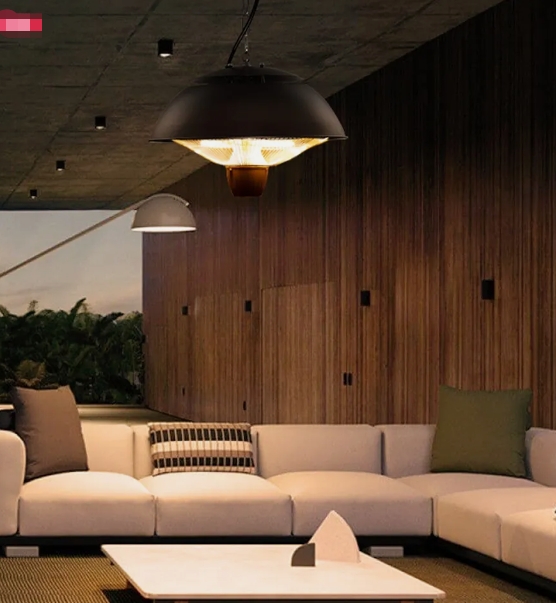
We build our top-selling infrared patio heaters around a carbon fiber element that delivers medium-wave infrared warmth. People and tables feel it within seconds of switching on. The heat is aimed where it needs to go, not sprayed into the void. Commercial models typically run on 220–240V and draw 1.5–3.0 kW. You’re looking at weather-resistant housings with IP ratings suited for covered outdoor spaces. A built-in thermostat keeps comfort steady, and tip-over protection adds a practical safety layer. Installation is straightforward: hardwired for permanent setups, plug-in where you have a standard outlet.
Why this fits an outdoor dining room
Out here, comfort is the service. Infrared hits faces, hands, and legs immediately, so guests sit without hesitating. That instant comfort shortens the “will they stay?” moment, which helps both occupancy and turnover. Tables stay occupied through light snow flurries and wind, and staff stay comfortable near the service line. Compared with heating the whole volume of air, radiant heating keeps the energy focused where it earns its keep—at the seats.
The practical details you can’t skip
Infrared heaters warm objects and people, not the air, so they do well in breezy, open areas—but they perform best under shelter: covered patios, pergolas, or under eaves. Clearance matters. Keep combustibles and fabrics at the recommended distance, and set mounting height so warmth spreads evenly without hot spots. For steady performance, pair the heaters with a dedicated circuit and a quality thermostat. If winter revenue is the goal, start by wiring for the right coverage, then add heat right where guests actually sit.