

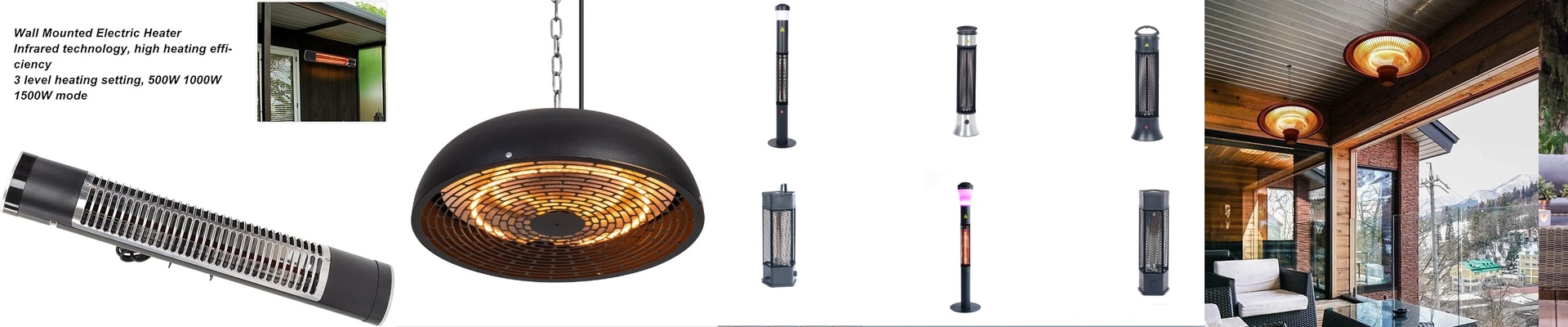
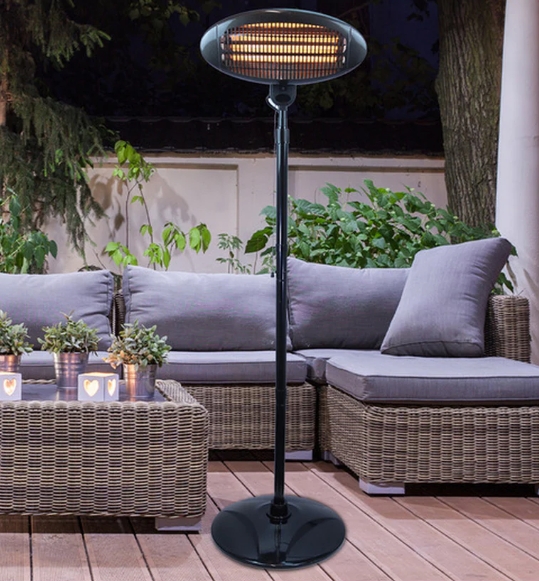
On cold mornings, the house sits quiet—until the heat hits. A wall-mounted electric heater, running on instant infrared, flips the chill into a steady push. You feel the warmth directly, not as moving air. It’s comfort that settles into the routine, waking your body before the day even asks. What matters under the hood Infrared wall heaters deliver radiant heat, the same way the sun warms surfaces. Inside, a quartz tube or carbon fiber element comes up to temperature in seconds and sends that warmth outward. Many models run on standard 120V or 240V, so they either plug in clean or get wired straight into the home. Match wattage to the room—1500W is typical for living areas, while lower outputs make sense for bathrooms or entryways. A built-in thermostat keeps things steady, and tip-over protection adds a layer of safety. If the location is damp, look for an IP rating that holds up against moisture. Why this fits the morning Mornings are about speed and feel. With infrared, you get heat on demand—no waiting for a furnace to cycle up. You step into warmth that reaches the skin and loosens tight muscles, which can help circulation and make moving easier. Because the heat is directional, it warms people and objects first, and that often reads as cozier than heating the air alone. Mounted on the wall, the unit stays out of the way, keeping floors clear and space open. The payoff is a small ritual that feels personal—your day starts with comfort, not a jolt. The practical details Plan mounting height with care: aim for 5 to 6 feet off the floor for even coverage, and keep the heater at least three feet from combustibles. Most units need a dedicated circuit, and hardwiring is usually cleaner than relying on a plug. Infrared warmth is strongest in line-of-sight, so cold corners may need an extra unit or a different layout. If you want whole-room warmth, pair infrared with a small fan-assisted heater.