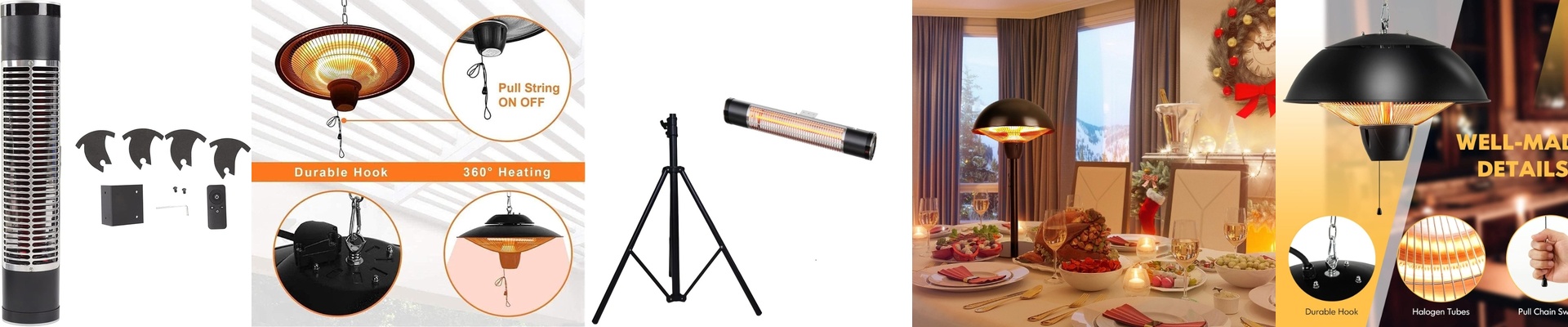
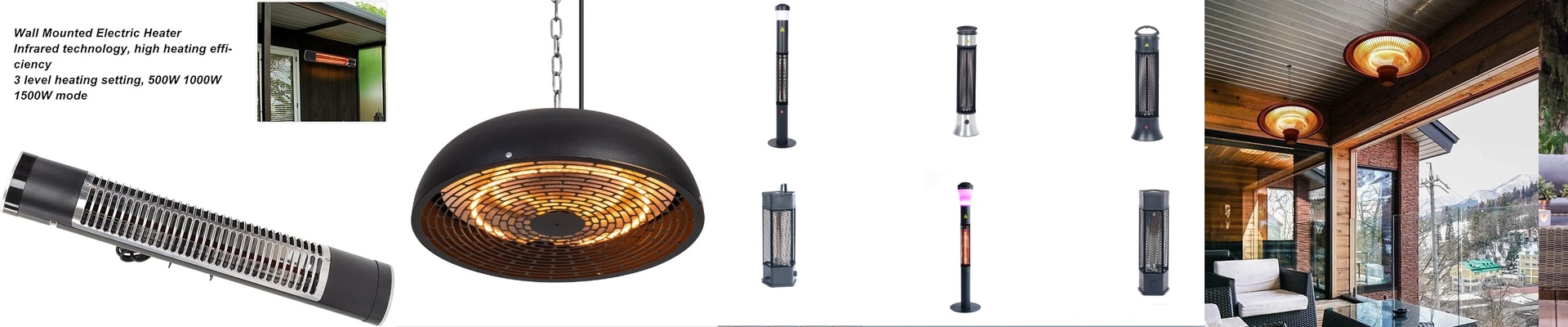
If your winter tent setup runs on a kerosene stove, you already know the drill. You get warmth, sure, but you also get that sharp fuel smell, soot, and moisture that hangs in the air and works its way into fabric. In a tight, unvented space, that isn’t just unpleasant—it affects how you breathe and how soundly you sleep. Swapping over to an infrared electric heater lets you keep the heat without the contaminants, and it’s the most straightforward upgrade you can make for indoor air quality in remote or off-grid situations.
What matters, technically
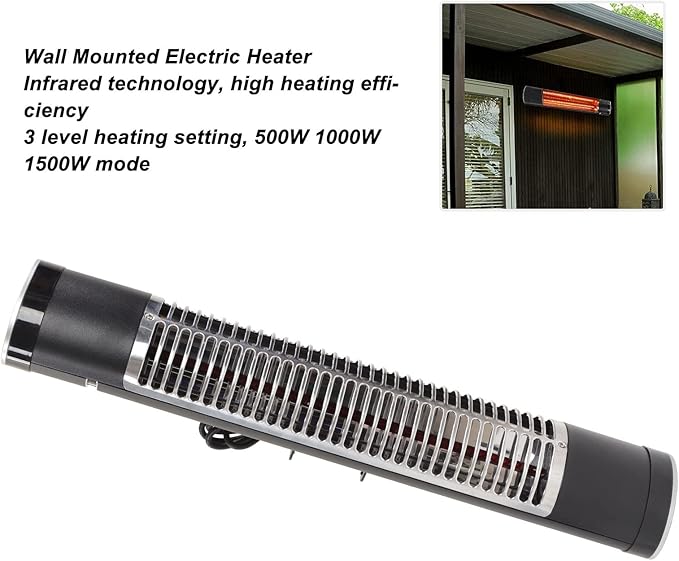
Infrared warmth is radiant heat, plain and simple. It travels outward and warms people and surfaces directly, instead of wasting time heating the air first. In a tent, that difference is huge, because air movement is limited and drafts are a fact of life. The workhorse here is the carbon fiber element. It’s lightweight, comes up to temperature fast, and holds its output steady. Most tent heaters in this category run on 120V AC and put out 1,500W, which is enough for compact to mid-size shelters when you pair it with a thermostat. Many models use a quartz tube to house the element, and that’s for a good reason—quartz handles the rapid heating cycles without falling apart quickly. You get heat in seconds, not minutes, and it runs quietly. No fan noise, just the warmth. For safety, look for tip-over protection and an overheat cut-off. If you’re dealing with damp conditions, an IP rating suitable for sheltered outdoor use is a practical bonus.
Why it works in this scenario
Kerosene heat brings soot, odor, and condensation along with it. Infrared electric heat is clean radiant heat—no combustion happening inside the tent, no lingering smell on your gear, and no soot on the tent walls. You feel the warmth immediately, and because the air isn’t being heated and cooled in cycles, the space feels more stable. That steady warmth makes comfort easier to maintain—hands and feet stay warmer, and the tent stays drier since you’re not adding combustion moisture. Operation is simpler, too. Plug it in, set the thermostat, and let it run quietly.
The things you need to know
Infrared heat is directional, so placement matters. Aim it toward the main sitting area and use the reflector to spread warmth more evenly. Since it’s electric, you need a stable power source—either a nearby outlet or a properly sized battery and inverter for off-grid use. And keep your clearances straight: keep the heater away from tent walls and fabrics, and never run it while you’re sleeping. Handled with care, an infrared tent heater turns winter nights from a fight against drafts and odors into a calm, breathable kind of coziness.