


The lights drop, the projector fires up, and your home theater is ready to pull you in. Then the hum hits—an air heater kicking on, air moving through vents, and that low, steady noise that keeps pulling you out of the story. In a proper cinema room, sound is the star. The heat has to do its job without trying to steal the show.
What matters, technically
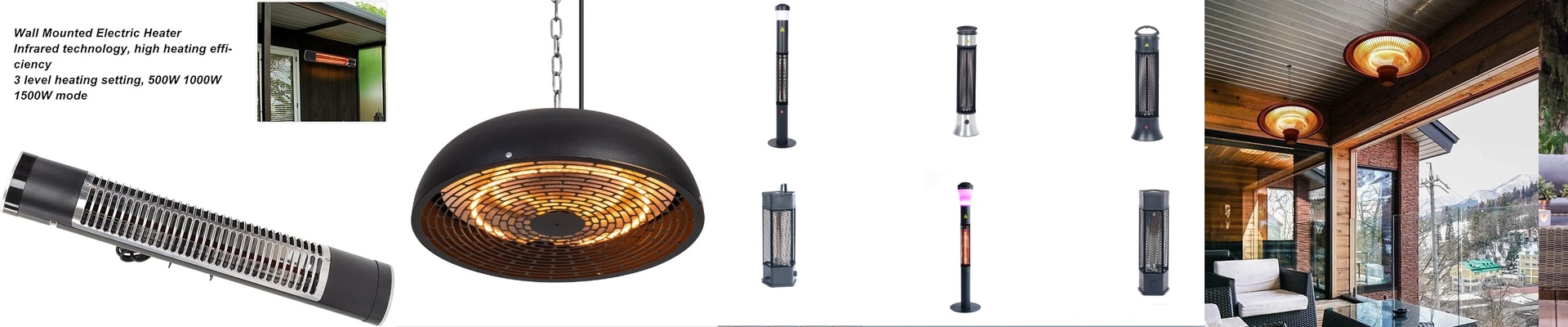
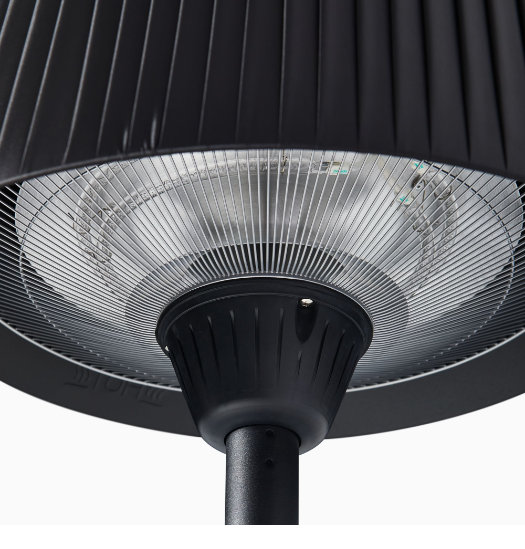
Infrared space heaters warm people and objects directly, not the air. In practice, that means heat shows up fast—often within seconds of switching on—without fans, ducts, or drafts. Many large-room models run on 120V or 240V circuits, delivering steady radiant output that can be matched to the room’s square footage. The heart of it is the radiant element—quartz tube or carbon fiber—mounted inside a sealed, weather-resistant body, with a reflector that throws the heat forward. Controls stay straightforward: an adjustable thermostat, a timer, and safety protections like tip-over cutoff.
Why it fits a home theater
Home theater is all about immersion, and immersion is easy to break. Zero fan noise keeps dialogue clean, music undistorted, and ambient effects intact. Infrared also warms you where you’re sitting, so the room feels comfortable even when the screen is bright and the air stays still. Because it heats directly, it can be more efficient for intermittent use—no energy spent heating air that will spill out every time the door opens. You get quiet, even warmth that supports long movie nights instead of fighting the audio.
What to keep in mind
Infrared heat is directional, so placement matters. Aim the heater to hit the seating area directly, and if the room is very large or the layout is odd, consider running more than one unit. It warms what it “sees,” so you can feel warmth on your skin even if the air near the floor is cooler. For year-round flexibility, pick a model rated for indoor use, and double-check that the cord length and plug type match your outlet and circuit capacity.