

Why we put our bathroom heaters through the “Steam Torture Test”
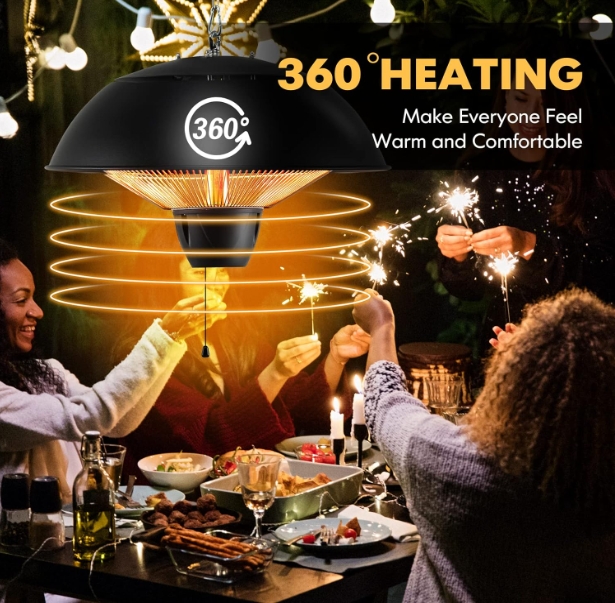
Putting infrared lamps in a bathroom is basically like putting electronics in a steam room. It’s a tough environment. We build our heaters to IP55 standards to keep the dust out and handle the occasional splash, but honestly? A rating on a piece of paper isn’t enough for us. That’s why we run every batch through damp heat aging tests. We want to find exactly where the seals give up before the product ever leaves our warehouse.
The problem with steam
Here’s the thing: steam is sneakier than liquid water. When a bathroom heats up and cools down, the materials in the heater expand and contract. It’s almost like the unit is “breathing.” That movement can actually suck moisture right past the gaskets and straight into the electrical guts. If that happens, you’re looking at short circuits or terminals that rust away in record time. To stop that, we throw our units into high-humidity chambers and cycle them over and over. We simulate years of steamy showers to make sure those seals actually hold up when things get sweaty.
The balancing act
Waterproofing is a bit of a trade-off. To hit that IP55 mark, we use heavy-duty gaskets and sealed cable entries. But if we seal it too tight, the heat from the infrared lamp has nowhere to go. The unit could basically cook itself from the inside out. It’s a delicate balance. We tweak the seals just enough to keep the water out, but leave enough room for the heat to dissipate. You get a heater that stays dry without burning out its own internals.
Real-world grit
We don’t just trust the data sheets. We get our hands dirty. During these tests, we’re looking for the tiny failures—the “creepage” and tracking that happens when moisture starts messing with the insulation. If a unit fails, we don’t just shrug it off. We go back to the drawing board, rework the gasket compression, or swap out the sealant for something tougher. It’s a lot of extra work, but it beats having a customer call us six months later because their heater died. We want you to be able to flip that switch every single morning and have it just work, no matter how much steam is in the air.