

Making Your Outdoor Heaters Actually Smart
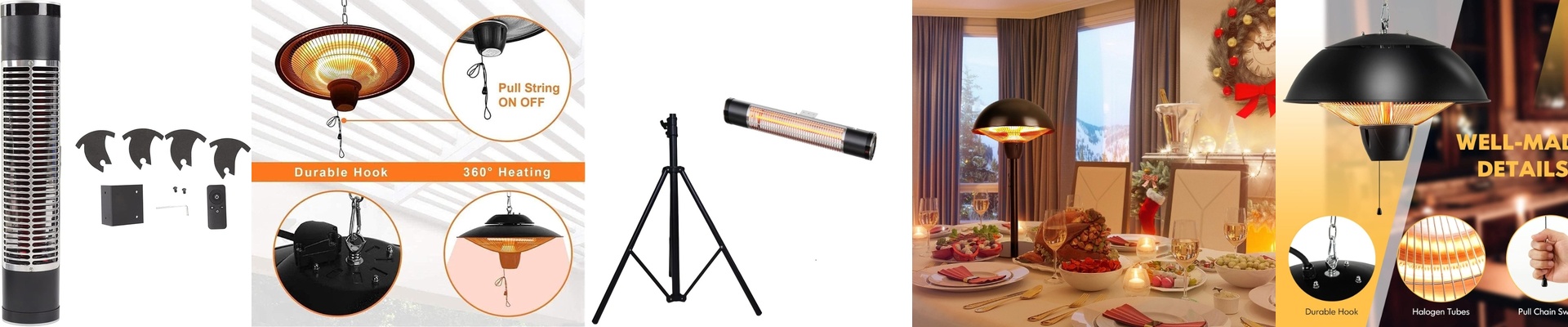
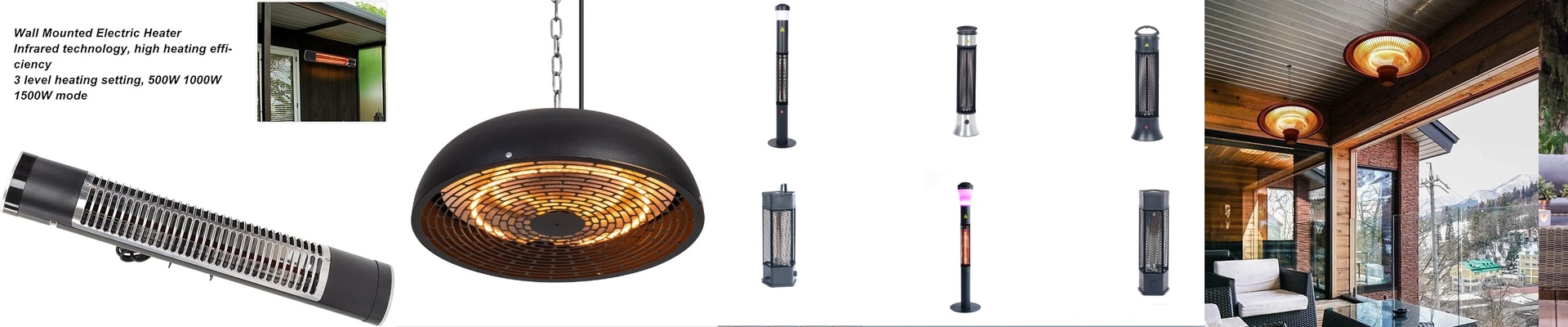
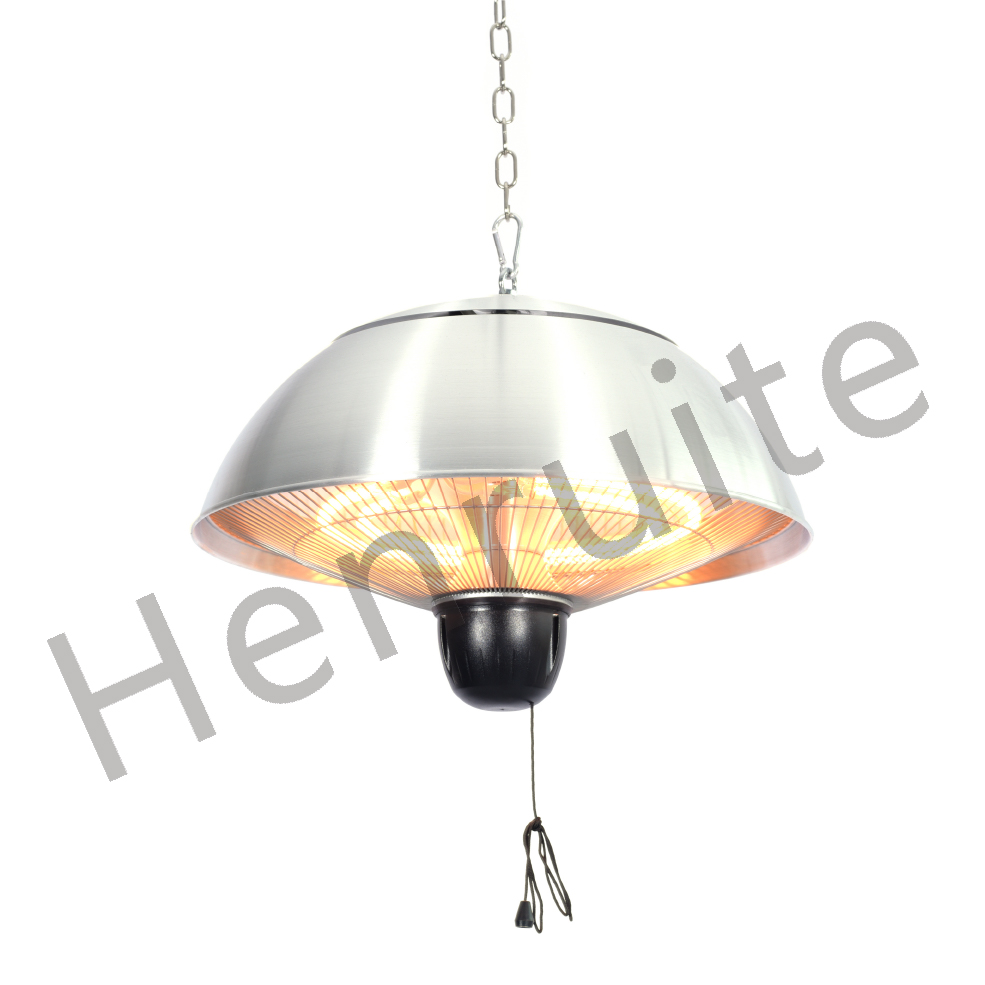
Ever step outside on a chilly evening, realize it’s too cold to enjoy the patio, and then have to trudge back inside to flip a switch? It kills the mood. If you’ve got IP55-rated infrared heaters, you’re already halfway there. These things are great because they don’t waste time trying to heat the entire outdoors—they just beam warmth directly onto you. But the real magic happens when you stop messing with manual switches and let your home handle it. The nitty-gritty on the hardware First, a quick heads-up: you can’t just plug these into a cheap smart plug from the drugstore. These heaters pull a massive amount of power—sometimes up to 3000W. If you try to run that through a standard plug, you’re basically asking for a melted socket. You’ll want a heavy-duty relay or a Zigbee/Matter contactor installed between your power source and the heater. It’s a bit more work upfront, but it’s the only way to make sure your house doesn’t become a fire hazard. Since they’re IP55 rated, they can handle a bit of dust and a splash of rain, so you’re safe putting them outdoors. That “instant” feeling The best part about shortwave infrared is that it doesn’t need to “warm up.” There’s no waiting for a fan to kick in or a coil to glow. The second the circuit closes, you feel the heat. Imagine this: you walk onto your deck, your phone’s geofencing triggers, and by the time you’ve sat down with your drink, the area is already cozy. It just works. A few things to watch out for Now, it’s not all perfect. Adding smart tech means adding another point of failure. If your hub decides to crash, you’re stuck in the cold. I always suggest putting in a manual bypass switch. That way, if the “smart” part of your home has a brain fart, you can still flip a switch and get warm. One more thing—these high-power units can be “noisy” electronically. They create electromagnetic interference that can mess with your other sensors. If you notice your smart lights flickering or sensors triggering for no reason, try shielding your data cables. It keeps the signal clean and your sanity intact.