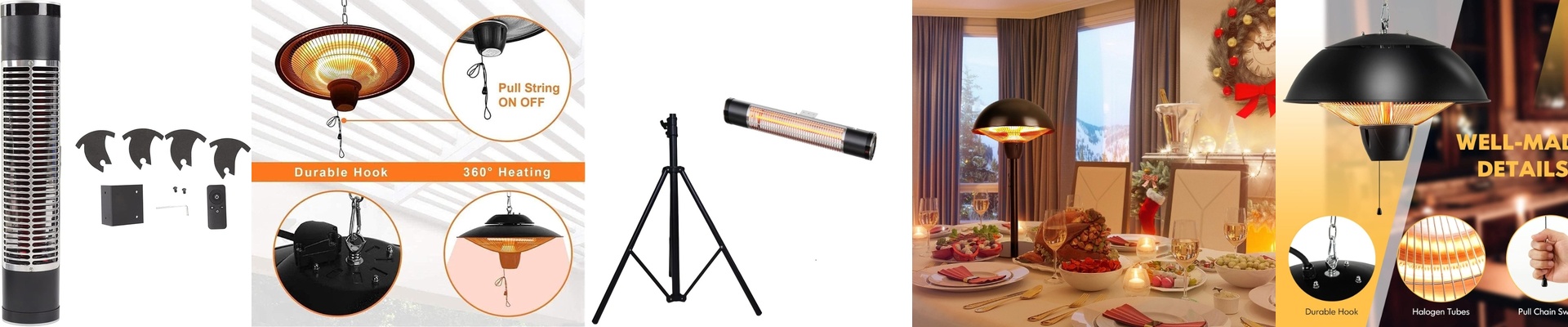
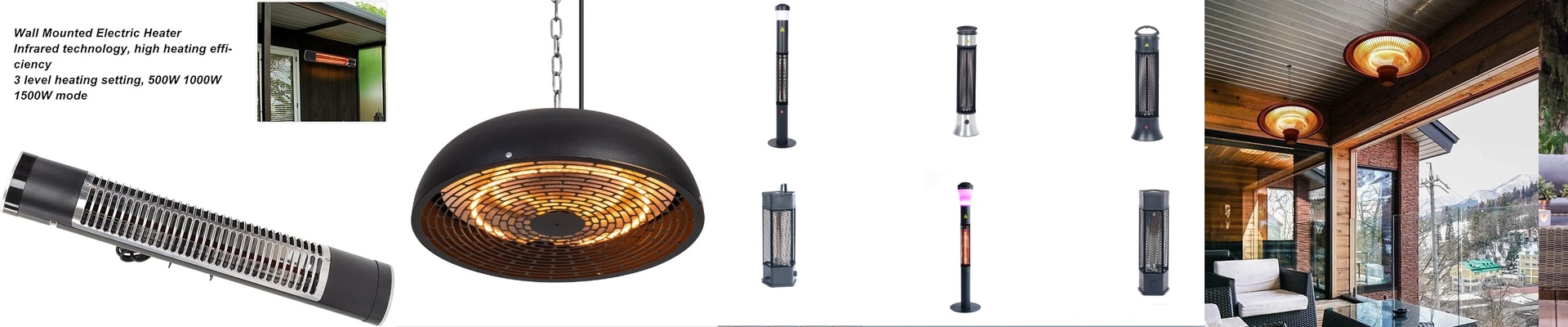
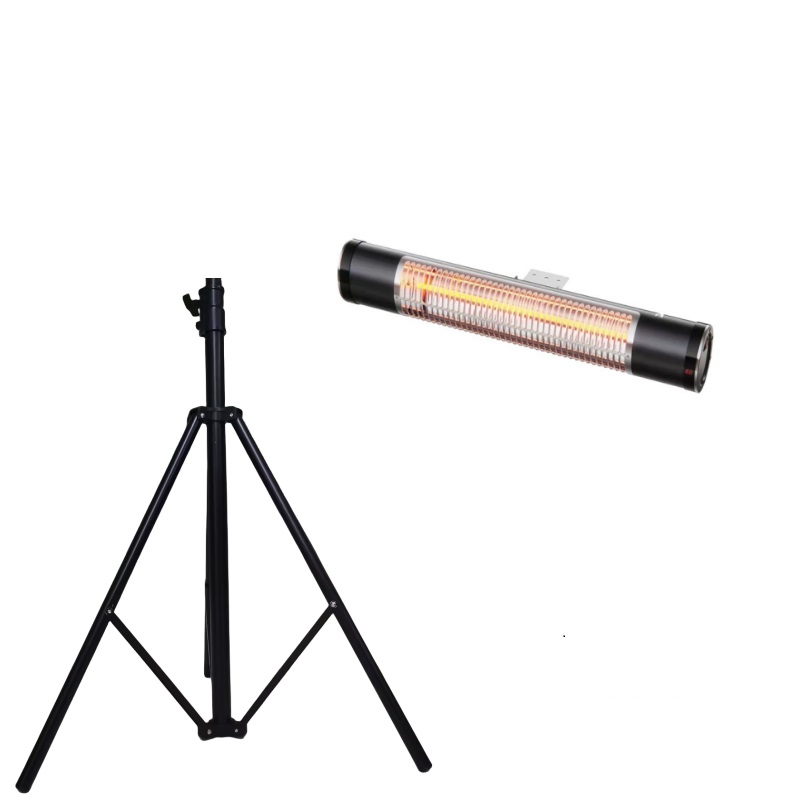
You’re on the patio, guests showing up in an hour, and the evening’s closing in. It’s not just the temperature—it’s the doubt. Will the heater keep up, or are you going to end up huddled under blankets? Match an infrared patio heater to the space’s orientation and insulation, and you swap guesswork for a plan you can stand behind. Here’s what actually matters on the technical side. Infrared patio heaters deliver radiant heat—warming people and surfaces directly, not the air around them. Most units run on a carbon fiber element or a quartz tube, producing short-wave or medium-wave infrared. You get immediate heat that feels natural, not forced. Power and coverage are the two levers. As a rule of thumb, for mild climates and sheltered spots, plan about 10 W per square foot. If it’s colder and windier, step up to 15–20 W per square foot. North-facing areas and rooms with a lot of glazing lose more heat, so they need the higher end. Look for a unit with a built-in thermostat for steady comfort, and make sure the construction carries an IP rating—IP34 or higher—for outdoor resistance. On the safety side, tip-over protection and a cool-touch housing aren’t optional; they’re the baseline. Put the right wattage in place, and the patio becomes usable on demand. Infrared warmth hits chairs and tables fast, so you don’t sit around waiting for the air to warm up. You get even comfort across the seating area, fewer cold pockets, and less wasted energy, because the heater isn’t fighting constant drafts. The end result is an outdoor room you actually live in—morning coffee, evenings with friends, and a lot less hassle. A few practical notes. Infrared is directional, so aim the heater at the seating zone and mount it at the recommended height for even coverage. Clearances matter—for safety and performance—so follow the manual and keep combustibles at a safe distance. If the space is large or oddly shaped, two properly placed units often beat one oversized heater. And while infrared won’t dry the air out, it also won’t warm cold air first—so wind protection and smart placement are non-negotiable.