

Why Your Bathroom Needs Infrared Heat (And Not Just a Heater)
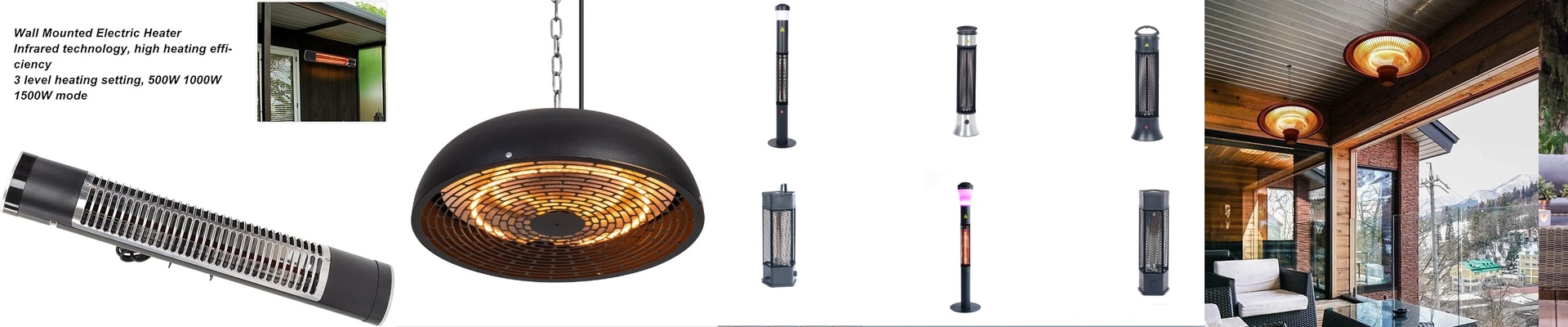
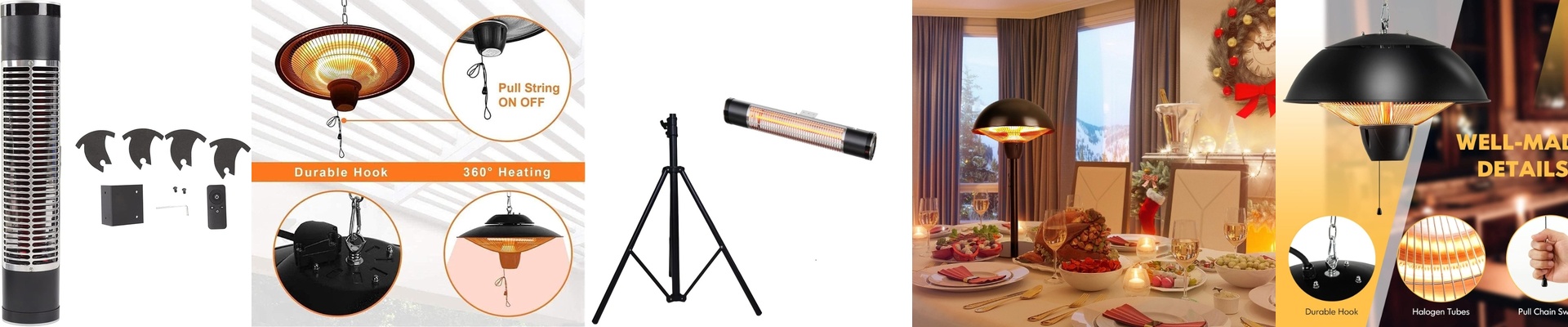
Most people look at those infrared lamps on the ceiling and just think, “Oh, it’s a heater.” But there’s actually some pretty cool science happening here. When we install these, we aren’t just trying to make the room feel cozy; we’re actually fighting a war against moisture.
The battle against mold
Here is the thing about standard heaters: they just warm up the air. That sounds fine, but it often leaves your walls cold. When warm, steamy air hits a cold wall, you get condensation. And where you have damp walls, you have mold. It’s a nightmare. Infrared is different. Instead of messing with the air, it beams heat directly onto the surfaces—your floors, your walls, everything. It basically raises the temperature of the materials themselves. When the wall is warm, water can’t settle on it. No puddles, no damp spots, and nowhere for mold spores to grab hold. It’s a simple way to keep things dry without needing a bunch of chemicals.
The nitty-gritty of setup
We usually go with quartz halogen elements. Why? Because they’re fast. Like,instantfast. You don’t have to stand around shivering while a heating element slowly warms up. You flip the switch, and you feel it immediately. But a word of caution: these things put out a lot of concentrated heat. You have to make sure your ceiling housing is rated for the wattage, or you risk scorching the ceiling. Not a great look. Also, don’t think this replaces your exhaust fan. If you have zero ventilation, you’ll still get steam trapped in the upper corners of the room. The lamp keeps the surfaces dry, but you still need a fan to push the actual steam out of the house.
Why it just works
When you get this right, you stop relying on those clunky dehumidifiers. You get a bathroom that feels warm the second you step in and surfaces that actually stay dry. It’s a mechanical fix for a biological problem. Just double-check that your voltage matches the driver so you don’t blow the lamps prematurely. Simple as that.