Why We Ditched the Old Lamps for Infrared in Steamy Spaces
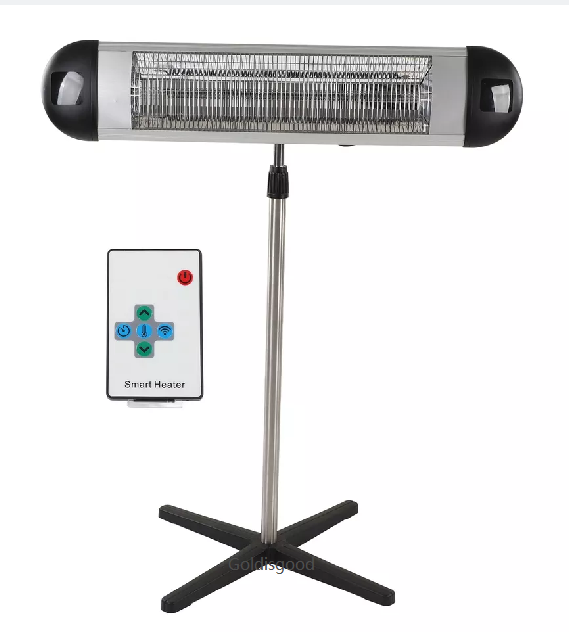
Here’s the thing about building a heater for hot yoga studios: regular lamp-style heaters just fold under the pressure of wet, humid air. They fail. Fast. So we made a hard pivot to serious, waterproof infrared. Not for looks. But because when your space is soaked, constantly heating and cooling, and you need heat on demand, you need something that won’t quit.
The Heart of It: Power, Voltage, and a Slim Profile
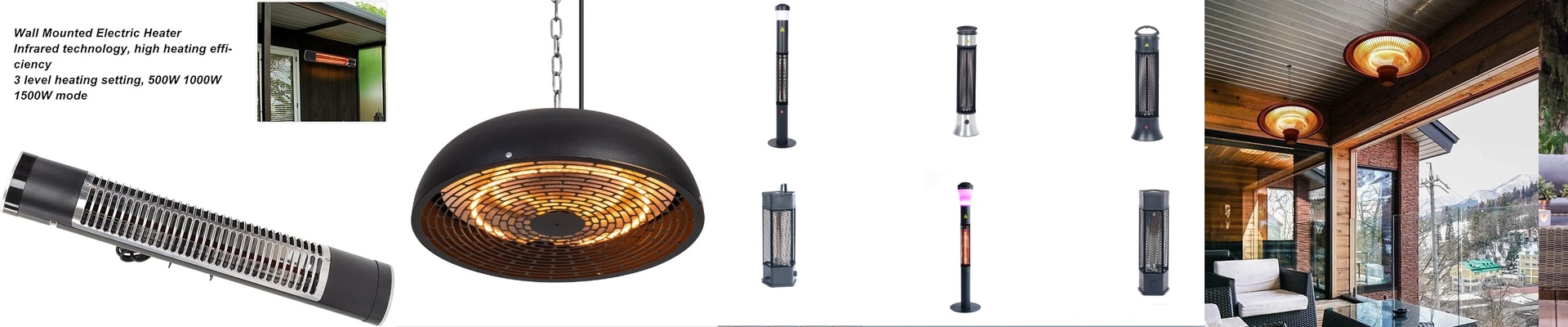
At the core, we built this around a shortwave infrared halogen tube. It’s all about packing a ton of warmth into a small package. It runs on 220V–240V, so you get solid power for that quick, surface-level heat without tripping your studio’s circuits. And at 300mm long, it’s slim enough to sit flush on a wall or slip neatly into a recessed mount. Small footprint. Big radiant reach.
Built to Take the Heat (and the Splashes)
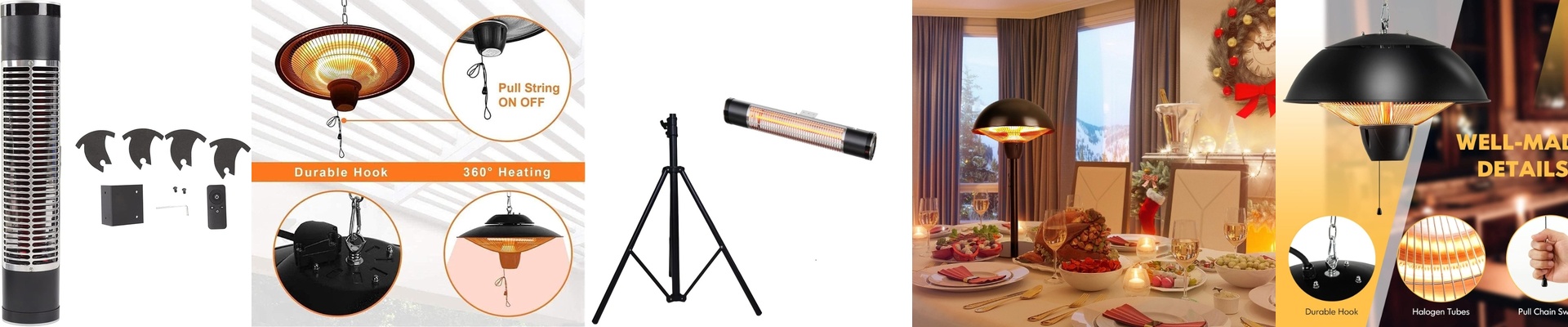
The heating element itself is a quartz halogen tube. Quartz is tough—it handles the intense filament temps and shrugs off the shock of turning on and off. We sealed it up with a waterproof coating and built it to an IPX4 rating. That means it can handle splashes and that heavy, humid air without shorting out or giving you trouble. For the connector, we went with R7s. It’s a standard two-pin setup that makes wiring a breeze. It keeps contact resistance low and makes this heater a simple drop-in replacement for many existing infrared fixtures. You wire it, mount it, and it stays put—even with vibration and the constant push and pull of heating up and cooling down.
What It Feels Like in a Bathroom or Yoga Studio
Walk into a bathroom or a hot yoga room, and the difference is immediate. Infrared doesn’t waste energy warming the air. It warms you—and the surfaces around you—directly. That means less wasted energy and faster comfort the moment the room is in use. And because it’s just 300mm, slipping it into an existing wall during a renovation is straightforward.
The Reality Check (and How to Make It Work)
There is a trade-off. The heat is dense, so you do need to plan for proper thermal management. Space out your mounts, make sure ventilation is right, and choose materials around it that can handle the warmth. Do that, and you get a heater that’s reliable, low-maintenance, and simply outperforms the old lamp-style units in wet, demanding spaces.