
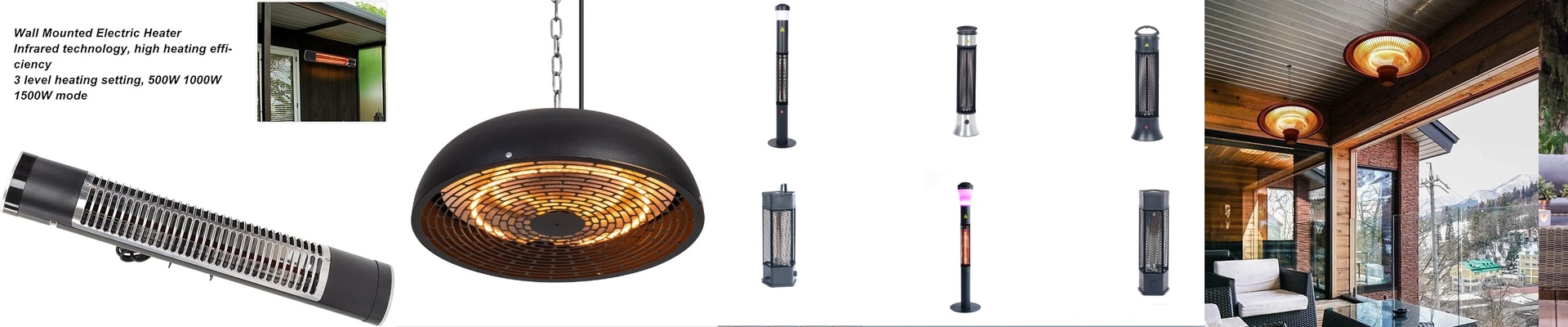
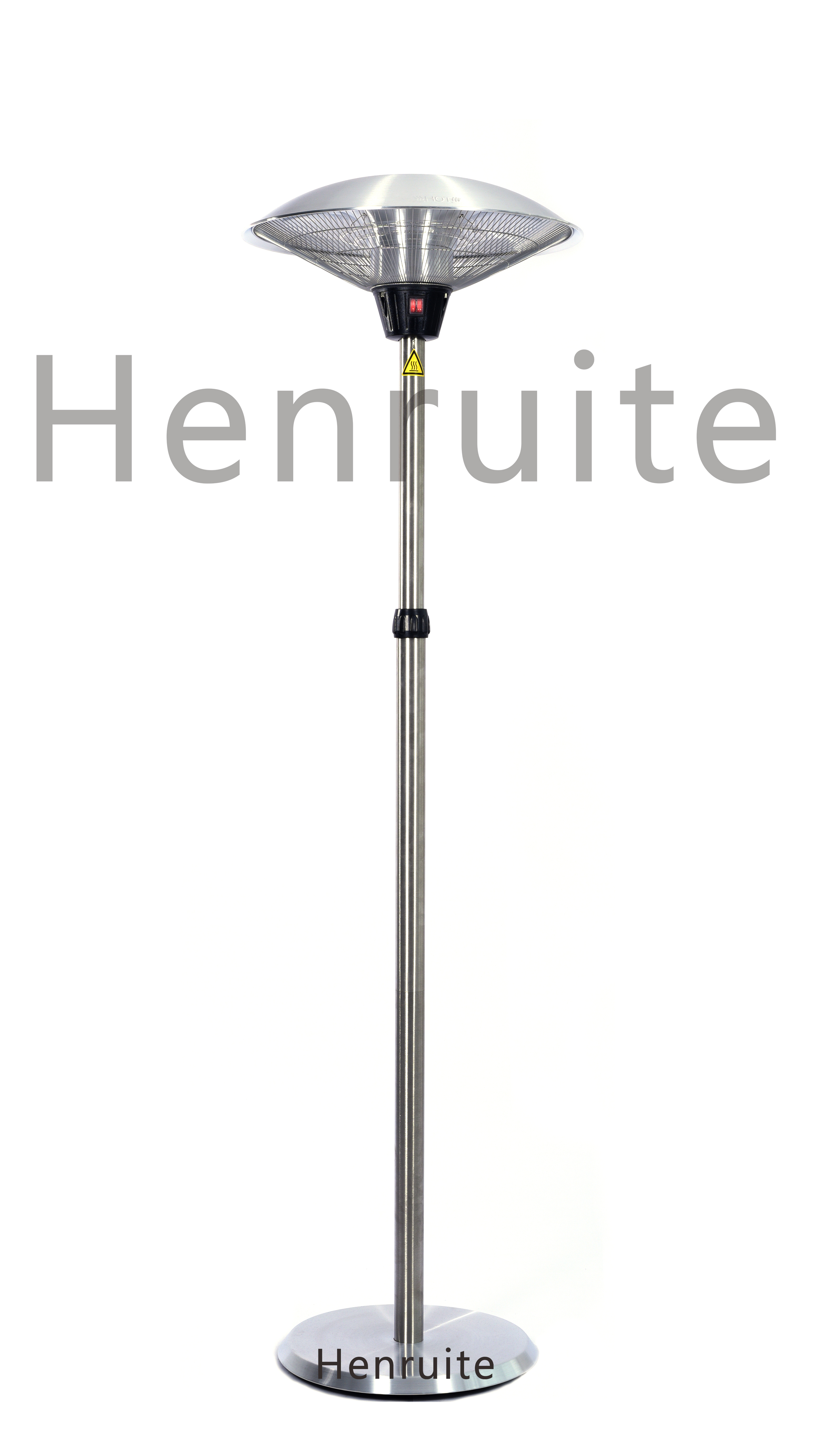
A basement that’s always damp and cold isn’t just unpleasant—it’s a room you stop using. Standard forced-air systems fight an uphill battle down there. They’ll warm the air, but the walls and floors stay clammy. That’s exactly where a low-power, wall-mounted infrared heater earns its keep. What’s actually going on under the hood This is a 12V electric heater, so it runs off a low-voltage circuit. It pulls far less current than a 120V unit, which eases the load on the wiring. Inside, you’re looking at a carbon fiber or quartz infrared element. It throws radiant warmth that moves straight through the air and heats floors, walls, and your skin directly. You feel the comfort right away, instead of waiting for the air to catch up. Many models come with a built-in thermostat, so you can keep the temperature steady without chasing it. Why this approach fits basements Basements are moisture magnets, and conventional heaters often feel like they’re spinning their wheels against that chill. Infrared warmth goes right after the surfaces that hold the cold, so you get heat the moment the unit kicks on. Because the heating is direct and localized, you’re not wasting energy pushing air around an uninsulated space. The wall-mount design keeps the footprint small, and the low draw keeps operating costs from spiking. Over time, that drier feel helps stabilize the room, so you can actually use it again—for work, for hanging out, or for storage. What you need to get right For the best performance, the heater needs a dedicated 12V outlet, or a properly sized low-voltage run from a transformer. These are built for indoor spots that are dry to moderately humid. They help with the feeling of dampness, sure, but they aren’t a dehumidifier and won’t fix serious water intrusion. Aim for placement with a clear line-of-sight to the main seating or work area, and pair the unit with solid insulation practices if you want the biggest comfort payoff.