

Basements and garages have a way of turning work into a grind. The air sits heavy and cold, tools feel unwelcoming, and moisture seems to work its way into everything. When the heat doesn’t show up, projects stall, comfort disappears, and even quick tasks turn into a chore.
What matters, technically
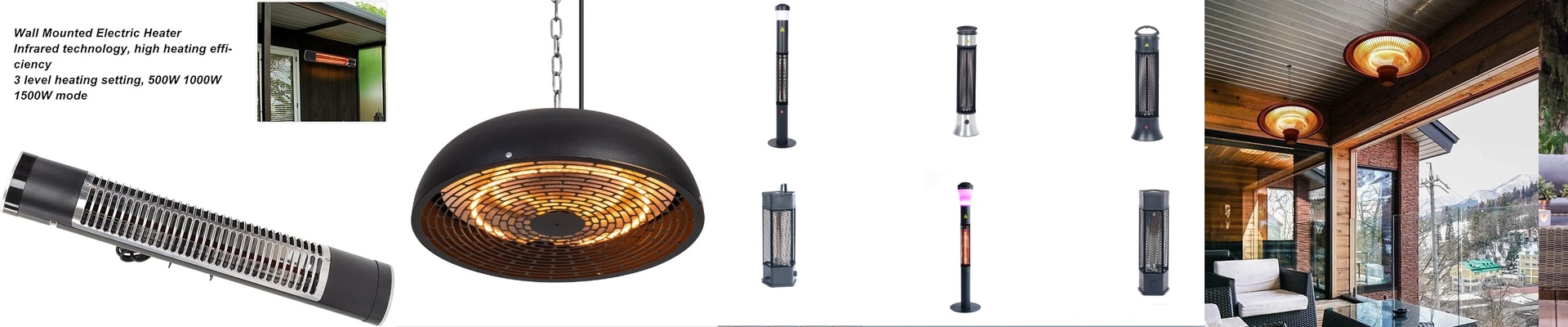
We built this low-power wall-mounted infrared heater around a carbon fiber element. It delivers radiant heat straight to people and objects, not to the air. So you feel warmth almost instantly, without waiting on a fan or waiting for a big volume of air to warm up. The unit runs on standard 220–240 V and draws 400–800 W, depending on the model. It mounts cleanly to a wall, so you keep floor space open. A built-in thermostat holds the space at the set temperature, and tip-over protection plus a protective outer grill keep operation safe in busy areas. The design is sealed against splash and dust, so it holds up where humidity and fine debris are part of the daily routine.
Why it works in these spaces
In a basement workshop, dampness is often the real problem, not just cold. Infrared warmth hits your work surface and your hands first, so you can keep working without shivering. Because the heater doesn’t have to move a lot of air, it helps reduce that clammy feeling on surfaces, and the steady warmth makes long sessions more bearable. The lower power draw means you can run it through extended projects without staring at the meter. Wall-mount installation keeps the footprint small, leaving room for benches, storage, and room to move.
What you need to know
For best results, mount the heater at a height that puts the infrared warmth directly on the work area. Avoid pointing it at highly reflective surfaces that can throw glare. This heater is designed to be efficient in enclosed spaces. In a very open garage, you may want to pair it with a secondary heat source. Plan the wiring on a dedicated circuit to match the unit’s power draw, and keep the heater clear of flammable materials and stored items.