Once the doors swing shut and the dinner rush hits, the inside of a restaurant can get unforgiving. You feel it near the entry, along glass walls, or by the bar—drafts that rob guests of the comfort they came for. When the heat underperforms, patrons huddle, servers scramble to compensate, and table turnover slows. We built our indoor restaurant heater line to stop that comfort drain before it even starts.
What matters under the hood
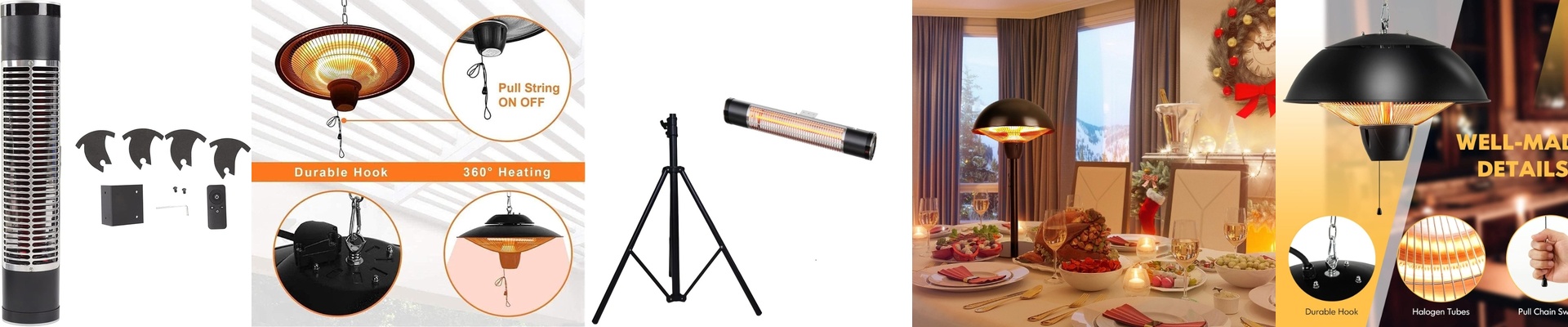
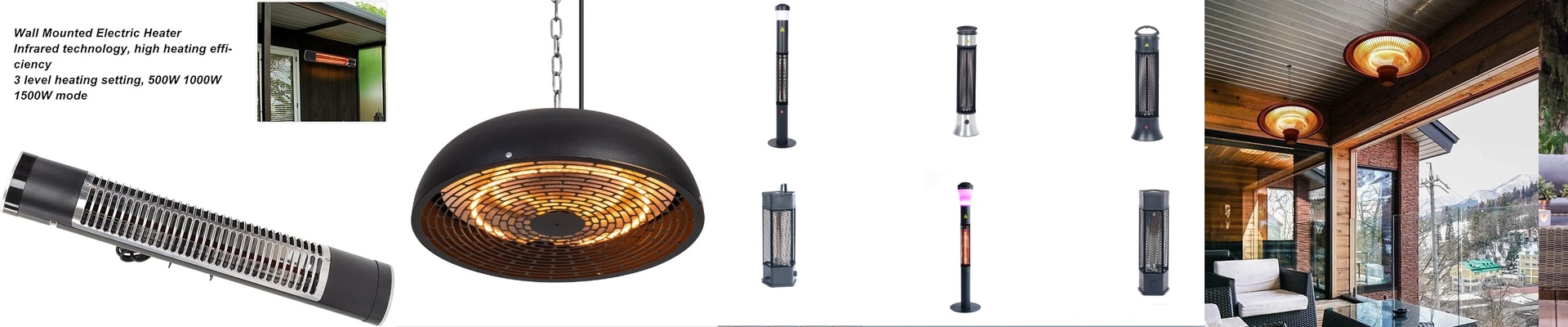
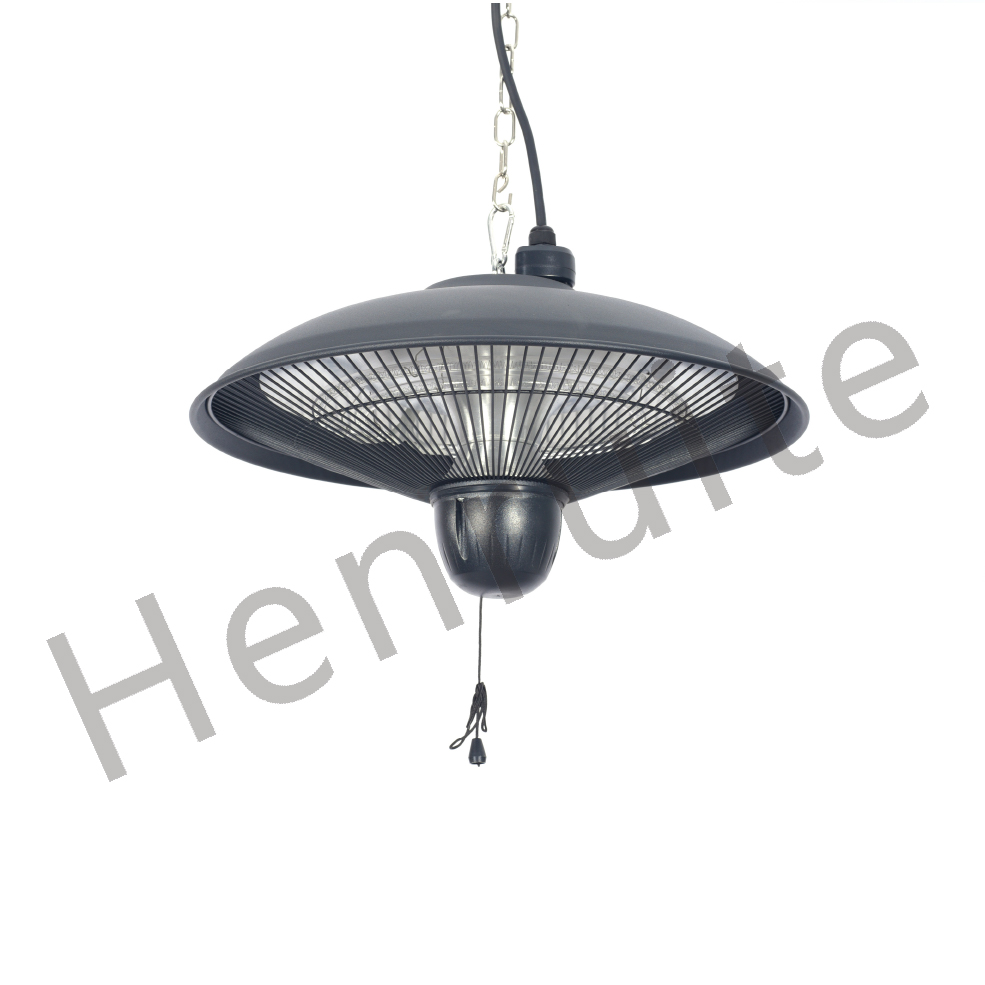
We lean on infrared radiant warmth because it delivers heat where people actually sit, not just into the air. The workhorse is a durable quartz tube paired with a reflector that throws output downward and outward—so warmth lands on tables and laps, not the ceiling. You can spec models from 1.5 kW to 3.0 kW to match room size and heat demand, and they all run on standard 120V circuits, so electrical compatibility is straightforward. A built-in thermostat holds the set temperature, and a tip-over switch shuts the unit off if it gets bumped.
Why this approach fits indoor dining
Comfort in a dining room comes down to stable, draft-free warmth. Infrared heat warms people and surfaces directly, so the room feels cozy faster and temperature swings are easier to keep in check. That means guests relax, reviews stay solid, and tables turn more predictably. Because we control the supply chain in-house, we can offer wholesale pricing that keeps operating costs in line—without cutting corners on safety, materials, or performance.
What you need to get right
Placement is half the job. For even coverage, mount heaters 6–8 feet high and aim them toward seating zones, keeping a clear distance from combustibles and avoiding direct glare on guests. These units are designed for indoor, covered spaces; in damp locations, confirm the IP rating matches the environment. Planning a large installation? We can share load-planning guidance so you get balanced warmth across every table.