Introduction
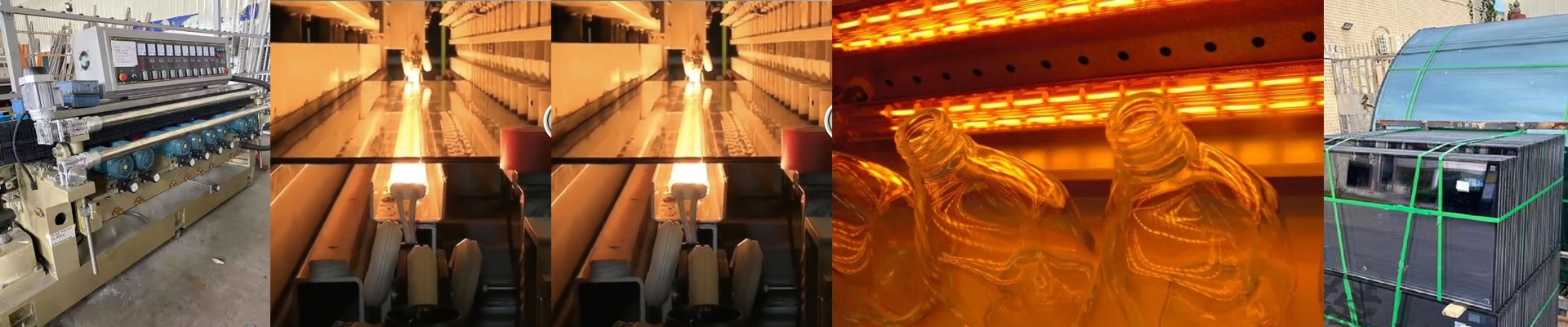
Ever watch a piece of glass crack in the kiln and just sigh? It’s usually because of those stubborn “cold spots”—areas the heat just can’t reach. We built our infrared heating lamp reflectors to hunt those down and wipe them out. Especially for those tricky, curvy glass containers. The whole point? To wrap every inch of the glass in the right amount of heat, using smart optics and gear that can take the heat, day after day.
The Power Behind the Heat
Here’s what makes it happen. We pack a serious punch into a tight space. Each unit runs at 400V and 2500W, all inside a 300mm quartz tube. That kind of power density gets the filament screaming hot almost instantly, blasting out focused shortwave energy. That 400V choice isn’t random. It’s perfect for industrial settings. It draws less current than lower voltage options, which means less energy lost in the lines and the freedom to run longer cables without the voltage dropping off. Just be aware, your electrical setup needs to be ready for it. And the compact size? It’s a lifesaver. The 300mm footprint slips right into tight spots, so you can zero in on a problem area without tearing the whole kiln apart.
What’s Inside
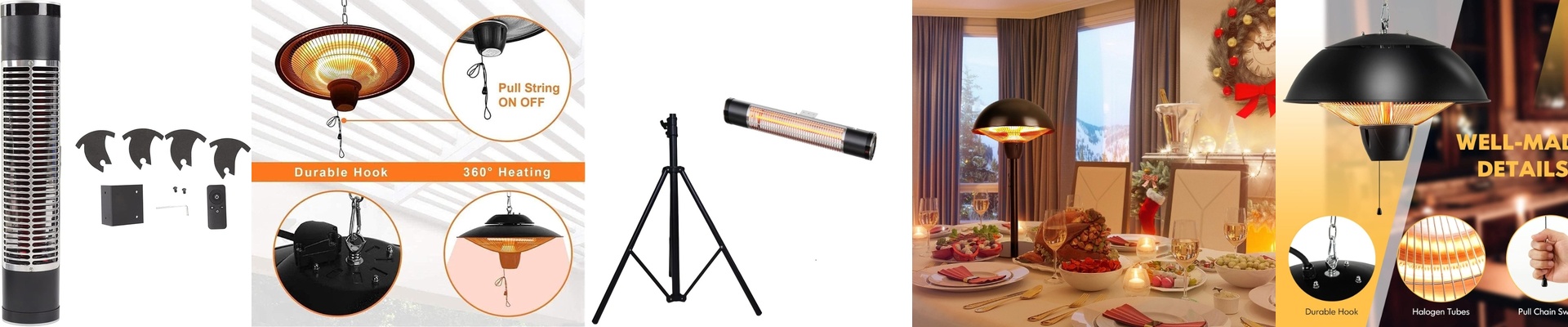
At the heart of it all is a shortwave halogen element, snug inside a high-purity quartz tube. Quartz is tough—it handles the shock of heating up and cooling down over and over, and it lets that infrared energy pass through cleanly. Then there’s the reflector. This isn’t just about shining a light. Its shape is carefully designed to sculpt the beam, guiding the heat exactly where it needs to go—onto curves and deep into cavities. And for the connection, we use the R7s connector. It’s the industry standard for a reason. The two-point contact holds firm, even as the quartz tube expands and contracts with the heat. It keeps the lamp locked in place, so you don’t have to worry about arcing or connections failing, even with constant vibration.
How It Works for You
On a glass annealing line, you have to get every last millimeter of a complicated shape perfectly heated. Standard convection heat just can’t keep up with complex geometry. But directional infrared? It wraps itself around the form. Our reflector system lets you paint the heat right where you want it, banishing the cold spots that cause stress fractures. And the best part? Installing it is a breeze. The R7s connection is a direct drop-in for most existing fixtures. That means you can upgrade a kiln to fix a production bottleneck without shutting things down for weeks. Just one thing to keep in mind—with 2500W focused in one spot, it puts out a lot of ambient heat. So you’ll want to make sure the surrounding components and your cooling systems are built to handle it.