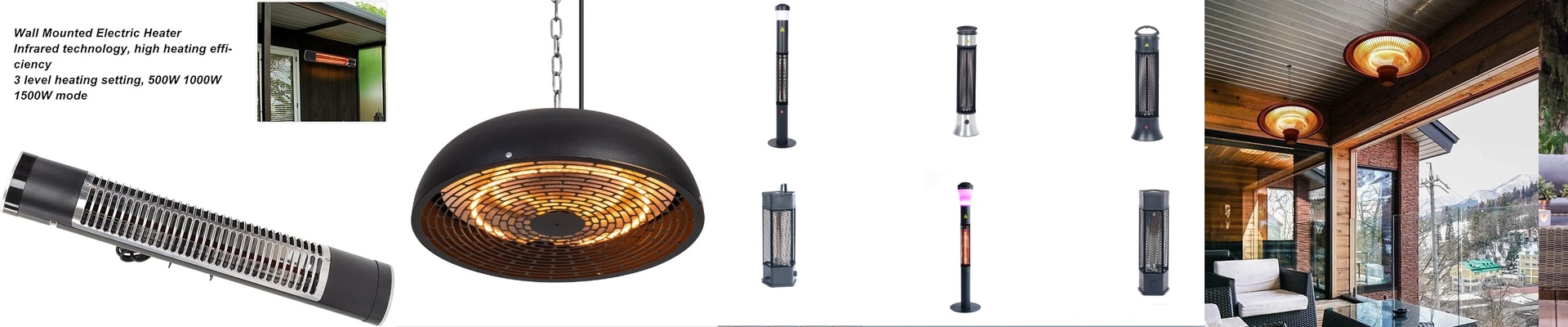
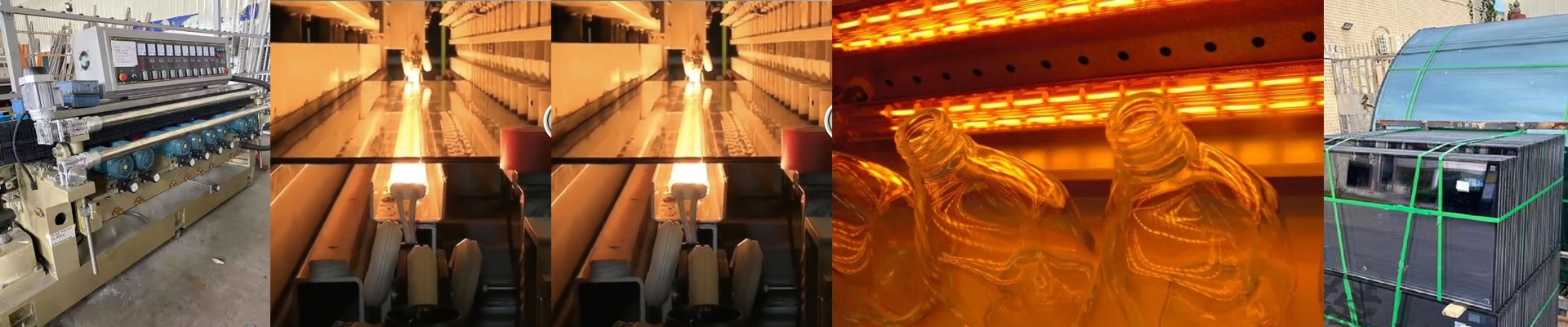
Out on the line, you know how it goes: the mold heats unevenly, and the glass pays for it. Edge compression drops, optical distortion shows up, and thermal stress fractures don’t always reveal themselves until hours later when the rejects stack up. Convection heaters are always fighting air currents and lag. Infrared radiators for glass molds cut through that noise. They go straight to the surface, match the mold’s emissivity, and put the heat right where the process needs it—no fuss. What matters, technically We spec short-wave quartz infrared elements for the fast response and tight control the line demands. The wavelength is tuned so it absorbs efficiently into mold steel and ceramics, not just the surrounding air. A matched reflector geometry keeps the beam pattern consistent across the mold face, and in practice the thermal field stays within about ±2%. Power density is sized to your press and cycle: common modules run 2–6 kW per zone, 230/400 V, with compact lengths that fit standard mold carriers. And we build it for the floor—ceramic insulators, stainless terminals, and a seal that holds against glass dust and mist. Why this works where it counts Uniform heating isn’t a nice-to-have. It’s the difference between a stable temper and a windshield that ends up scrapped. When the mold face runs even, the glass sees repeatable soak conditions, so optical quality holds and the risk of thermal shock drops. The response is fast enough for short-cycle bending and tempering, and the control band stays tight, so you can run the same temperature profile shift after shift. Energy use comes down because the heat goes straight to the target, not into the plant air. Many units run 5,000+ hours with minimal output drop, which means fewer changeouts and less downtime. Here’s what to keep in mind Infrared performance lives and dies on line-of-sight and surface condition. Oils, scale, or heavy oxidation change absorption and can throw your setpoints off, so keep mold surfaces clean and consistent. Mounting tolerances matter, too. Gaps shift the heat map and can create hot spots. Plan the install to preserve the original mold envelope; if the footprint differs from the legacy heater, a simple bracket or spacer is often all you need. Expect a short warm-up to reach stable output, and pair the radiator with a controller that can handle the inrush and deliver stable proportional control.