Introduction
We built this infrared drying lamp for one reason: to dry high-performance Low-E glass coatings without scorching the film. Speed is everything. We’re talking millisecond response—hit the target temperature, cure the coating, and do it before oxygen has a chance to mess things up. If you need film integrity you can count on, the lamp’s physics have to play nicely with the coating’s chemistry.
Power, Voltage, and Geometry: How It Gets So Fast
This lamp is all about delivering heat, and fast. That millisecond reaction time comes from packing a lot of heat into a small space. To make that happen, we spec the lamp at 400V. Not just because it matches plant power—because it pushes the right current density through the filament so it ramps up almost instantly. We size the tube length to match the coating zone exactly. A shorter, concentrated emitter gives you a tight thermal window—less dwell time, less chance for oxidation. But that concentrated power comes with a catch: it throws heat into the surroundings. So your machine needs proper cooling and shielding. If it doesn’t, nearby parts and the substrate can run hotter than the process allows.
Materials and Design: The Details That Keep It Reliable
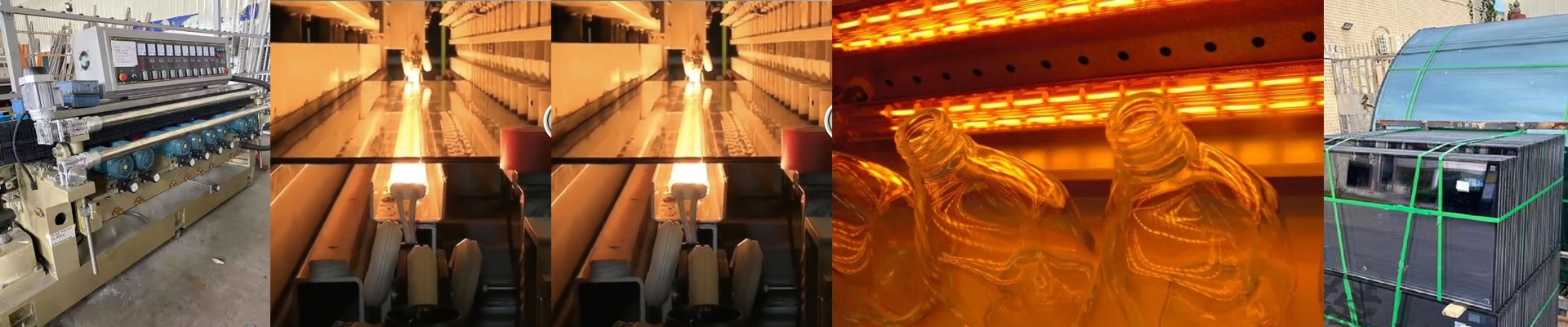
We use a halogen-filled quartz tube. Why? Because it keeps the filament stable at high temperatures and handles fast on/off cycling without blinking. The halogen gas cuts down filament evaporation, so output stays consistent—even over long runs. And the quartz envelope? It transmits shortwave infrared efficiently, so the heat penetrates the coating quickly and dries from the inside out. The R7s connector isn’t just a detail—it matters. It locks the lamp into the reflector with minimal gap, which improves alignment and heat coupling. On an automated line, that rigid, direct connection means less wobble—and less drift in the heating profile.
What It Does for Low-E Glass: Clean Coating, No Oxidation
Low-E glass coatings are thin and chemically sensitive. With slower heating, the film can linger in the oxidation danger zone way too long. Our infrared lamp shortens exposure so the film hits cure temperature—then cools fast. In practice, you get a repeatable thermal pulse: heat the film, drive off solvents, and lock the layer before air can degrade it. That means stable film quality, consistent optical performance, and fewer rejects from discoloration. The lamp drops right into coating lines, but it only performs when the whole setup—cooling, reflector geometry, and control timing—matches the spec. If your process is protecting nano-scale films on Low-E glass, treat the lamp as part of a thermal system, not just a heat source. Match the voltage, the footprint, and the cooling, and that millisecond response does the hard work of keeping oxidation out.