
The Tug-of-War Between Sharp Prints and Strong Glass
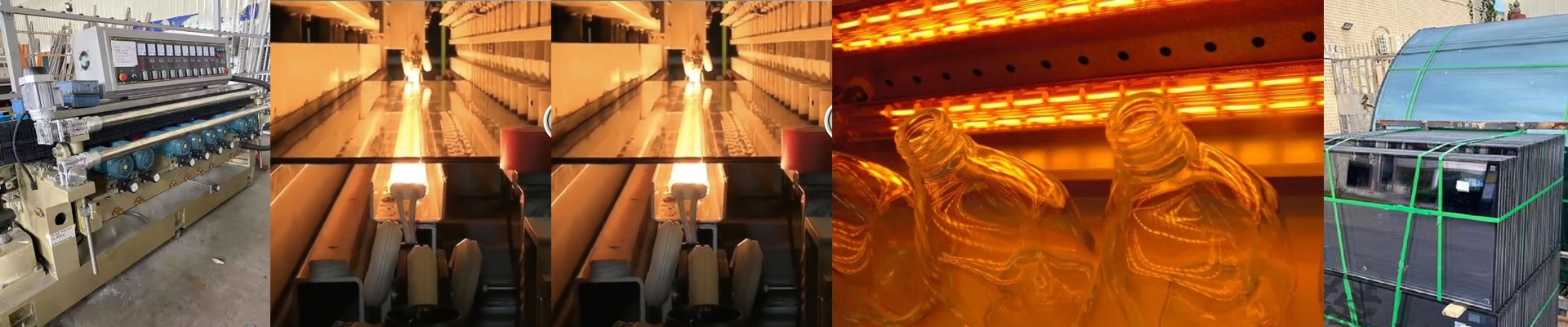
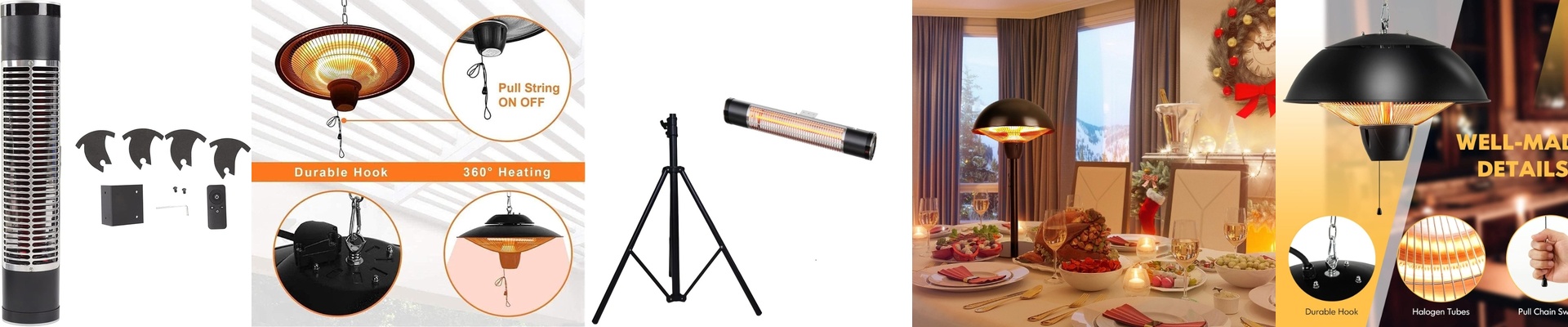
If you’ve ever run glass through a screen-printing line, you know the headache. You’re stuck in a bit of a deadlock during the tempering stage. Heat it too slowly? Your ink starts to bleed and blur. Heat it too fast? You’re looking at thermal shock or weird stress points across the pane. It’s a balancing act. To get it right, we use targeted infrared (IR) heating lamps to bridge the gap between the printing and the tempering. Getting the heat right It all comes down to how fast you ramp up the temperature. If those IR lamps hit the glass with too much energy too quickly, the solvent in the ink basically explodes. You end up with bubbles or those annoying little “pinholes” in your pattern. We set up these lamps to keep the heat flux under control. By playing with the wattage and the distance from the glass, you can warm up the surface without cooking the core. This keeps the ink looking crisp right up until the glass hits its softening point. Dealing with the stress Now, tempering only works if the surface cools faster than the center. That’s what creates that necessary compressive stress. But here’s the catch: if your heaters leave “hot spots,” your tempering becomes uneven. That’s why we stick with quartz-halogen tubes. They use a shortwave spectrum that sinks into the glass surface fast. Just make sure you’ve got precise PID controllers wired in. If your power starts fluctuating, your strength tests are going to fail. Plain and simple. The real-world trade-offs High-wattage lamps are great because they’re fast. But they’re power-hungry and they get hot—really hot. You have to make sure your cooling fans can actually handle the heat building up around the lamp housing. If the housing overheats, your lamps won’t last. It’s a constant trade-off between how fast you want the glass to move and how often you want to replace your bulbs. One last tip: keep your reflectors clean. A thin layer of dust can kill your efficiency by about 15%. When that happens, the temptation is to just crank up the voltage, but that’s a quick way to burn out your filaments.