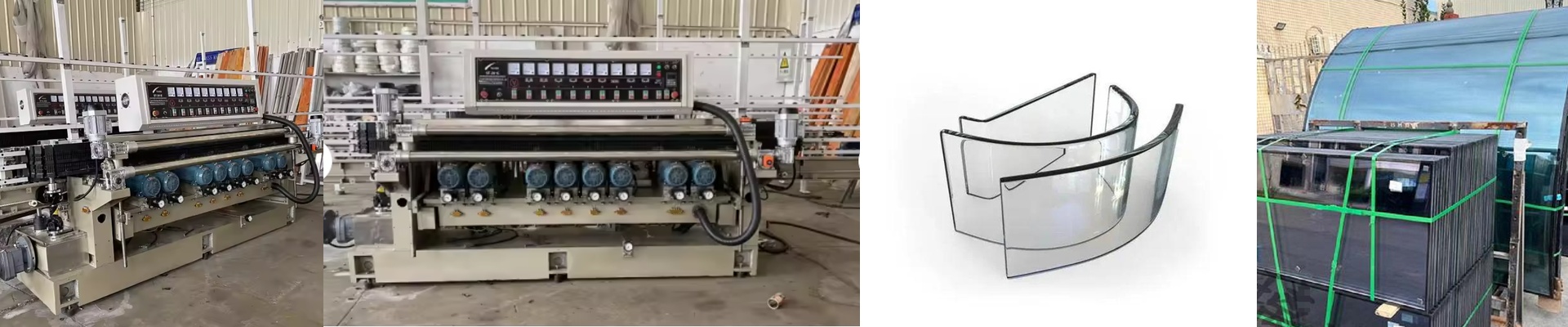
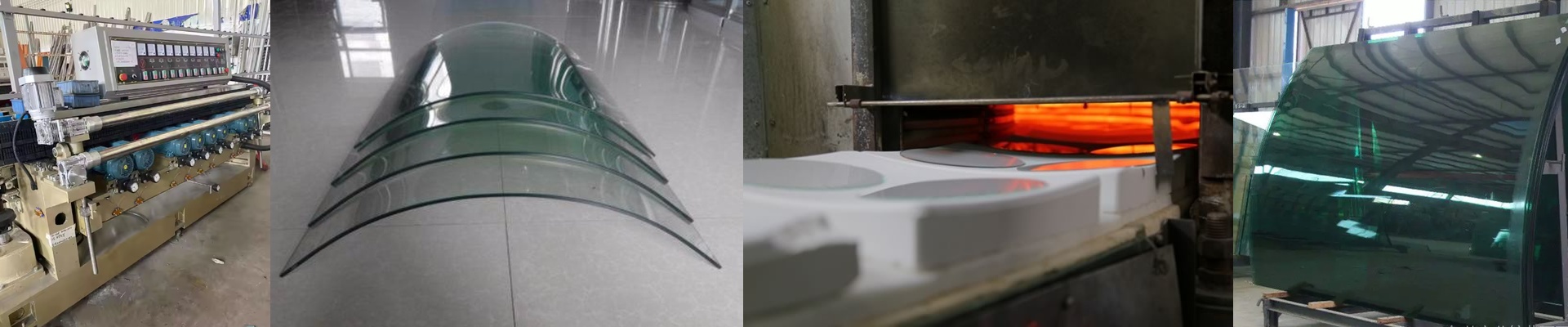
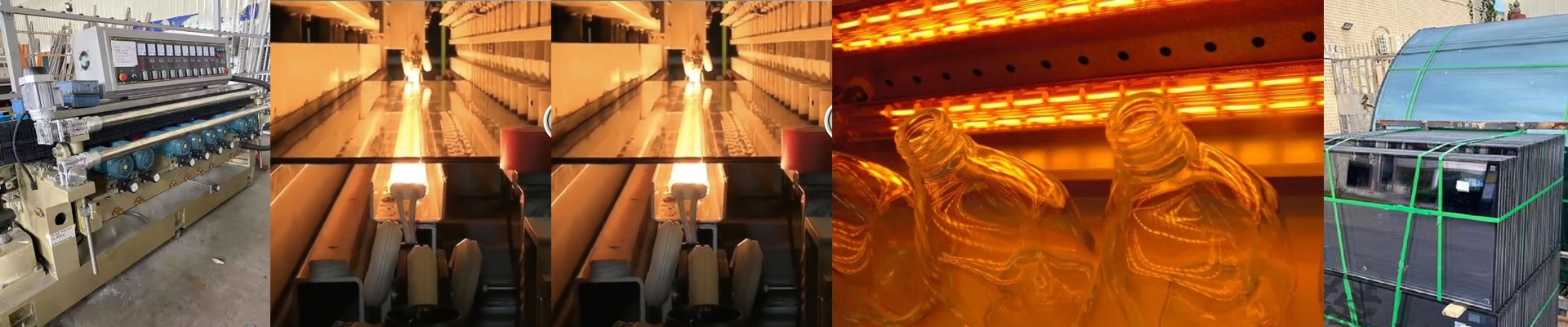

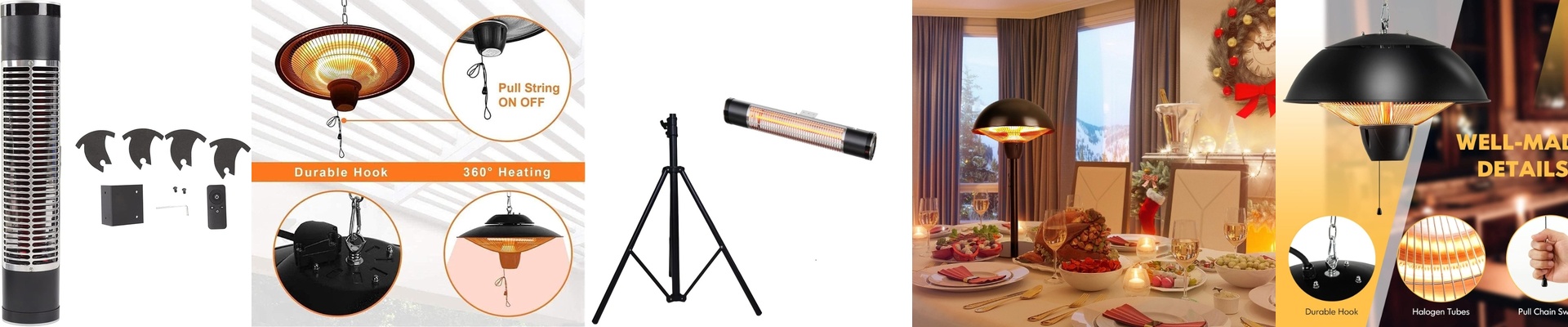
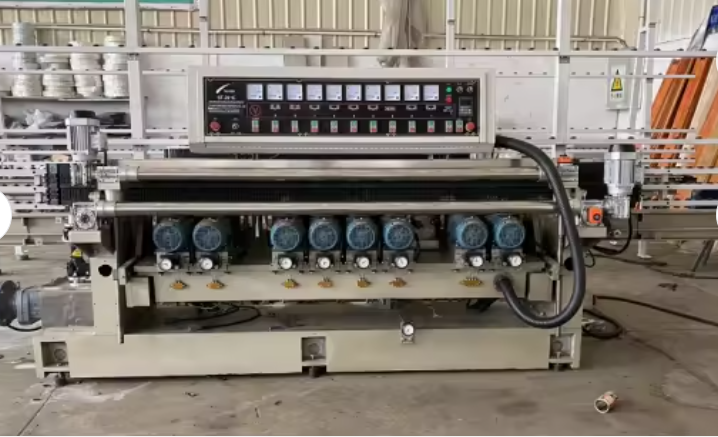
Cutting through ultra-thick glass is a nightmare for your equipment. If you try to score that kind of material cold, your cutting wheels just take a beating. They wear out fast, and you spend half your time swapping them out for new ones. It’s frustrating and expensive. We found a better way. Instead of forcing the wheel to do all the heavy lifting, we use shortwave infrared (IR) quartz heaters to soften the glass right along the cutting path before the wheel even touches it. How it actually works Most heaters just warm up the surface, which doesn’t do much for thick plates. But shortwave IR is different—it actually sinks deep into the glass. Think of it as prepping the material. We aren’t talking about melting the glass here, but we are changing how it behaves. By heating up that specific line, the glass becomes less stubborn. The cutting wheel doesn’t have to fight the material; it just glides through. The gear and the balancing act To make this happen, we use high-purity quartz tubes. They have to be tough because the heat density is intense. Most of our setups use a halogen-filled core to get the wattage high enough to affect thick glass in a matter of seconds. But you can’t just crank the power to the max. If you put too much wattage in too small a spot, you’ll end up with thermal shock or weird stress points in the glass. You also have to get your timing right. Your conveyor speed needs to match the “heat soak” time. If the line is moving too fast, the heat doesn’t penetrate deep enough, and you’re right back to square one with worn-out wheels. Why bother? When you put these heaters in your cutting head, the physical strain on the diamond wheel almost disappears. Your tools last way longer. Plus, the breaks are cleaner, and you don’t have to deal with those annoying chips on the edges. Sure, you’ll see a bump in your electric bill and the cost of the quartz lamps. But compared to the cost of constant downtime and expensive replacement wheels? It’s a trade-off that just makes sense.