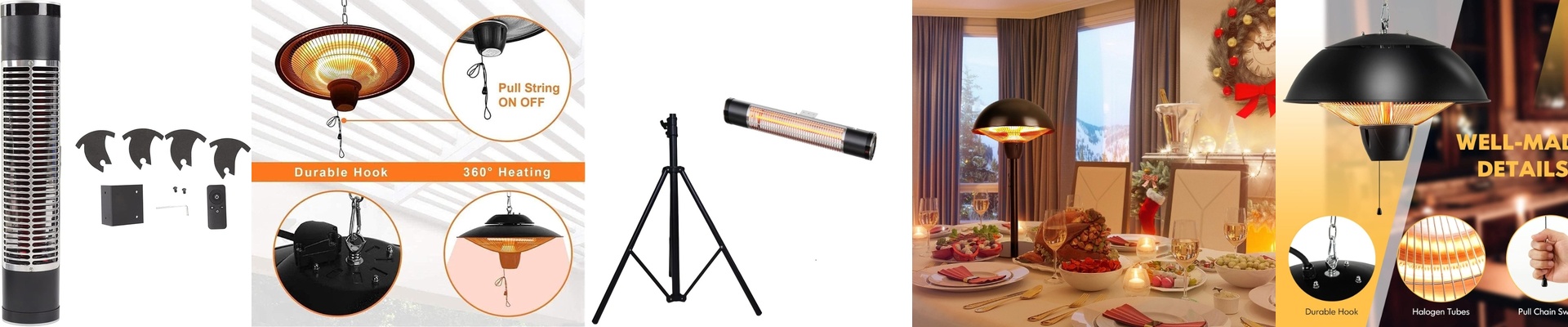
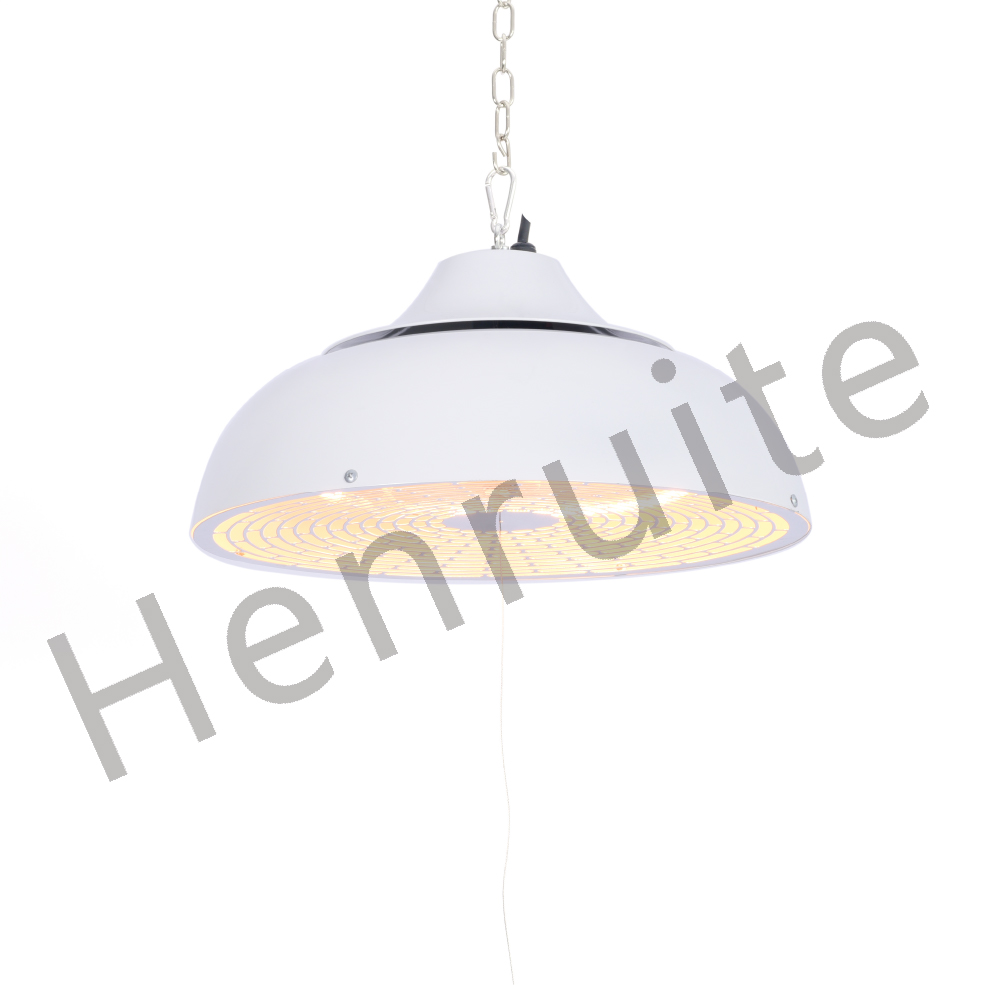
Keeping Things Safe: Infrared Heaters in Wet Zones
Let’s be honest: putting infrared lamps in a bathroom or a steamy sauna is a bit of a gamble if you don’t do it right. Water vapor is sneaky. It finds its way into housings and creates a path for electricity to jump from the heating element right into the chassis. That’s a recipe for a short circuit—or worse. You need a setup where there is a total, unbreakable wall between the power source and the person standing in the shower.
The Truth About IP65 and Insulation
People think hitting an IP65 rating is just about slapping some sealant on a box. It’s not. The real battle is where the heating element meets the power lead. Standard quartz tubes? They’re too fragile. They crack. In a humid bathroom, we use reinforced quartz glass with heavy-duty end-cap seals. This keeps the moisture from creeping into the tungsten filament chamber. We also use high-dielectric insulators at the contact points. Basically, it means that even if the outside of the casing is dripping with condensation, the current stays exactly where it belongs: inside the circuit. We test these units until they’re bulletproof so they don’t leak current into the ground.
The Hidden Trade-off
Here’s the thing about sealed systems: when you lock out the moisture, you also lock in the heat. If you cram a high-wattage element into a small, airtight space, the internal wires start to bake. Over time, they get brittle and snap. It’s a silent killer for electronics. To stop this, you can’t use standard “dry-room” wiring. You have to spec wires that can handle much higher temperatures, or the insulation will just give up.
Getting It Installed
We designed these to be simple drop-in replacements. No headache. But for real peace of mind, wire them up to a GFCI (Ground Fault Circuit Interrupter). Think of the IP65 seal as your first line of defense and the GFCI as your safety net. When you have both, you can enjoy the heat without worrying about a blowout the next time the room gets steamy.