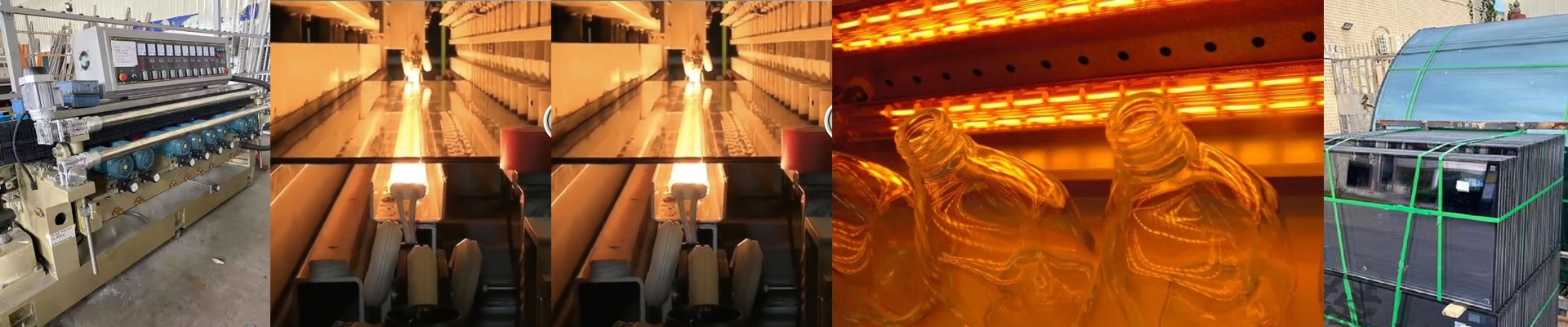
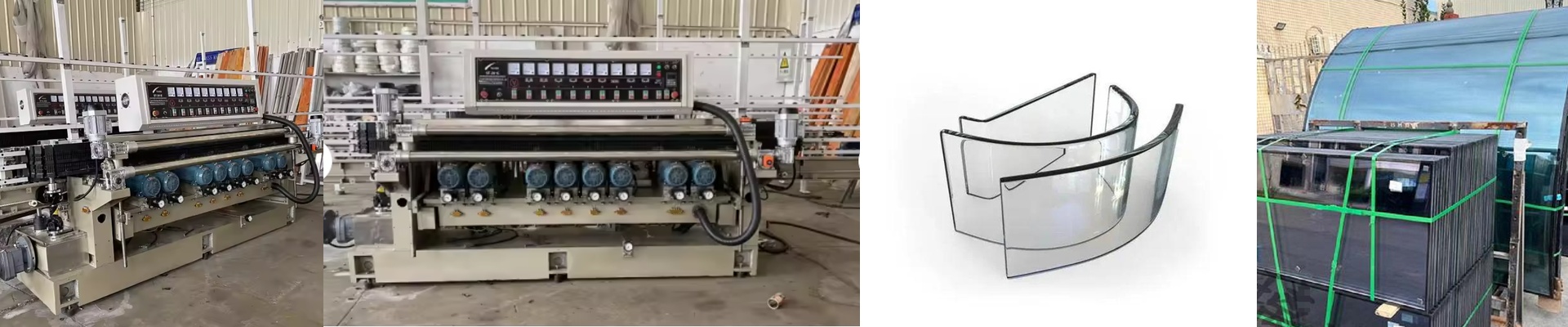
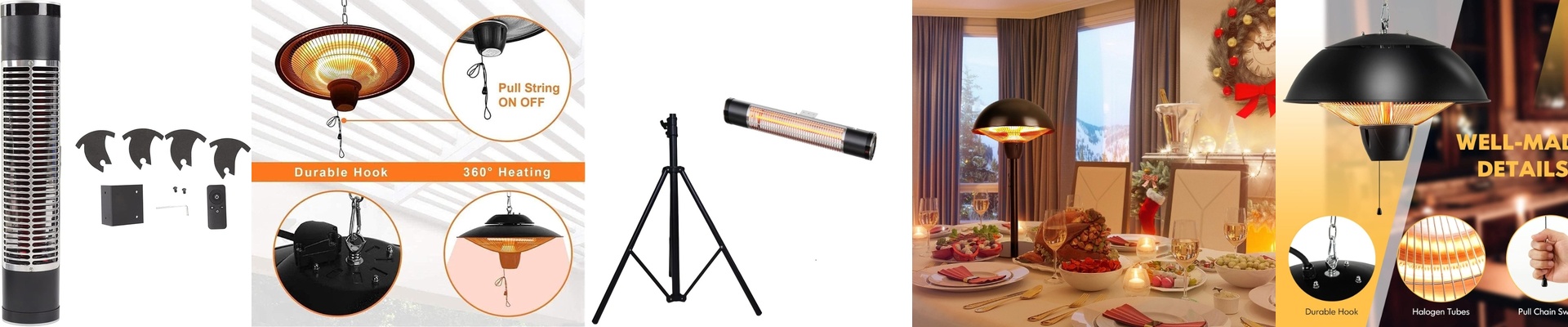
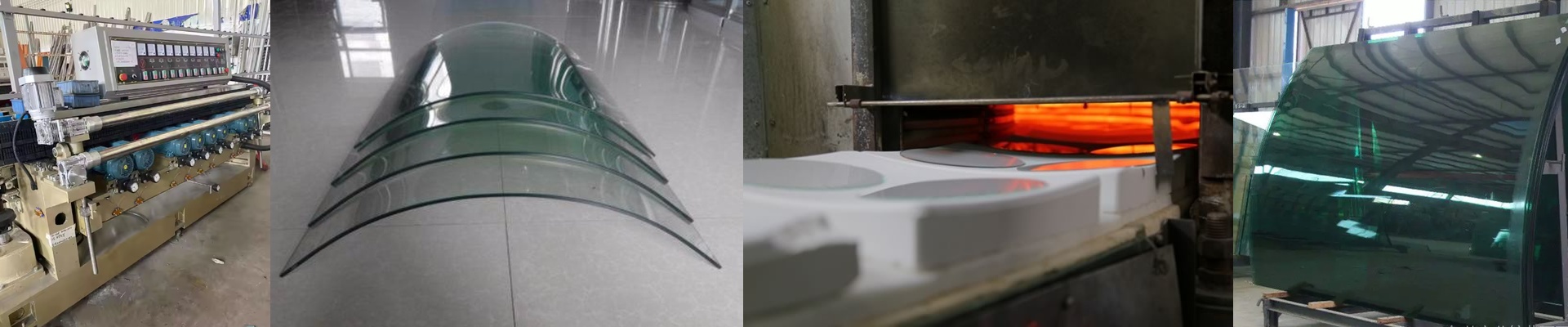
If you’ve ever tried to cut through ultra-thick Glass, you know the struggle. A sharp tungsten carbide wheel is a start, but it’s usually not enough. The glass is just too rigid. You end up with cracks jumping all over the place, and your wheels wear out way faster than they should. It’s frustrating. That’s why we use high-penetration infrared (IR) heating lamps. We aim them right at the score line to ease the surface tension before the blade even touches the glass. Why the heat matters Most heat lamps just warm up the surface, which doesn’t do much for a thick slab. We use shortwave IR emitters instead. Because they hit at higher frequencies, the heat actually sinks deep into the glass. It creates this little “soft zone” exactly where you want to cut. Instead of fighting the material, the wheel just glides through. It feels different. The break is cleaner, and you aren’t burning through your tools every few shifts. The setup (and a word of caution) We use quartz-halogen tubes because they can handle a constant heavy load without flaking out. But here’s the thing: to get that heat deep into thick plates, you have to pump in a lot of wattage. Just be careful with your housing. When you’re running these at full blast, things get hot—really hot. Make sure your cooling fans and shielding are up to the task, or you’ll end up warping your machine frame. Making it work on the floor Adding IR heating to your scoring head turns a mechanical fight into something much more controlled. You’ll see it in your scrap pile—or lack thereof. The score line stays consistent from start to finish. If you’re tired of spending a fortune on replacement tools, this is a great move. Just hook it up to a precision PID controller to keep the temperature steady. Do that, and the glass will snap exactly where you want it to. Every single time.