Why we’re ditching old bathroom light heaters for high-IP infrared
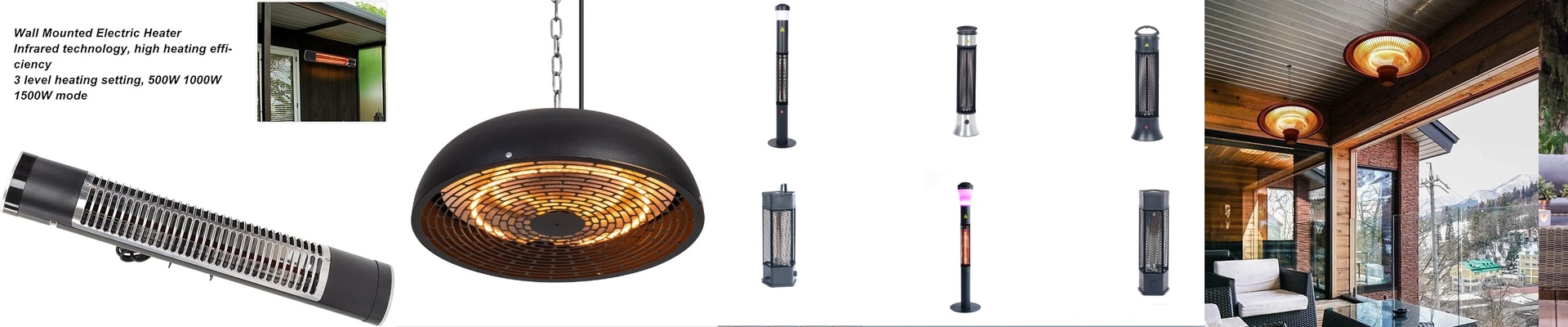
You know those old-school bathroom heaters? The ones with the glowing bulbs that feel like they’re trying to light up a landing strip? They’re a pain. They waste a ton of energy on light you don’t need, and the second a bit of steam hits them, they tend to give up the ghost. That’s why we’ve been moving toward high-waterproof infrared (IR) heaters. They just make more sense. The secret is in how the heat actually works. Most heaters try to warm up the air. But if you’ve got a drafty bathroom or a door left open, that warm air just vanishes. Infrared is different. It doesn’t bother with the air; it goes straight for you. It’s like stepping into sunlight on a cold day. The energy vibrates the water molecules in your skin and the tiles, so you feel the warmth the instant you flip the switch. It’s the only way to go if you’re putting a heater into a Mirror or the ceiling. Dealing with the steam Bathrooms are basically torture chambers for electronics. Between the humidity and the occasional splash, cheap heaters short out fast. To stop that from happening, we use quartz glass tubes with heavy-duty seals and high IP ratings. In plain English? The housing is tight enough that moisture can’t sneak in and fry the electrical terminals. And about that blinding light—we’ve fixed that too. By adding gold or aluminum coatings to the tubes, we can shift the energy. You get all the heat, but none of that “I’m being interrogated by a spotlight” feeling while you’re brushing your teeth. A few things to keep in mind There is a catch, though. You can’t just plug these into a random light socket. Because IR heaters pull a lot of power to get that “instant-on” feel, they need their own dedicated circuit. If you try to pigback them off a light switch, you’re asking for trouble. Make sure your wiring is beefy enough to handle the load. Also, remember that IR heat travels in a specific direction. It’s a beam, not a cloud. If you mount the unit too high or at a weird angle, you’ll end up with “cold spots” where you’re shivering while the ceiling gets toasted. When you’re planning the renovation, take a second to map out exactly where you’ll be standing. You want the warmth hitting your shoulders, not the drywall.