
Stop Fighting Your Power Grid: Getting Infrared Heating Right
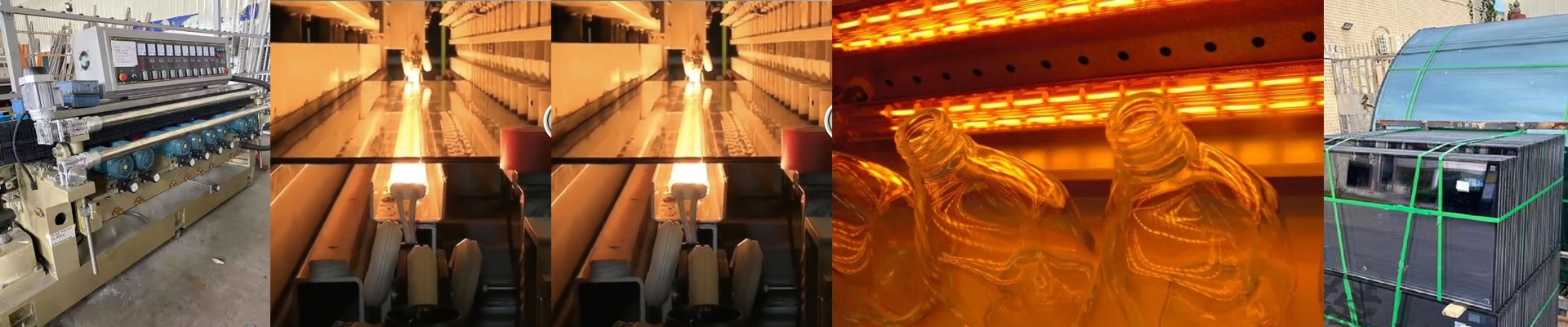
If you’ve ever tried to roll out a production line across different countries, you know the nightmare. You spec everything perfectly, only to realize the power grid in the new plant is a total mess compared to the home office. Here is the reality: if you plug a lamp designed for a 110V US plant into a 480V or 575V industrial circuit, it isn’t going to work. It’s going to pop. Instantly. We’ve all seen people try to fix this with those bulky step-down transformers. They’re heavy, they take up way too much space, and they’re usually the first thing to break when you actually need the machine running. We figured there was a better way, so we just build our fast-response lamps to match the local voltage from the start. It’s more than just a label. You can’t just slap a different voltage sticker on a lamp and call it a day. To keep the heat output the same whether you’re running 110V or 575V, we have to actually change the guts of the lamp. We tweak the length and thickness of the resistive filament. If the filament geometry isn’t exactly right for the voltage, you’re in trouble. Too low? You’ll never hit your target temperature. Too high? The filament snaps like a dry twig. Making it fit (and stay fast) We use quartz glass and halogen gas fills because we know you need these things to heat up and cool down fast. No lagging. And we keep the footprints standard. Whether you’re using R7s or Sk15 connectors, they slide right in. We make sure the fit is tight because at high voltages, any gap is just an invitation for arcing. Plus, if you’re worried about overheating the machine frame while trying to hit a specific material, we can coat the lamps to shift the emission spectrum. It lets you put the heat exactly where it belongs. A quick word of caution There is a bit of a trade-off here. High-voltage lamps (480V+) are great because they draw less current. That means you can get away with thinner wiring throughout your machine, which saves a lot of hassle during assembly. But there’s a catch. Higher electrical potential means your insulation has to be top-notch. Check your sockets. Double-check your wiring. If your connectors aren’t seated perfectly at 575V, you’re going to see arcs that will eat the ends of your lamps for breakfast. Just make sure your hardware is actually rated for the voltage you’re ordering before you flip the switch.