
Why Your Bathroom Mirror Needs a Heater (And How It Actually Works)
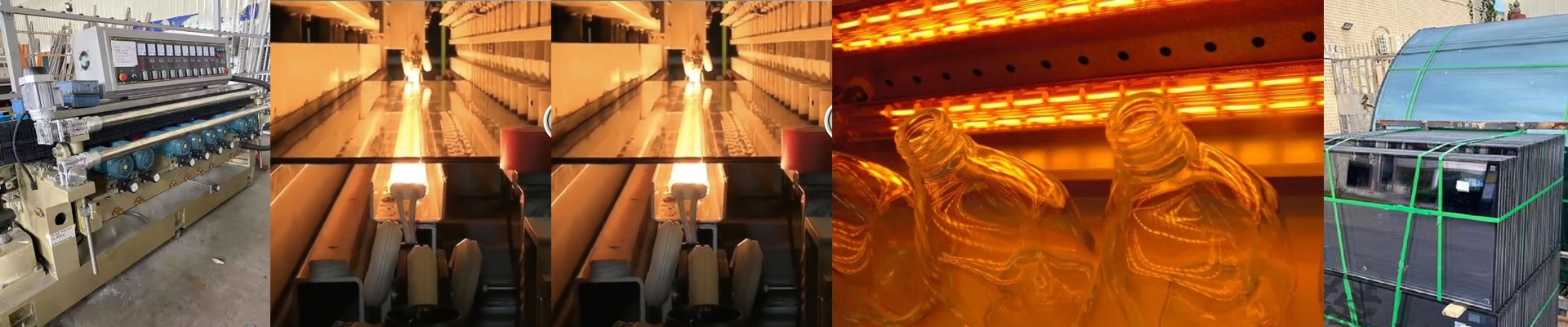
Ever step out of a steaming hot shower only to be hit by a wall of freezing bathroom air? It’s the worst. That’s exactly why we put infrared heaters right into the mirror. Most heaters try to warm up the air in the room, which takes forever. These are different. They use shortwave infrared tech to send heat straight to your skin. You don’t have to wait for the room to warm up—you feel the heat the second you turn it on. The science bit, made simple We use quartz heating elements to create these waves. Think of it like the sun hitting your face on a cold winter day. The air around you is still chilly, but you feel that deep, cozy warmth instantly. Because the heating element is so small, we can tuck it right behind the mirror. No bulky vents, no loud fans, and no ugly ductwork ruining your bathroom’s vibe. What’s actually inside? Under the hood, there’s a tungsten filament inside a high-purity quartz tube. We even add a special coating to the glass so the heat absorbs better into your skin. If a bulb ever burns out, it’s an easy fix—we use snap-in connectors so you can just pop a new one in without a headache. But here’s the catch: these things gethot. Really hot. That’s why we use tempered glass and heat-resistant gaskets. If you just slapped a heater into a cheap frame, the mirror would expand and crack as it heated up and cooled down. You’ve got to build it to breathe. A few things to keep in mind Putting electricity and water in the same room is always a bit nerve-wracking. To keep things safe, you need IP-rated enclosures and GFCI protection. Basically, you want to make sure a little steam doesn’t cause a big short circuit. Also, keep an eye on your power. These heaters pack a punch and pull a decent amount of wattage. If you’re running the heater, a hair dryer, and a fancy light fixture all on one circuit, you might find yourself tripping the breaker. Just a heads-up to check your load before you install.