Stop Fiddling With Individual Lamps: The Case for Turnkey Infrared Modules
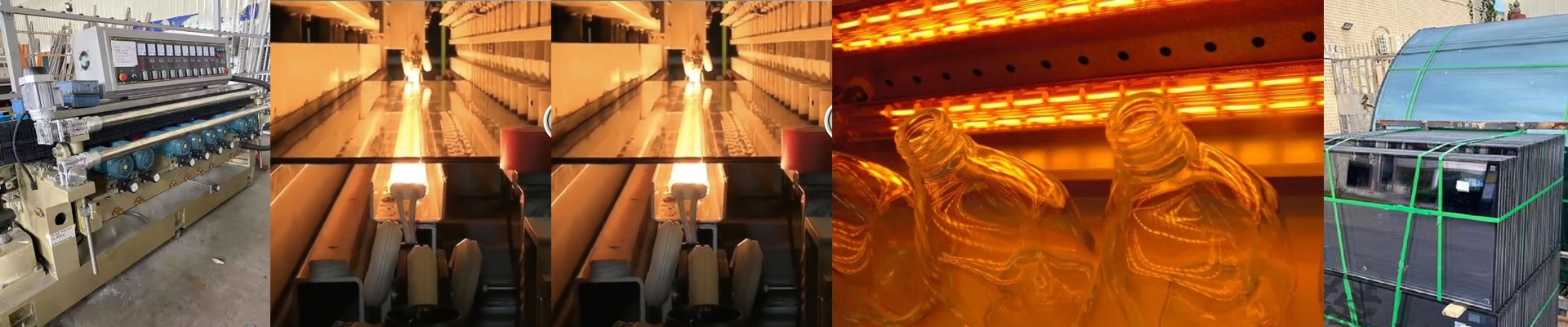
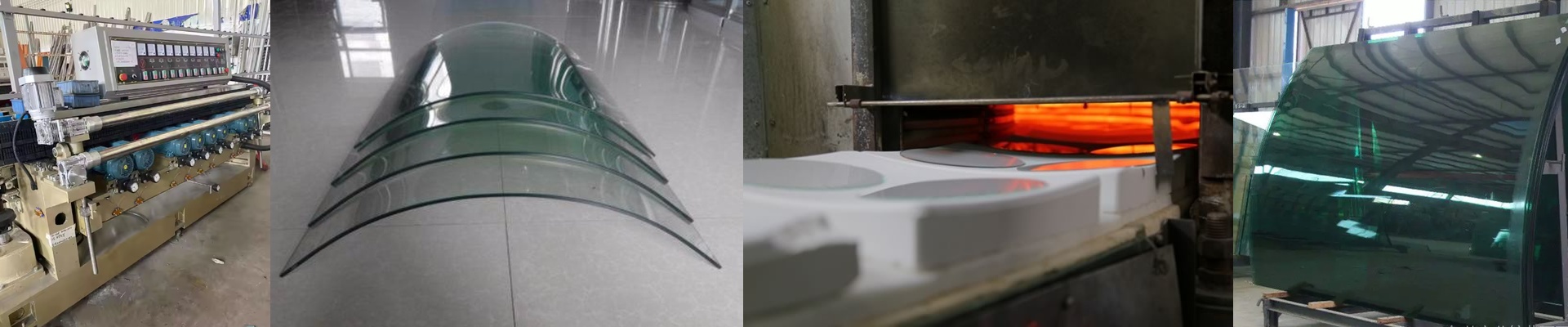
Let’s be honest: buying individual infrared lamps is a headache. You get the tubes, but then the real work starts. Your team has to hunt down the right reflectors, mess around with the wiring, and spend hours manually aligning everything. It’s tedious, it’s slow, and it’s a lot of room for error. We figured there was a better way. Instead of leaving that mess for your shop floor, we do it all at our factory. We build complete, curved heating modules specifically for safety glass cutting. You just drop them in.
Why Modular Actually Matters
Think about what happens when you’re cutting safety glass. If the heat isn’t perfectly even, you get stress fractures. Simple as that. That’s why we stopped thinking about “lamps” and started thinking about “systems.” We build these modules with the reflectors and wiring already baked in. No more wasting an entire afternoon on alignment. No more guessing if the spacing is right. You just install the module and get back to actually moving product through your line.
The Nitty-Gritty Stuff
We use shortwave infrared because it hits the glass fast and hard. The curved shape isn’t just for looks—it’s engineered to push all that thermal energy exactly where the cut is happening. And we handle the boring (but critical) math. Voltage drops, amperage calculations—we’ve already done the homework. When the module arrives, it’s already been wired and tested. We use industrial-grade connectors, too, so you don’t have to worry about things shaking loose when the machines start humming.
A Quick Word of Caution
Here’s the thing: these modules pack a massive amount of energy into a small space. They get hot.Really hot. If your cabinet ventilation is weak, you’re basically building an oven for your control electronics. You don’t want that. We’ll give you the exact thermal output data so you can make sure your cooling fans are up to the task. The trade-off is worth it. You get rid of those annoying “cold spots” that happen when lamps are spaced poorly by hand. You get a consistent heat profile, a faster setup, and a lot less stress for your team.