
Why we use gold-coated emitters for glass annealing
In a glass plant, stopping the line is a nightmare. When you’re running 24/7, the annealing stage usually becomes the bottleneck. Most heating elements are just too sluggish; they take forever to get up to temp. That’s why we lean on gold-coated shortwave infrared (SWIR) emitters. They’re just faster. Period.
The trick with the gold coating
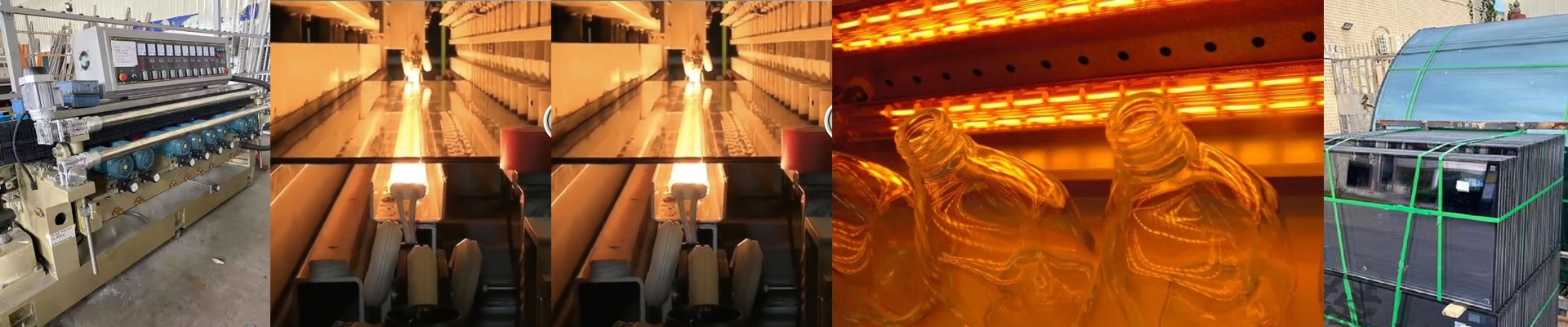
Here is how it works. A standard quartz lamp wastes a ton of energy because the heat just leaks out through the glass envelope. To fix that, we wrap the quartz tube in a thin layer of gold. Think of it like a mirror. Instead of the heat scattering everywhere, the gold bounces that infrared radiation straight toward the glass you’re actually trying to heat. You end up with a concentrated beam of energy. It hits the surface hard, which means you don’t have to crank the voltage to dangerous levels just to get the job done. It’s smarter, it’s more directional, and it keeps your power bill from skyrocketing.
Speed and precision
Annealing is all about getting rid of internal stress in the glass without messing everything up. Shortwave radiation is great for this because it dives straight into the glass. It doesn’t waste time trying to heat up the air around the piece first. We build these emitters to be snappy. You can flick them on and off in milliseconds. This is where it gets useful for your PLC. You can tweak the heat in real-time as the glass slides down the conveyor. If the line speeds up, the emitters just hit harder to compensate. It’s a much more fluid way to work.
The trade-offs (The “Gotchas”)
Now, all that heat density comes with a catch. These lamps gethot. If you cram them into a chamber without enough breathing room or proper shielding, you’re going to have a bad time. You’ll warp your housing or fry your wiring. You’ve got to make sure your cooling system can handle the heat that the gold coating doesn’t catch. And one more thing: keep an eye on your power supply. Voltage spikes are the enemy of the tungsten filament. If you’re pushing max wattage around the clock, a steady power source is the only way to keep these things from burning out early.