Introduction
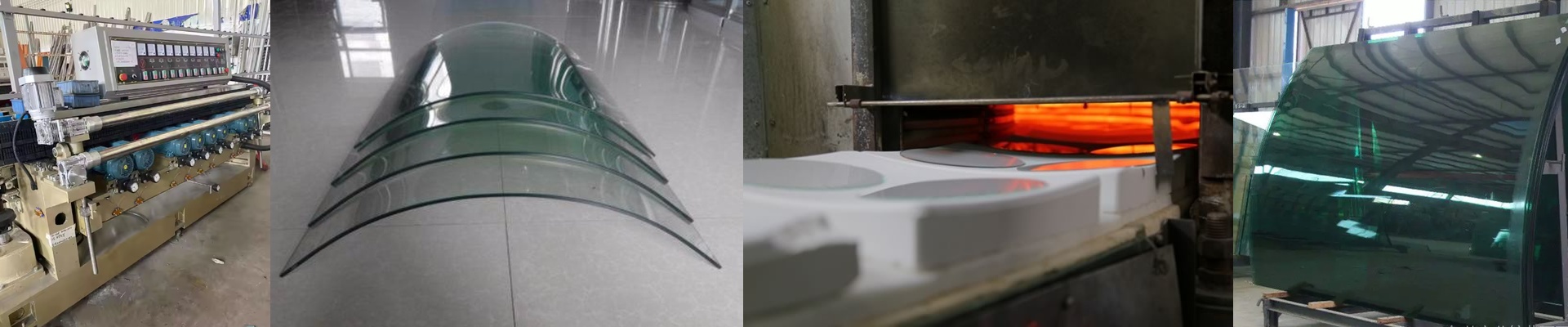
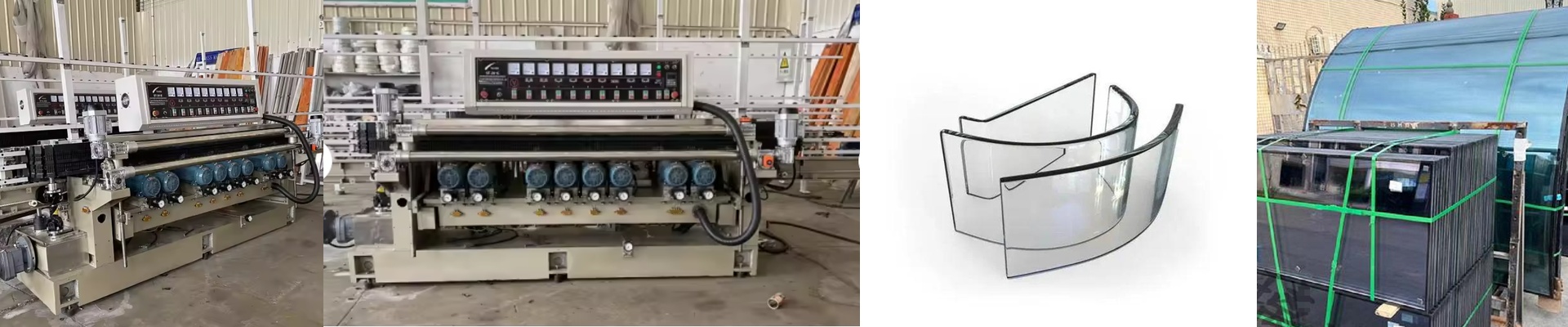
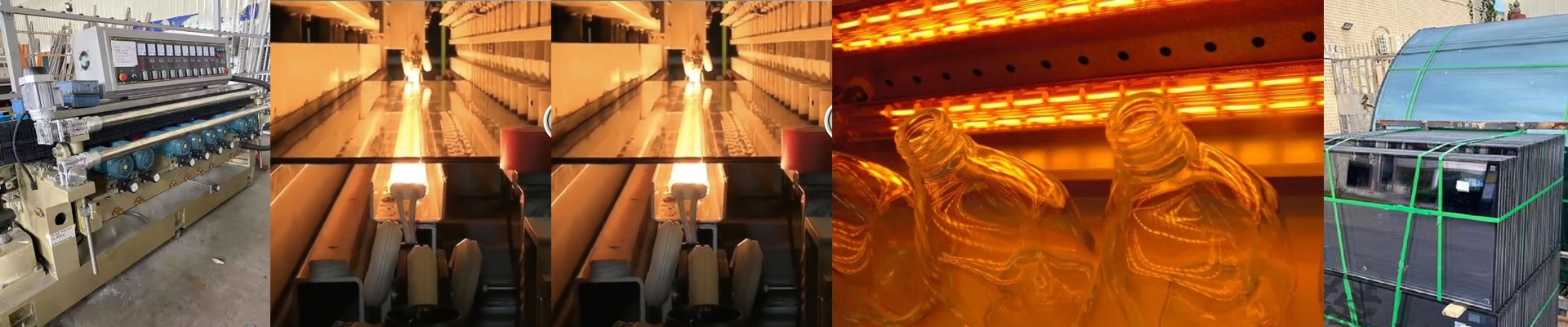
Ever tried tempering glass and held your breath, hoping it won’t crack? That moment of tension is real. Here’s the thing: we built a system to take that worry off the table. We paired custom thermocouples with infrared heating lamps, all designed for the intense environment of a glass kiln. The result? You get instant, precise power when you need it, so the glass cools fast and evenly. No more guesswork. Just steady, reliable tempering.
Power and Responsiveness: The Heartbeat of the Process
What makes this work is speed. The infrared lamp can change its power in a heartbeat. When you’re running an instant tempering cycle, the lamp has to jump up or back down in seconds, matching the glass’s needs. The thermocouple is the eyes and ears of the operation. It feeds live temperature data to the control unit, so power shifts happen immediately. That quick reaction keeps the temperature from swinging too far, which is exactly what protects delicate glass from stress. It feels like the system is reading your mind—and the glass—one heartbeat at a time.
Built to Handle the Heat Shock
These lamps are tough. They use a quartz envelope and halogen elements to blast out intense heat that responds instantly when you adjust the power. Quartz doesn’t crack under sudden temperature changes, which is essential when you’re constantly switching between heating and cooling. And the connectors? They’re built for high-current, heavy-duty use. That means the power stays stable, even when the system is switching fast. Less downtime. Fewer interruptions. Just a smooth, uninterrupted heating cycle.
Real-World Wins on the Production Floor
On your kiln line, this setup means fewer pieces ruined by thermal shock. Because the power adjusts so fast, you can run shorter tempering cycles without overheating the glass. That boosts your throughput—more pieces out the door, faster. It’s also efficient. The system only uses the power it needs for each stage of the cycle, so you’re not wasting energy. Now, one thing to keep in mind: the lamp runs hot, and it needs a cooling system that can keep up. If your kiln’s cooling can’t match the heat, the lamp won’t last as long. But when the kiln is matched to the system, you get tempering that’s consistent, repeatable, and just plain reliable.