Getting Your Glass Annealing Right After Printing
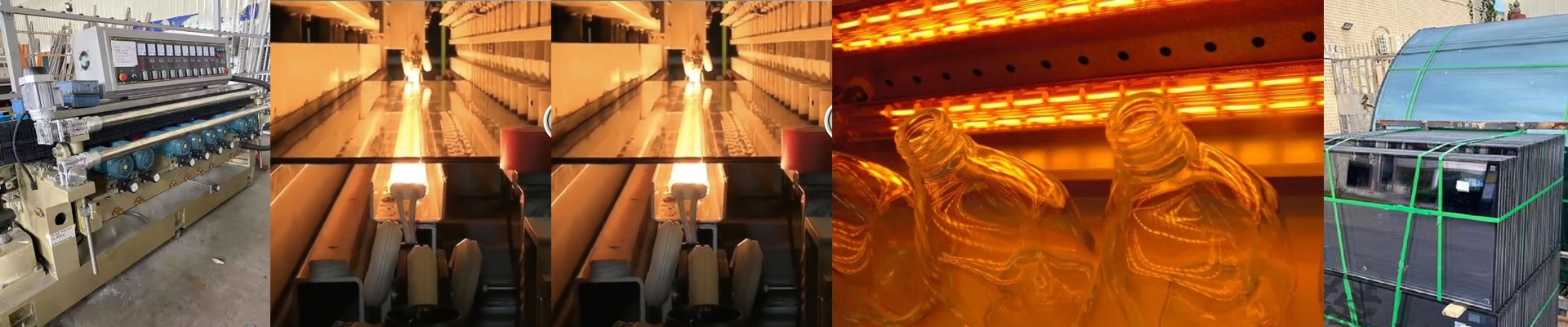
Here is the struggle when you’re running glass bottles through a screen-printing line: you’re fighting a thermal war. You need enough heat to bake the ink and get rid of those internal stresses—the annealing part—but if you push it too far, you’re in trouble. The pattern bleeds, the glass warps, and suddenly you’ve got a pile of scrap. We handle this by using targeted infrared (IR) lamps inside an integrated furnace. It’s all about balance.
The Balancing Act
The trick is hitting that annealing point without scorching the surface. We stick with short-wave IR emitters because they punch through the glass much faster. It’s a huge advantage. You can heat the actual wall of the bottle to relieve stress while keeping the surface cool enough that the ink doesn’t degrade. If the heat is too low? You get cold spots, and the bottle eventually cracks. Too high? Your crisp lines turn into a blurry mess.
The Gear
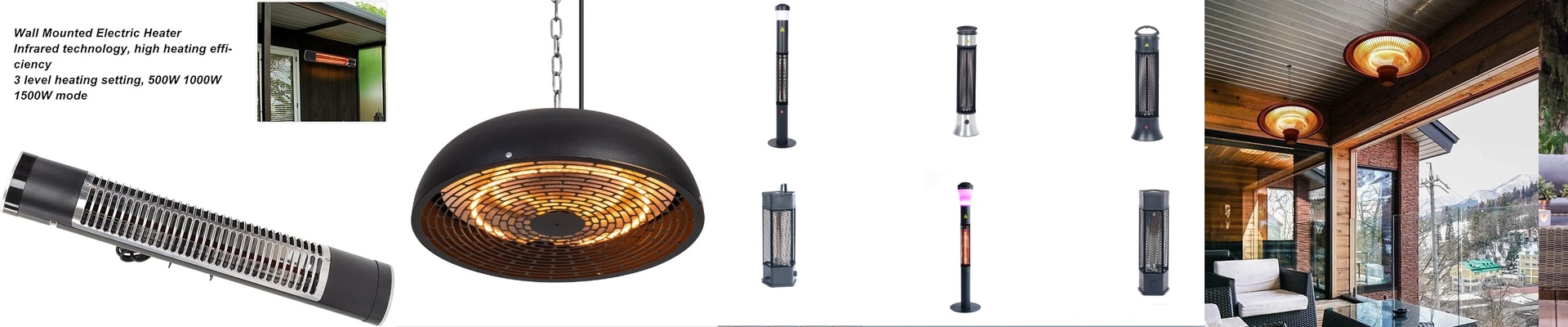
We usually build these furnaces with high-wattage quartz halogen tubes. Think of it this way: the power density is what dictates how fast the bottle hits that “soak” temperature. You have to match your wattage to your line speed. If you speed up the conveyor, you need more juice. Otherwise, the bottles fly through the tunnel and come out under-processed. And because these things run 24/7, we use reinforced quartz envelopes. They take a beating. Just a heads-up: make sure your electrical panels can handle the initial current spikes when these arrays kick on. They’re hungry for power.
The Real-World Trade-offs
Look, there’s no such thing as “set it and forget it” here. If you crank up the IR intensity to push more bottles through the line, the inside of the furnace gets hotter. That puts a lot more pressure on your cooling fans and wears out your lamp connectors faster. It’s a constant dance. You’re tweaking the conveyor speed, the wattage, and the zone temperatures to make sure the glass stays strong and the art stays sharp.