Stop Messing Around with Single IR Tubes
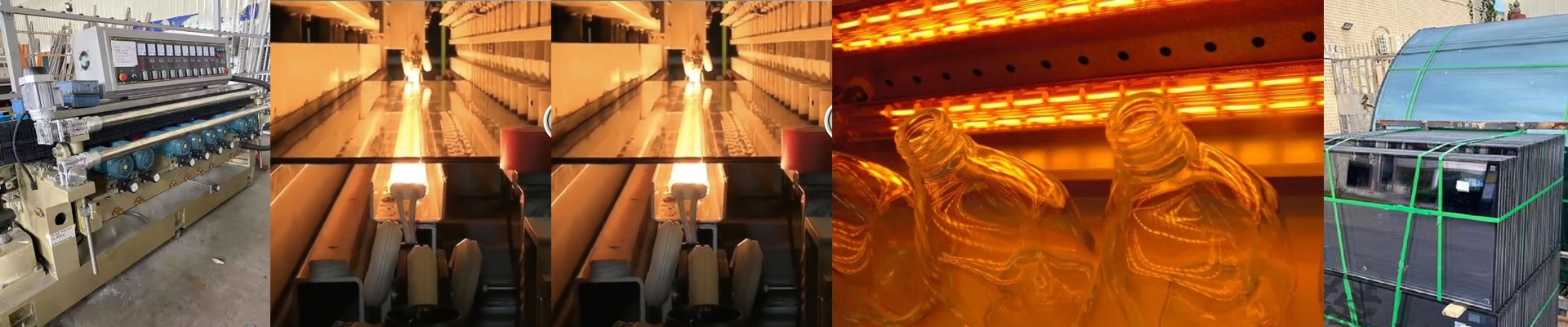
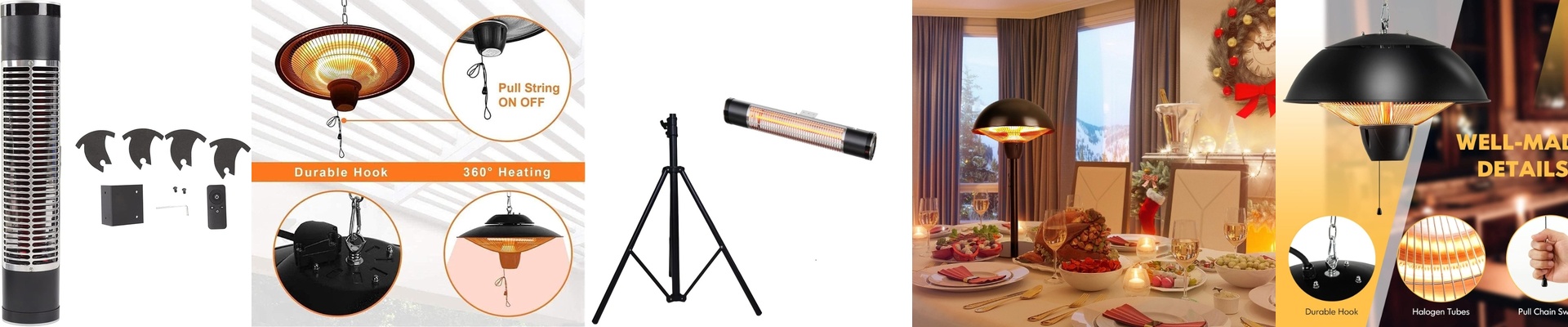
If you’ve ever had to replace individual infrared lamps in a train window annealing line, you know it’s a total nightmare. You’re staring at a mess of wires, wondering why one heat zone is colder than the rest, and watching the clock tick while your production line sits dead. It’s frustrating. We decided there’s a better way. Instead of selling you a box of parts and wishing you luck, we build integrated, curved heating modules.
Why go modular?
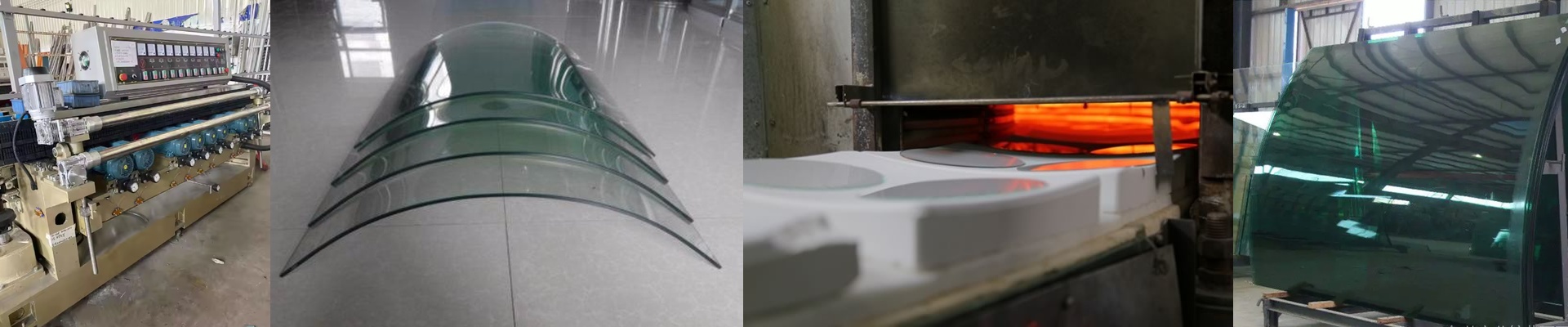
Here’s the thing: single lamps leave way too much to chance. When we build a curved module, we handle the geometry and the power density right here in our shop. Train glass is picky. If the thermal gradient is off, you get internal stress or—even worse—the glass distorts. So, we pack the quartz tubes, the reflectors, and all the wiring into one solid chassis. You aren’t wiring up a dozen different lamps anymore. You just plug in the module and get back to work.
The technical side of things
We use short-wave infrared because it actually gets deep into that thick rail glass. Now, the high wattage means you get your heat fast, but it does put a bit of a strain on your power supply. Just a heads-up: make sure your control cabinets can handle the current draw. You don’t want to be tripping breakers right when you’re hitting peak heating.
Saving your sanity on the shop floor
A turnkey module is basically a “drop-in” fix. Your technicians don’t have to spend hours squinting to align lamps or fiddling with reflectors on the fly. We handle the bending radius and the electrical terminations before it ever leaves our facility. It turns a job that used to take days into something you can knock out in a few hours.That’s a lot of time won back.
The honest trade-off
I’ll be straight with you—modular systems aren’t perfect. You lose a little bit of flexibility. If one single tube burns out, you can’t just pop that one out in two seconds; you usually have to pull the whole module or use a specific access port. But we’ve balanced that out by over-engineering the connections. These things are built to take a beating in a real factory environment without falling apart.