Dealing with Temperature Dead Zones in Glassware
Ever had a piece of glassware shatter for no apparent reason? It’s frustrating. Usually, the culprit is a “dead zone.” If you’re working with tricky shapes—think narrow necks or deep, heavy bases—standard kilns just can’t keep up. The hot air doesn’t always reach those tight spots, leaving you with uneven stress and, eventually, a mess of broken glass on the floor. We’ve found that shortwave infrared (IR) lamps are the way to go here.
How to actually get the heat in there
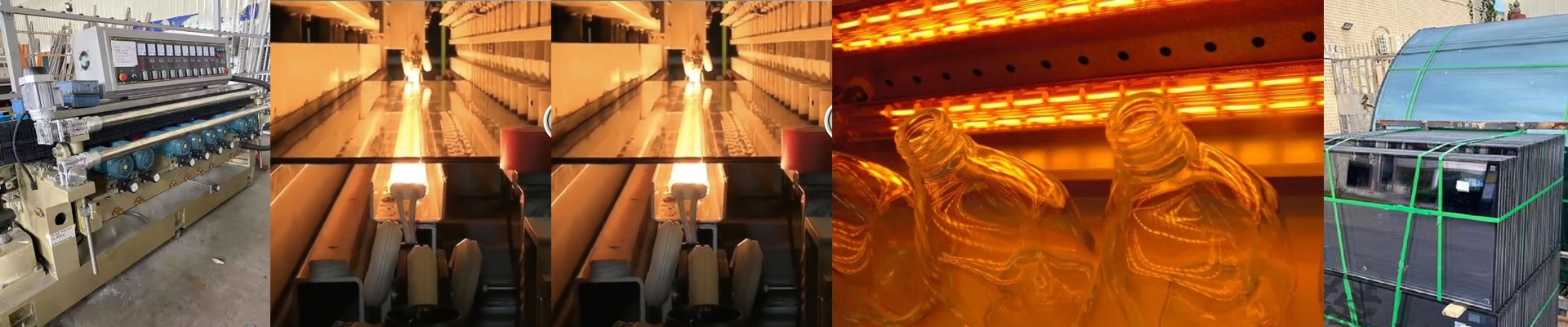
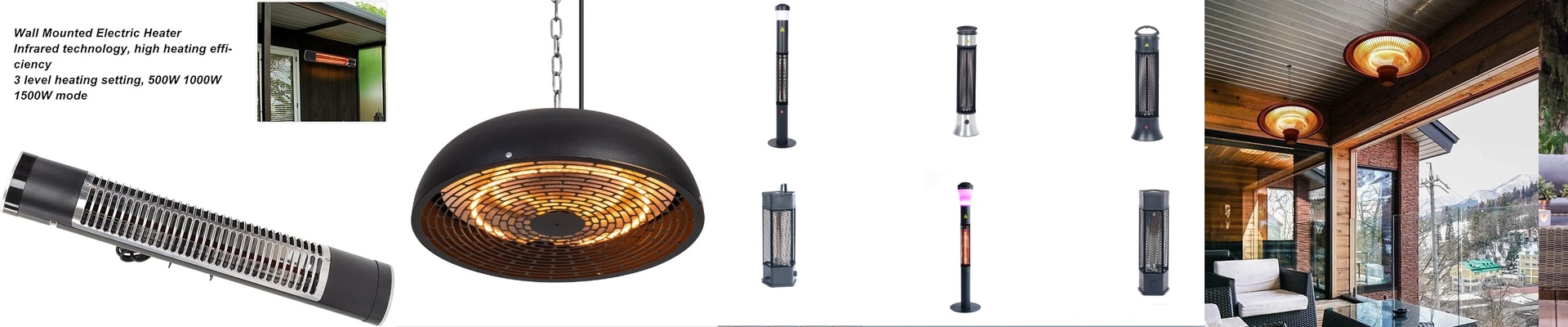
Standard heating elements rely on air moving around. But IR lamps? They’re different. They send out radiation that hits the glass directly. For those high-gloss finishes or weird geometries, we use lamps with a wide emission angle. It basically lets the heat “wrap” around the curves of the glass. The trick is to set these lamps up in a multi-angle array. By hitting the piece from a few different directions, you kill off those cold spots that usually hide in the shadows of the vessel.
Picking the right gear
We usually stick with high-wattage quartz halogen tubes. Quartz is great because it can handle screamingly high temperatures without the bulb itself melting. One thing to watch out for: your power grid. Make sure your voltage matches your plant—usually 220V or 380V. If you don’t, you’ll deal with voltage drops across your lamp runs, and nothing works the way it should. And please, don’t cheap out on connectors. We use R7s or Sk15 bases. Why? Because they can handle the constant expanding and contracting of the tube. If a connection gets loose, it’ll arc and fry your socket. Not a fun way to spend a Tuesday.
The trade-offs
Here’s the thing: high-density IR arrays are fast. Really fast. It can seriously shave time off your cycles. But there’s a catch. Because the heat is so intense, you can easily create “hot spots” if the glass is sitting too close to the lamp. You’ve got to play with the distance until the surface temperature stays right where it needs to be for annealing. If you just crank up the wattage without checking your footprint, you risk warping the glass. It’s a balancing act, but once you nail it, it works beautifully.