Stopping Glass from Cracking During Tempering
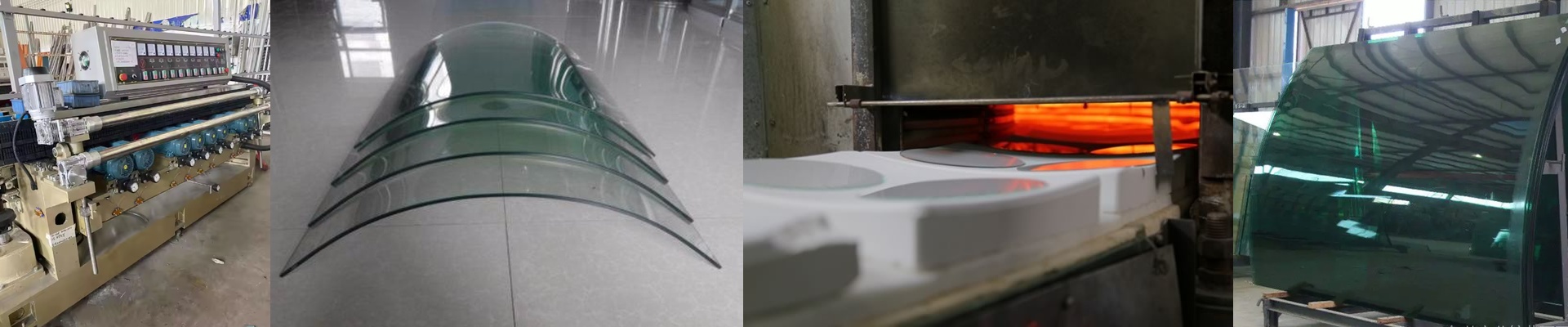
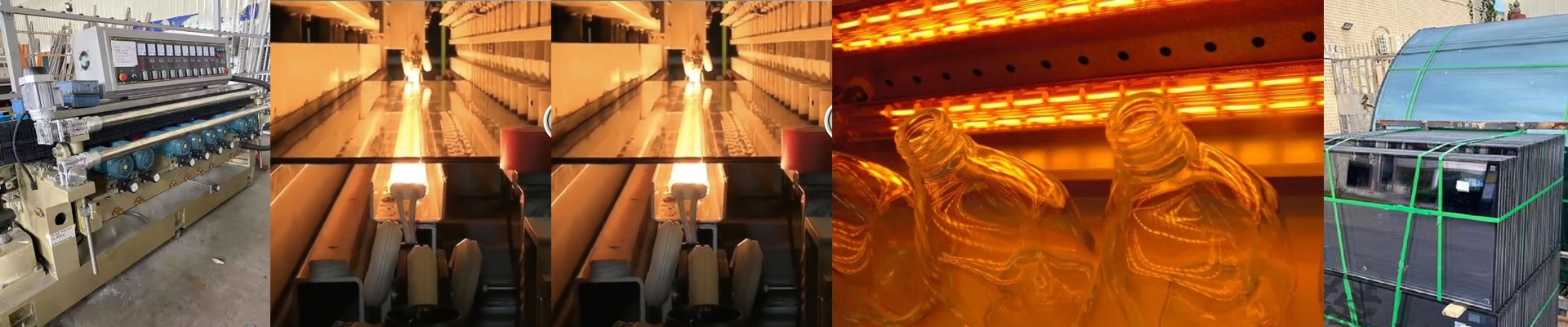
Ever had a piece of glassware just… snap? It’s frustrating. Usually, it happens because the temperature jump was too aggressive. If you blast the surface with heat too fast or cool it down too abruptly, the glass can’t keep up. That’s when you get those nasty cracks that kill your yield. To fix this, we use shortwave infrared (IR) lamps. The magic here is speed. We can tweak the power in milliseconds, which keeps the glass happy and prevents that thermal shock from ruining your day.
Why Fast Power Control Matters
Here is the thing about IR lamps: they don’t bother heating up the air around the glass. They hit the surface directly. It’s immediate. But that speed is a double-edged sword. You need a lamp that listens to your PID controller instantly. We go for high wattage-to-length ratios so we can hit that softening point quickly, but you’ve got to be able to throttle that power back. If your power supply lags even for a second when the glass hits its target temp, you’re in trouble. The surface gets too hot while the core is still cold. That gap is exactly where the stress fractures start.
The Gear and the Trade-offs
We stick with quartz-halogen tech. Quartz is the way to go because it doesn’t warp when things get scorching. We usually wire them with R7s or Sk15 connectors—mainly because they stay put even when the molding line is vibrating like crazy. Now, high-wattage tubes get the job done, but they’re hungry. A 2000W+ tube is a beast, and it’ll burn out way faster if your voltage is bouncing around. Make sure your transformers are matched exactly to the lamp’s voltage, or you’ll be replacing filaments way more often than you want to.
Making it Work on the Floor
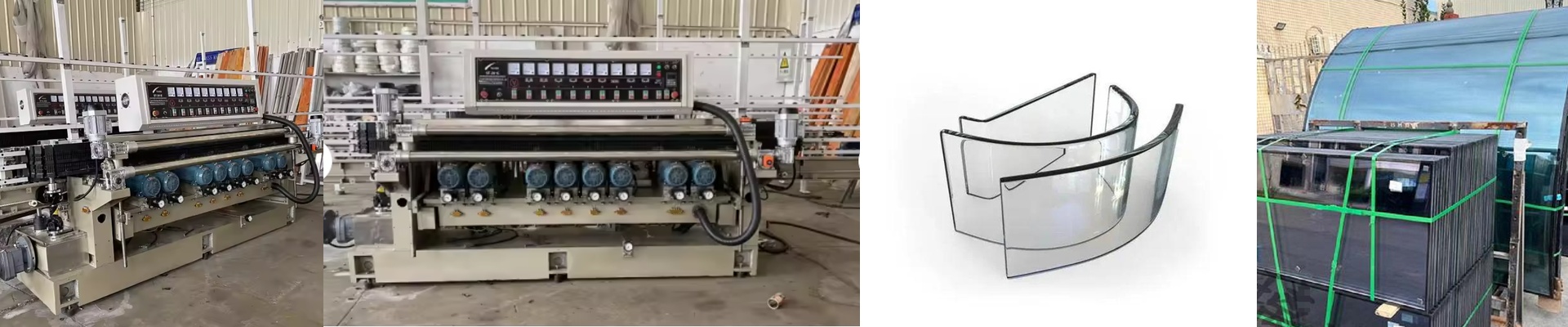
We drop these lamps right into the molding line to heat specific spots. It’s a lot easier than dealing with slow, clunky heating elements. Want more heat? Just move the lamp closer. Want less? Back it off. Just a heads-up: the more heat you pump into the glass, the harder your cooling fans have to work. If you forget about the airflow, you might find your lamp housing starting to melt. Not a great look.