
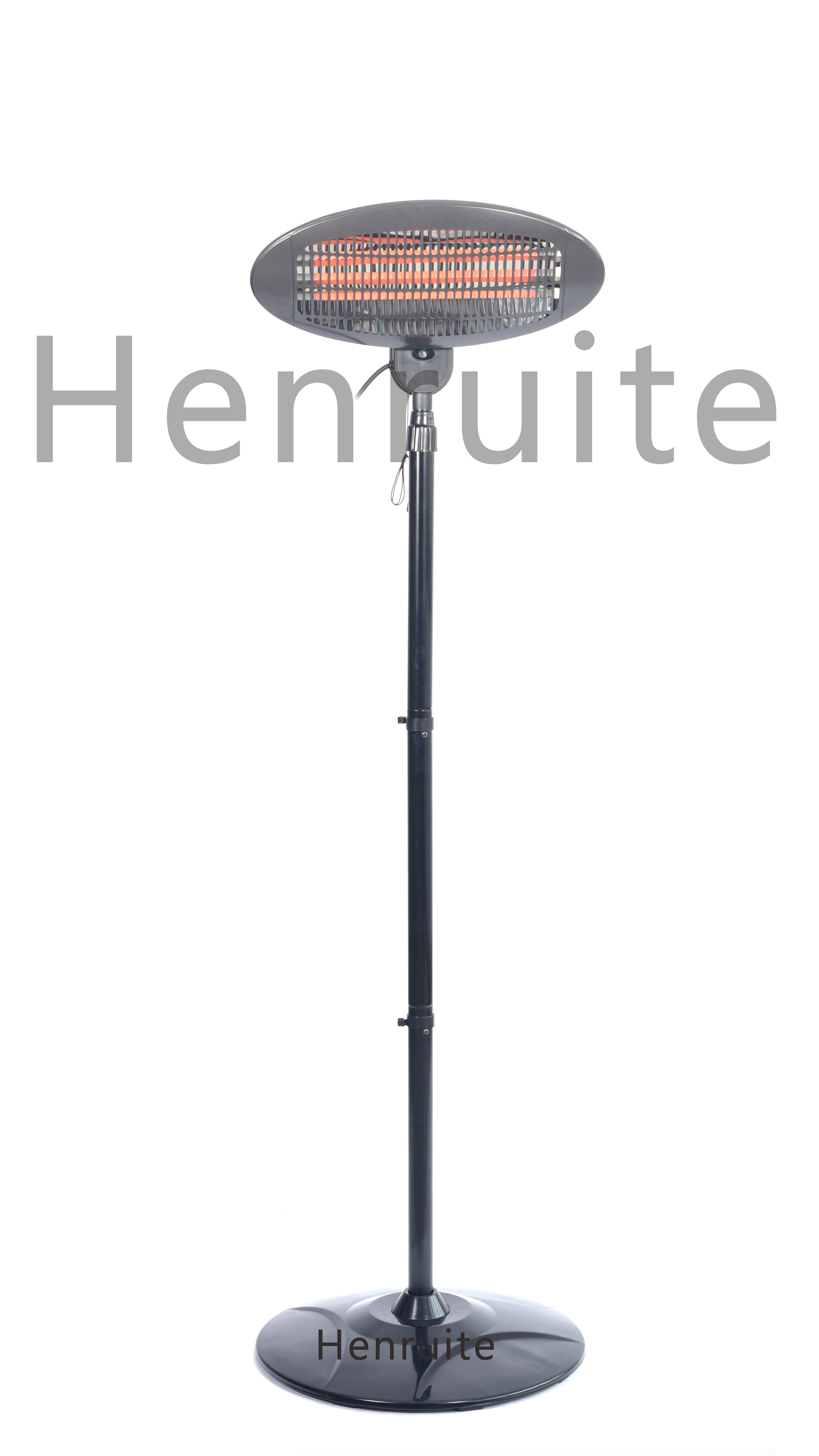
Why we’re switching to waterproof infrared for bathrooms
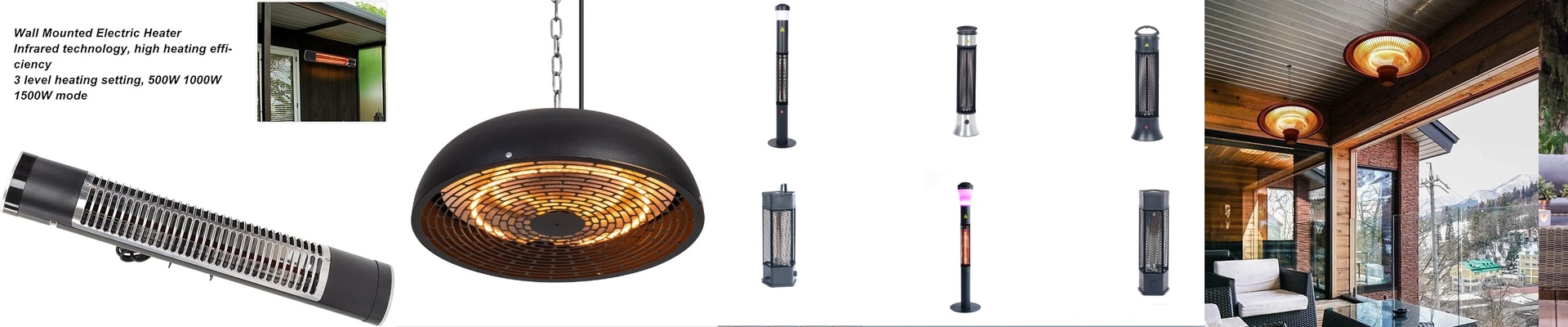
I’ve noticed a real shift in how people are spec-ing out their bathrooms lately. Those old-school lamp heaters? They’re disappearing. People are moving toward high-standard waterproof infrared units, and for good reason. It all comes down to how moisture behaves and how heat actually moves. The battle against steam Bathrooms are brutal on electronics. You’ve got thick steam and the occasional direct splash. Most standard heaters just can’t handle it; once moisture hits the electrical contacts or the heating element, it’s over. That’s why we build these units with a high IP rating. Basically, we seal the guts of the machine so water vapor can’t get inside. It keeps the filaments from burning out and stops the whole thing from short-circuiting. But there’s a catch—if that seal ever breaks, the unit is toast. Warmth you can actually feel Here is the thing about traditional heaters: they try to warm up the air. But if you have a drafty bathroom, that warmth vanishes the second you crack the door open. Infrared is different. It doesn’t mess with the air; it sends out waves that heat up you—your skin, the floor, the walls. It’s an instant feeling of warmth. You don’t have to stand around waiting for the room to “warm up” before you step out of the shower. A quick heads-up on the wiring These units pack a lot of heat into a small space, which is great, but they’re hungry for power. You can’t just plug these into any random old circuit. Because these lamps pull a lot of current, you’ve got to make sure your wiring gauge and breakers can actually handle the load. Otherwise, you’ll be tripping your power every time you want a warm morning. Setting them up We mount these in the ceiling. It keeps the heat source out of the way while letting the warmth spread across the room. Now, because they’re sealed tight for waterproofing, they aren’t exactly “DIY-friendly” for repairs. If a component fails, you can’t really tinker with the internal wiring. You usually just replace the whole module. It’s a trade-off, sure, but it’s the only way to get a unit that can take a beating in a humid bathroom and keep on working.