Getting Low-E Glass Preheating Right (Even When It’s Massive)
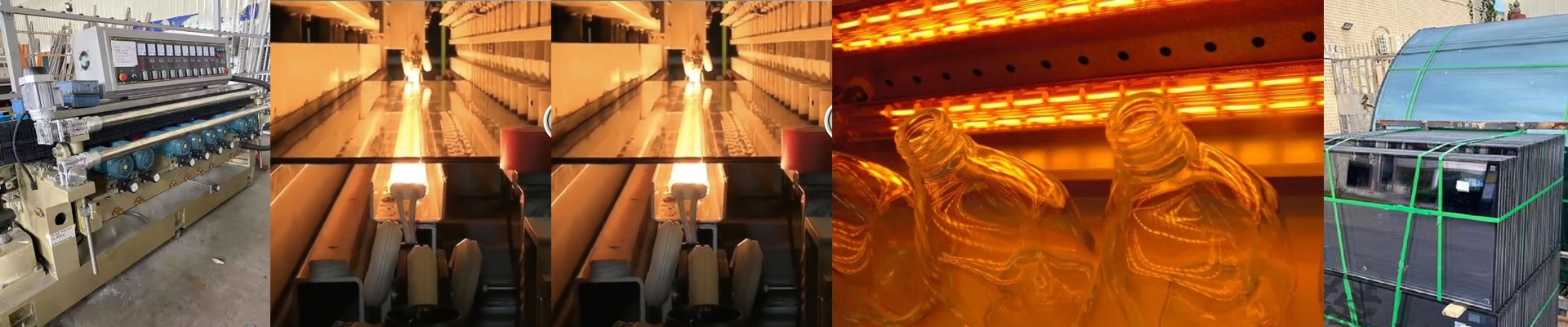
If you’re trying to preheat wide-format Low-E glass, you know the struggle. You need the heat to be exactly the same across the whole width of the conveyor. Simple enough, right? Well, not when you’re dealing with widths over 3 meters. That’s where the standard, off-the-shelf lamps just stop working. You end up with “cold spots” in your heating tunnels that ruin your consistency. We build custom continuous infrared units specifically to kill those cold spots once and for all. The 3-Meter Headache Scaling a heating element to over 3 meters is a nightmare if you don’t do it right. You’ve got voltage drops and thermal expansion fighting you. We don’t just take a standard tube and stretch it out. That’s a recipe for disaster. Instead, we obsess over the wattage and voltage. We calculate the exact ohms per centimeter so the heat stays uniform from the center all the way to the edges. It stops those annoying situations where the ends of the lamp are burning out while the middle is barely warm. What’s Under the Hood We use heavy-wall quartz tubing. Why? Because at these lengths, the mechanical stress is real, and the glass needs to hold up. For Low-E jobs, we usually go with short-wave infrared emitters. They hit the glass surface fast. This means your glass spends less time sitting in the tunnel, which keeps things moving. Then there’s the wiring. This is usually where the cheap setups fall apart. We use reinforced connectors and high-temp lead wires that won’t melt the second the unit hits peak temperature. Depending on how your power grid is set up, we can do these as one long run or a series of modular arrays. A Few Things to Watch Out For Here’s the honest truth: these ultra-wide lamps pull a lot of power. If you’re running a 3-meter array, check your electrical panel. Your contactors and breakers need to be ready for that initial high inrush current, or you’ll be flipping switches all day. Also, keep an eye on your vibrations. The bigger the lamp, the more fragile it feels. If your conveyor shakes, those lamps will snap. We mount them in rigid, dampened frames to keep them safe. Keep the vibration down, and the heat steady, and you’re golden.