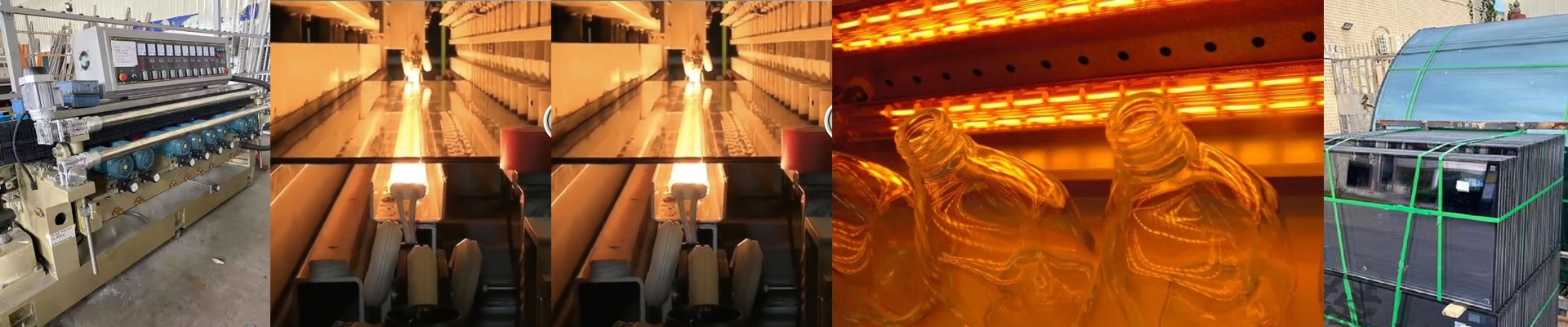
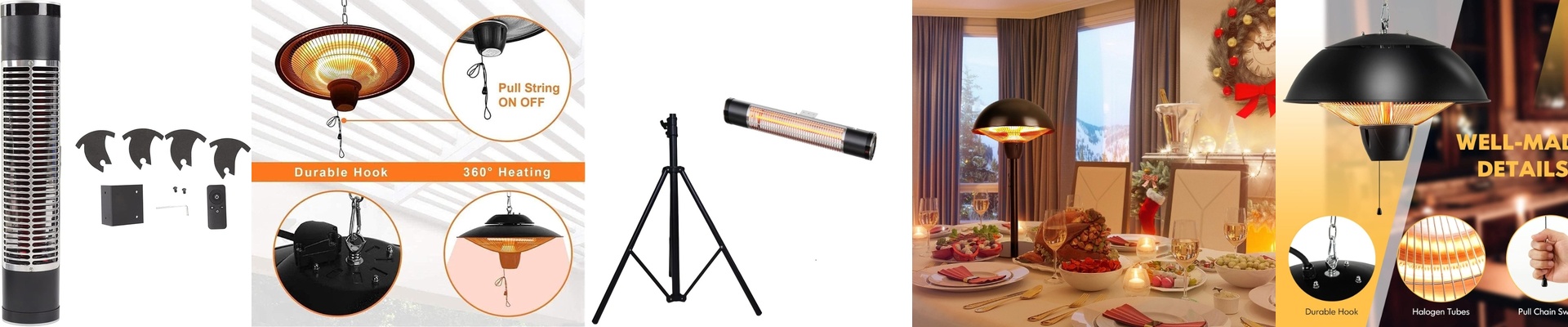
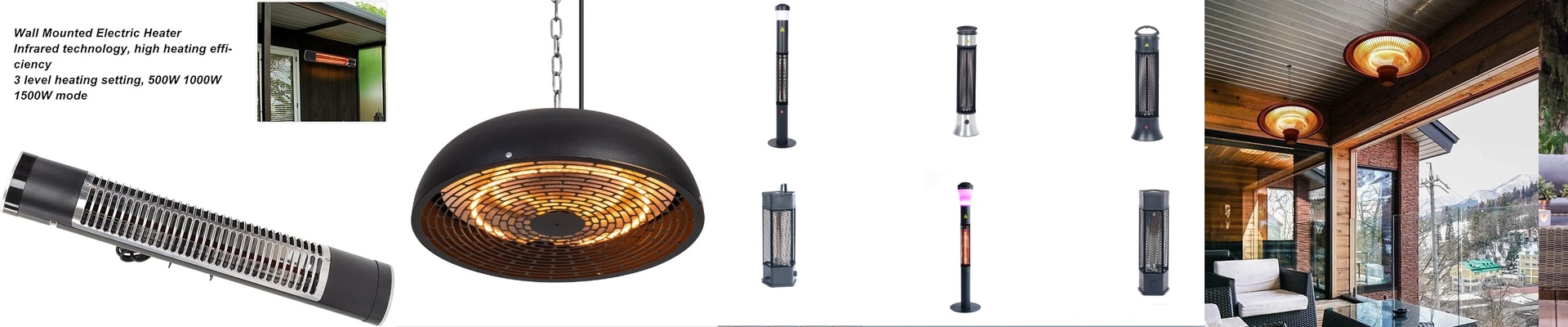
Stop Fighting Your Power Grid When Preheating Glass
If you’ve ever moved glass equipment across borders, you know the real nightmare isn’t the machinery itself. It’s the power. One day you’re dealing with 110V, the next it’s 480V or 575V, depending on whether your plant is in North America, Europe, or Asia. It’s a massive headache that can bring a whole production line to a grinding halt.
Why the numbers actually matter
Voltage isn’t just some boring detail on a spec sheet. It changes everything about how the lamp behaves—specifically the current draw and how thick that tungsten filament needs to be. Think about it this way: if you plug a 110V lamp into a 480V circuit, it’s gone. Poof. Burned out in a heartbeat. But if you go the other way and run a high-voltage lamp on a low-voltage line, it’ll never even get hot enough to soften the glass. You’re just wasting electricity. That’s why we build our infrared lamps to match your local grid exactly. We tweak the length and diameter of the filament so you get the wattage you need, regardless of what’s coming out of the wall. The best part? You get a drop-in replacement. No more dragging in those massive, clunky external transformers that eat up all your precious floor space.
The tricky bits
Getting the voltage right is a huge win, but it’s only half the job. You also need the right footprint and connectors. If the lamp doesn’t fit perfectly, it’ll rattle during high-speed runs. And nobody wants to deal with a loose lamp in the middle of a shift. We handle all the different specs so they fit right into your existing jigs. One quick heads-up: when you push higher wattage through 480V or 575V systems, the ends of the lamp get seriously hot. Make sure your housing is vented. If your cooling fans aren’t up to the task, you’re going to kill your lamps a lot faster than you should.
Making it work on the floor
When you’re doing rapid preheating, you need to ramp up fast. By offering global voltage options, you can keep your machinery design the same everywhere in the world and just swap the heating elements to fit the local site. It makes the wiring on the shop floor way simpler. No complex power conditioning, no guesswork. Just plug it in and get to work.