

Why Shortwave IR is the Secret to Better Glass Annealing
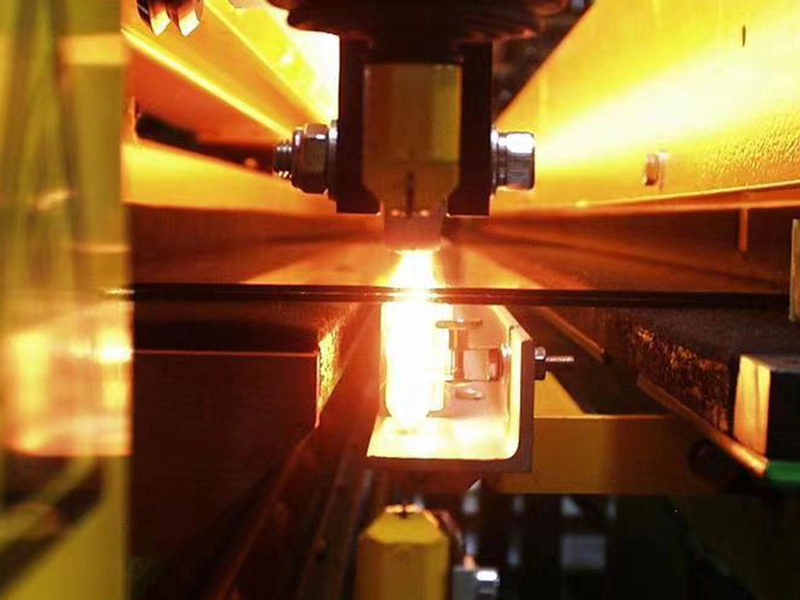
If you’re running a glass production line, you know the pain of the “lag.” Traditional convection ovens are slow. They take forever to warm up, and in a fast-moving plant, that waiting game is a killer. If you want to keep things moving without stressing the glass, you need heat that hits the target now. That’s where shortwave infrared (SWIR) lamps come in. Instead of trying to heat up the air around the glass, they beam energy directly into the material. It’s a completely different feel. Speed and Control Most heaters take minutes to get going. Ours? They hit full power in seconds. This is a huge win for your workflow. It means you can actually control your zones with precision. If you decide to speed up the conveyor, you don’t have to panic or slow down the whole line. You just crank up the wattage, maintain that soak temperature, and keep the glass moving. It’s a much smoother way to work. The Nitty-Gritty Stuff We don’t cut corners on the build. We use high-purity quartz envelopes because, frankly, annealing temperatures are brutal. To keep the filaments from burning out too fast, we use a halogen cycle. It keeps the lamps alive longer, even when they’re running 24/7. We also offer a few different connectors, like R7s or SK15. Why? Because in a vibrating factory environment, a loose connection is a recipe for disaster. You want a fit that’s rock solid. But here is a heads-up: you have to be smart about your cooling. High-wattage lamps are great for thick glass, but they put a lot of stress on your housing and reflectors. If your cooling fans aren’t up to the task, you’re going to end up with warped holders or fried wiring. It’s all about that balance. Making Your Life Easier Switching from old heaters to IR lamps usually changes a clunky batch process into a steady, continuous flow. It saves space on the floor and stops you from wasting energy heating air you don’t need. The best part? These lamps usually slide right into your existing setup. You’ll notice your thermal tolerances tighten up, and you’ll stop seeing so much scrap from thermal shock. Less waste. Less stress. Just better glass.