Stop Wasting Power on Your Glass Annealing Lines
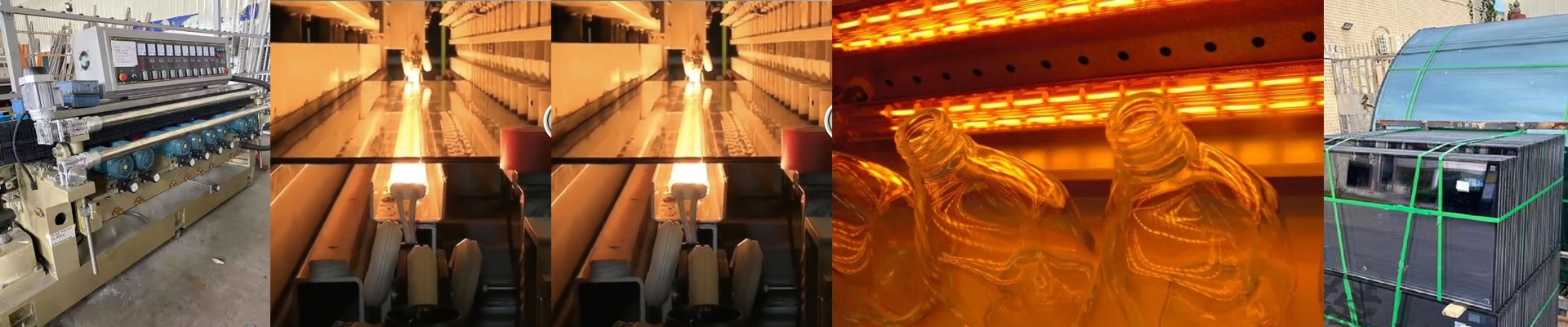
Let’s be honest: annealing lines are absolute energy hogs. Most shops I talk to are just accepting the massive heat loss and those agonizingly slow ramp-up times as “part of the business.” But that just means your power bill is bloated for no reason. We took a different approach. Instead of heating up all the air in the room, our infrared lamps target the glass surface directly. It’s cleaner, faster, and way more efficient. Getting the heat where it actually belongs If you want to hit those annealing temperatures without taking up more floor space, you need heat density. We build our tubes to pump out concentrated short-wave radiation. The result? The heat actually penetrates the glass faster. You can tweak the wattage and voltage to fit whatever power rails you’re already running. Just a heads-up: if you cram too much wattage into a short tube, you’re putting a lot of stress on the quartz. Make sure your cooling fans are actually doing their job, or you’ll be replacing burnt-out lamp ends way too often. The science bit (made simple) We use high-purity quartz because it lets the IR transmission through without fighting it. But it’s not just about the material. By messing with the tungsten filament and the halogen gas fill, we shift the emission peak to match how glass actually absorbs heat. Basically, more energy goes into your product and less of it bounces off the walls. And don’t worry about a massive teardown. We use standard industrial connectors, so these are just drop-in replacements for your old heaters. You won’t have to rewire your entire rack. What this actually does for your shop The first thing you’ll notice is the lag disappearing. You hit your target temperature way faster. Plus, you get a much tighter grip on the cooling curve. That means less internal stress in the glass and fewer rejects. Now, I won’t lie—quartz lamps cost more upfront than those basic resistive elements. But when you look at the kWh you’re saving per unit, the lamps usually pay for themselves within the first year. One last tip: since IR responds so quickly, double-check that your PID controllers are calibrated. They’ll need to keep up with the speed.