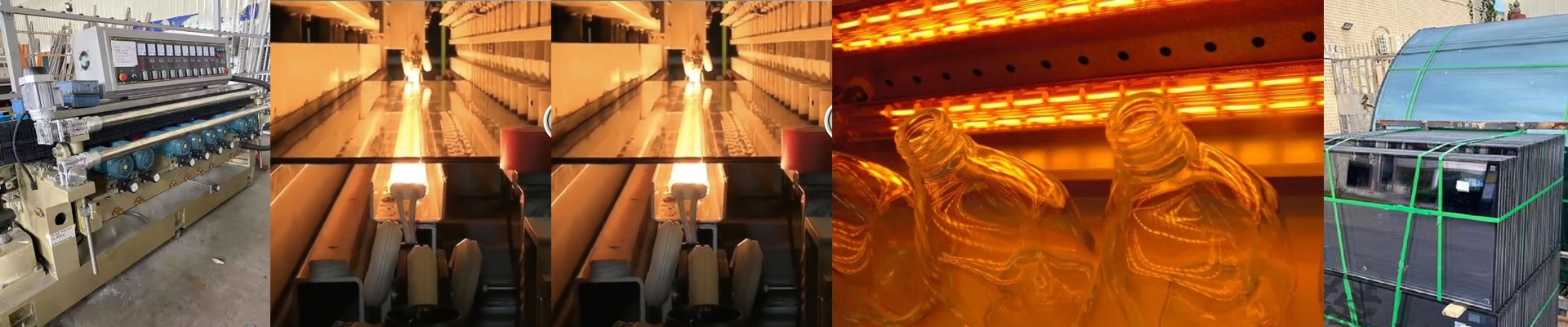
How to Stop Your Glass from Cracking During Tempering
Working with glass is always a bit of a tightrope walk. You need to get it hot fast to keep the line moving, but if you’re too aggressive, the glass just snaps. It’s frustrating. You’re either losing time or losing product. That’s where single tube shortwave IR lamps come in. They let us do something we call “instant tempering” because they respond almost immediately.
Why speed actually matters
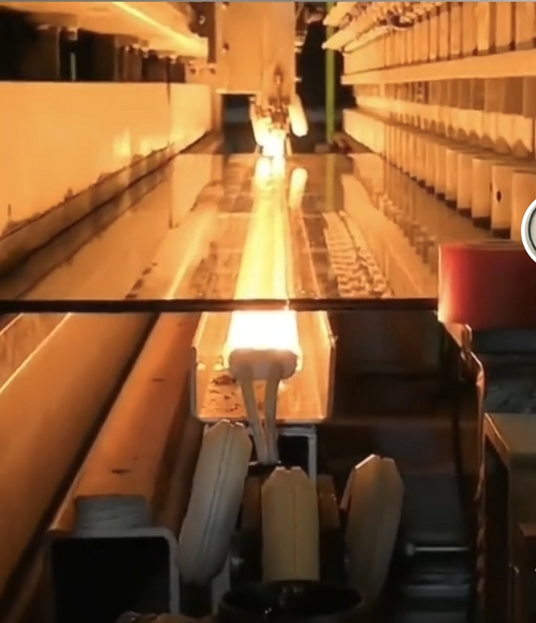
Here is the thing about these lamps: they have almost no thermal mass. Think about a traditional heating element—it takes forever to warm up and even longer to cool down. These IR tubes? They hit full power in milliseconds. When you pair them with a fast-switching power controller or an SCR, you can basically “dial in” the heat in real-time. Instead of hitting the glass with a hammer of heat, you can ramp it up in stages. This keeps the temperature steady across the piece and stops those nasty thermal shocks from ruining your batch.
The catch (and how to handle it)
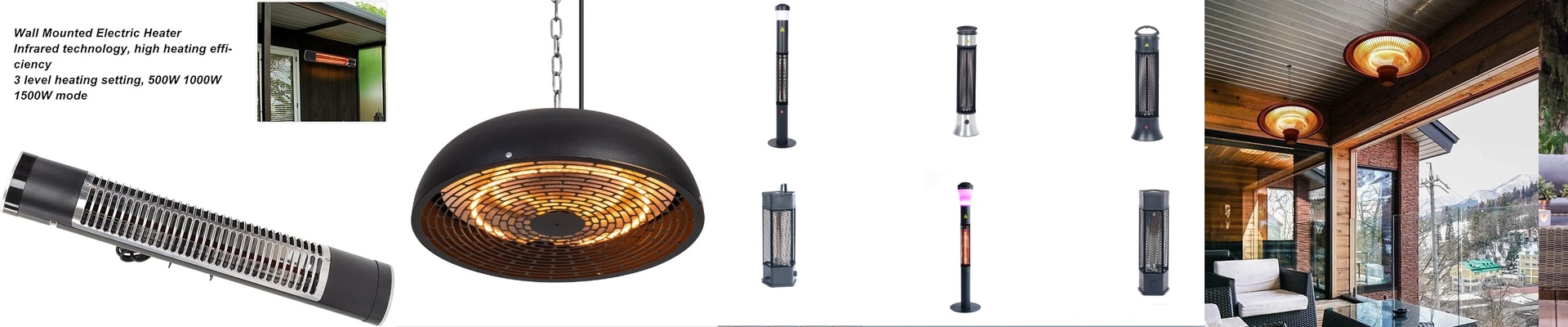
Now, to get enough heat for tempering, we usually pack a lot of wattage into a very short tube. It works great, but it puts a ton of stress on the lamp ends. If you want these tubes to actually last, you have to stay on top of the basics. Keep your reflectors spotless and make sure your cooling fans are actually humming. If you ignore the cooling, those electrodes will burn out way faster than they should.
Getting it right on the floor
When you’re actually installing these on the line, pay close attention to the gap between the tube and the glass. Shortwave radiation is very directional. If the lamp is too close, you’ll get “hot spots.” Those spots create internal stress, and that’s exactly what we’re trying to avoid. A little bit of calibration on that distance goes a long way in making sure the heat penetrates the glass evenly. One last tip: the faster your power adjustments are, the less scrap you’ll see in the bin. Just keep an eye on your electrical setup. These high-wattage tubes pull a lot of juice. Make sure your cabling can handle the peak current, or you’ll deal with voltage drops that mess up your whole heating profile.