Stop the Shatter: Getting Glass Annealing Right
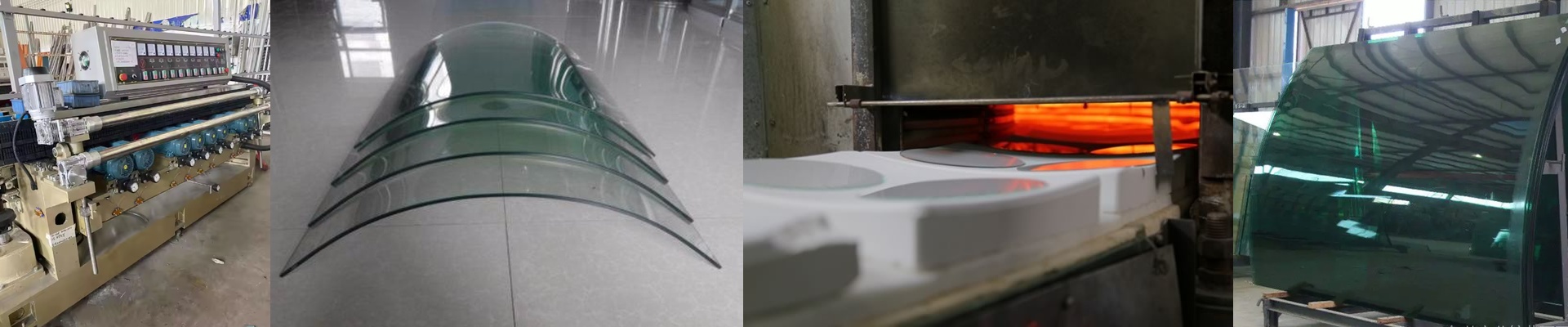
If you’ve ever spent hours fabricating lab-grade glass only to have it spontaneously shatter, you know the frustration. It’s usually because of internal stress. When your temperature swings too much during annealing, you’re basically building structural weak points right into the glass. That’s why we use high-precision infrared elements in our CNC cutters and ovens. We need to keep that glass in a very tight thermal window, or the whole piece is a gamble.
Why 0.1°C Actually Matters
Glass is finicky. It doesn’t just react to heat in a straight line. There’s this tiny, narrow sweet spot—the annealing point. You need the glass soft enough to let those internal stresses relax, but firm enough that it doesn’t just slump into a puddle. If your heater overshoots by a few degrees, the shape is ruined. If it drops too fast? You’ve just locked in the stress. We aim for a 0.1°C tolerance. That’s not just a number to look good on a spec sheet. It’s about making sure your glass doesn’t crack while it’s cooling. You need a heater that listens to the PID controller instantly. No lagging. No hesitation.
The Trick to Thermal Control
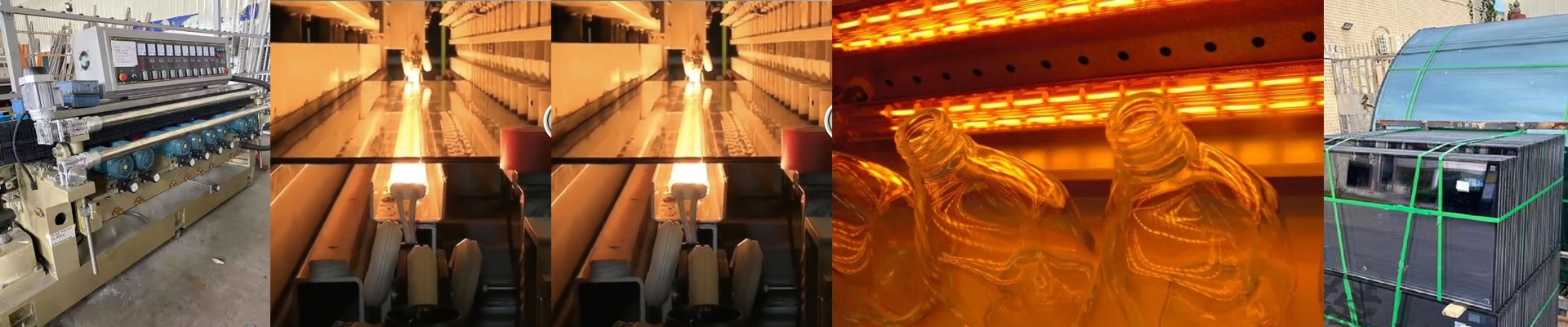
Shortwave infrared is great because it punches through the surface. Instead of just heating the “skin” of the glass, it warms the bulk of the material. To keep things steady, we use high-frequency switching. It stops that annoying “hunting” effect you get with those cheap resistive heaters that constantly overcorrect. But here’s the thing: you can’t just crank the lamps to 100%. If you max out the wattage, you have no room to move. We usually run them at 60-70% capacity. This leaves some “headroom” so the controller can make those tiny micro-adjustments. It’s the only way to actually hit that level of precision.
Real-World Setup
When you’re wiring this into a CNC rig, don’t skip the shielded cabling. If you don’t, the EMI from your servo motors will mess with your temperature readings, and you’ll be flying blind. A few other tips from the shop floor:
- Use high-temp quartz sleeves. They keep the elements safe from chemical vapors and stray glass shards.
- Get your thermocouple placement exactly right. If the probe is too far from the heat source, that 0.1°C precision doesn’t mean a thing. It’s a simple drop-in replacement for standard heaters, but the placement is where the magic happens.