Getting the Heat Right: Why Custom Power Density Matters for Glass Molding
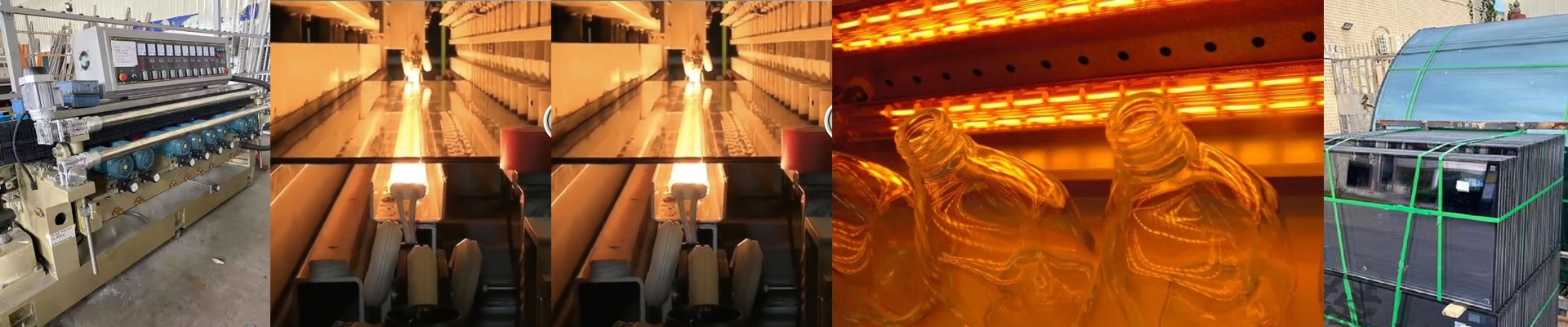
Most heating lamps are pretty basic. You get a set wattage, a fixed length, and that’s it. But if you’re in the middle of glass R&D, “basic” just doesn’t cut it. When you’re messing around with new glass compositions, the real battle is how the heat actually hits the surface. If the power density is off, your sample isn’t going to mold—it’s just going to crack from thermal shock. And that’s a frustrating way to waste a day. Designing the Heat Profile We don’t just look at the size of the lamp and call it a day. We actually play around with the wattage per centimeter across the whole length. By tweaking how the filament is wound and how the voltage moves through the tube, we can create “hot zones” and “buffer zones.” It’s a huge advantage. You can blast the center of a glass preform with 20W/cm while keeping the ends at a gentle 5W/cm. No more flashing. No more overheating the edges. The Hardware Side of Things To make this work, we use high-purity quartz and some specific coatings to shift the emission spectrum. We lean into short-wave infrared (SWIR) because it sinks deeper into the glass. This means you hit that working point way faster. One heads-up, though: pushing that much power into a small space creates a lot of ambient heat. You can use standard industrial connectors, but make sure your cooling fans or water jackets can actually handle the BTUs. If they can’t, your control electronics are going to fry. More Room to Experiment The best part about custom power profiles is the freedom they give you. Usually, if you have a cold spot, you’d have to redesign your entire mold. That’s a nightmare. With these lamps, you just change the heat distribution instead. It turns your heating element into a variable you can actually control. We’ll give you the raw data on the output curves so you can map the heat directly to your material’s viscosity. It takes the guesswork out of the process. Instead of endless trial and error with a new formula, you can actually dial it in.