Getting the Heat Right for Glass Bead Annealing
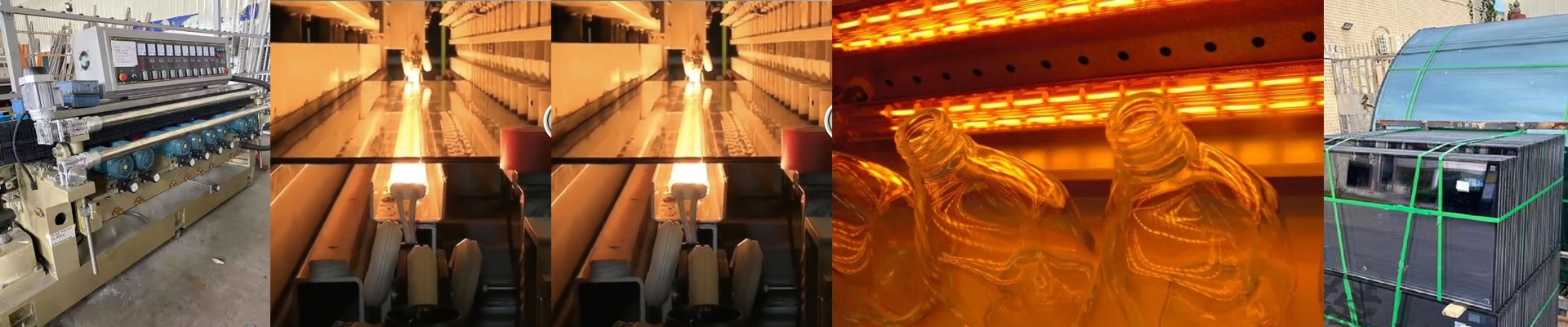
If you’re working with specialty glass, you’ve probably noticed that standard infrared heaters just don’t always do the trick. Especially when you start adding rare-earth dopants or other additives into the mix, a “one size fits all” heater usually leaves you frustrated. The secret is in the spectrum. We don’t just throw heat at the glass; we tune the light to match exactly what your material wants to soak up.
Hitting the Sweet Spot
Here’s the thing: glass isn’t a sponge for heat. It’s picky. Every single additive you put in your glass shifts how it absorbs energy. If your heater is humming along at one frequency but your glass is looking for another, most of that energy just bounces right off the surface. It’s a waste of power. We figure out whether you need short-wave or medium-wave infrared to hit that specific “absorption peak.” When the wavelengths align, the heat actually sinks into the core of the bead. No more scorching the outside while the inside stays cold.
The Trade-offs (The Honest Part)
Now, getting this kind of precision usually means we have to tweak the filament or add special coatings to the quartz envelope. It makes the energy transfer way more efficient, but it does come with a catch. A highly tuned, narrow-band emitter can run hotter at the filament. Because of that, you can’t ignore your cooling. You’ll want to make sure your fans and housing are up to the task, otherwise, you risk burning out the seals on the lamp ends.
Why It Actually Matters
When the spectrum matches, you stop playing the “voltage game.” You don’t have to crank the power to 11 just to force the glass to get warm. Instead, you get a smooth, even temperature across the whole bead. That’s a huge deal because it kills the internal stress that usually leads to cracks during cooling. Plus, your cycle times get faster. You stop guessing, stop wasting material, and just… get it right. It turns a stressful process into something you can actually predict.