Squeezing High-Power Heat into Tiny Glass Repair Brackets
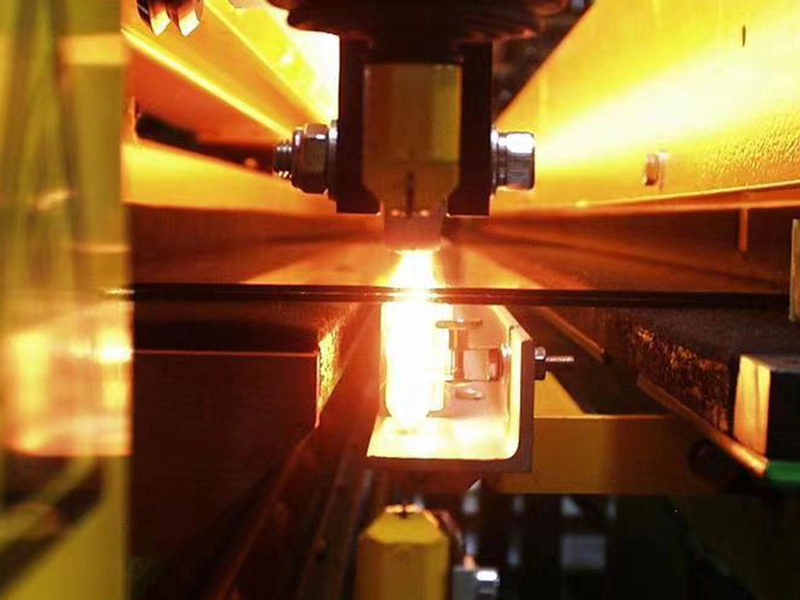
Trying to fit a high-performance heater into a mobile glass repair bracket is basically a game of Tetris. You’ve got almost no room to work with and limited power, so you can’t just throw in a bulky heating bank and hope for the best. That’s why we use shortwave infrared (IR) lamps. They let us pack a ton of thermal energy into a tiny space.
The Struggle with Power and Space
When you’re working on a mobile setup, you aren’t plugged into a massive industrial power grid. You’ve got to be smart. To get the glass hot enough for nip roller preheating without taking up half the workbench, it’s all aboutheat density. We use quartz-halogen elements because they let us cram high wattage into a very short tube. The result? The lamp hits the target temperature in seconds. It’s a massive punch of heat, but in a fraction of the usual size.
The Nitty-Gritty Hardware
To make this actually work, you have to be picky about the parts. We use slim-profile quartz envelopes and compact connectors to keep everything tight. The trick is getting that IR source as close to the glass as possible. If there’s too much gap, you’re just heating up the air in the room, which is a waste of time. One thing to watch out for: mobile power supplies can be moody. If your voltage jumps around, your heat output will too. To keep your lamps from popping or burning out during a spike, I’d suggest a stable DC-to-AC inverter or a dedicated PID controller. It just keeps things steady.
The Catch: Managing the Heat
Here’s the thing. When you put that much heat in a small box, the box starts to feel it. The IR hits the glass efficiently, but the bracket housing takes a beating. If you just leave it as is, you’re looking at a warped frame or a fried control board. It’s not a pretty sight. To stop that from happening, you’ll need a solid heat shield or a small cooling fan to keep the electronics breathing. A little bit of airflow goes a long way in keeping the whole rig from melting down.