
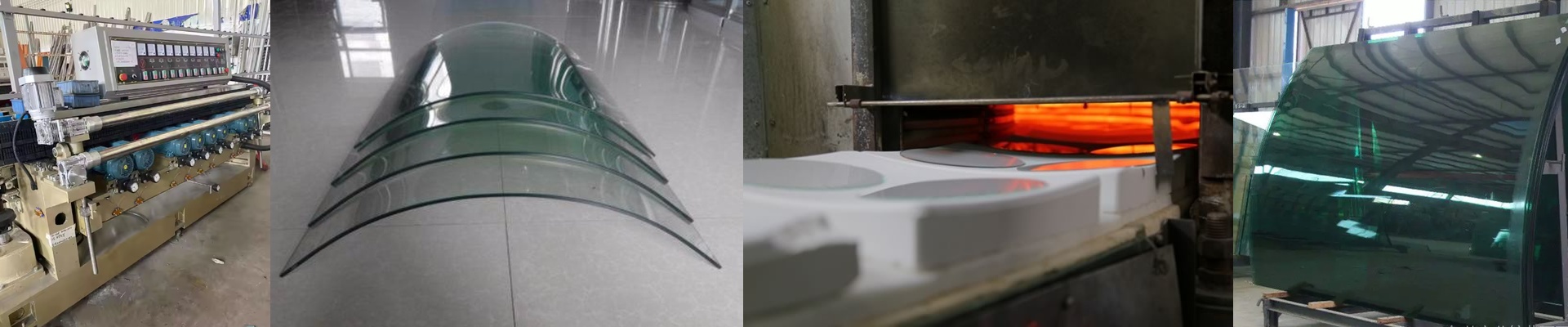
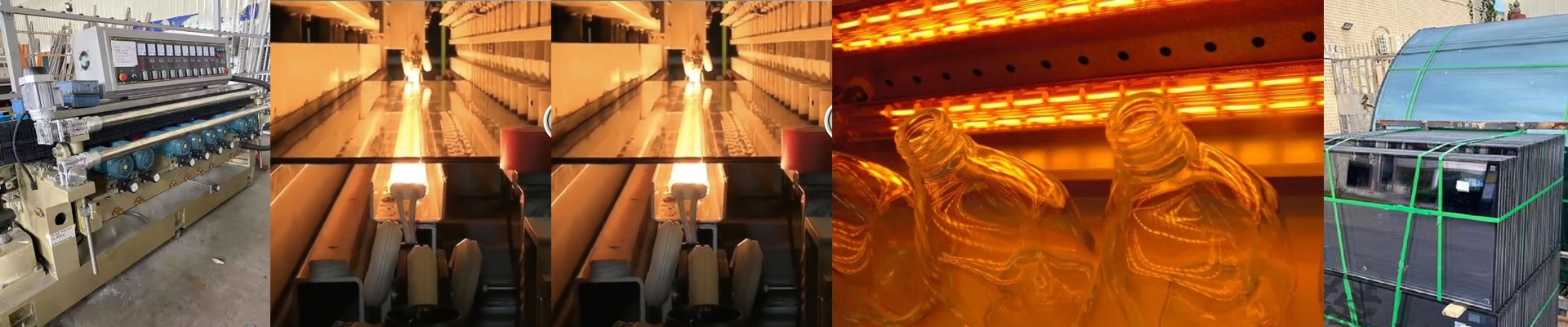
Cutting ultra-thick glass is a nightmare for your equipment. If you’ve ever tried to score a cold, heavy slab, you know the feeling—the material just fights back. It puts an incredible amount of stress on those diamond cutter wheels, which usually ends with the wheel chipping or burning out way sooner than it should. We found a better way. Instead of forcing the blade through cold glass, we use high-penetration infrared (IR) heating lamps to soften the glass right where the cut is happening. How it actually works Most heaters just warm up the surface, which doesn’t do much for a thick piece of glass. That’s why we use shortwave IR. Instead of bouncing off the top, this heat actually sinks deep into the glass. It targets the exact line you’re about to score. By bringing the glass closer to its softening point, the material stops fighting the blade. The wheel just glides through. It’s a much smoother process, and your tools aren’t taking a beating every time you start a new piece. Getting the setup right We use lamps with high power density so the heat can keep up with the cutting head as it moves. Now, you aren’t trying to melt the glass—that would ruin your edge—you’re just easing the internal tension. The trick is the distance. If the lamp is too far away, the heat doesn’t penetrate. Too close, and you risk thermal shock, which leads to cracks you didn’t want. The best bet is to mount the lamps directly onto the cutting carriage. That keeps the heat consistent across the whole path. A few things to watch out for These lamps get hot. Really hot. You can’t just plug them in and forget about them. You’ll need active cooling or some serious shielding, otherwise, you’re going to fry the electronics in your cutting head. And keep an eye on your speed. If the operator slows down too much, the heat soaks into a wider area. When you go to snap the glass, you’ll end up with jagged, messy breaks. It’s all about finding that sweet spot between your feed rate and the lamp’s wattage.